
Bhagat Singh: 21 Powerful Quotes and the Ideas Behind Them
Who Was Bhagat Singh? Bhagat Singh (1907–1931) was one of the most prominent revolutionaries of India’s freedom movement. His political thought developed through extensive reading, debate, and engagement with revolutionary and socialist ideas. He became widely known for his activities with the Hindustan Socialist Republican Association (HSRA), the Central Legislative Assembly bombing of 1929 with…

Who Was Bhagat Singh?
Bhagat Singh (1907–1931) was one of the most prominent revolutionaries of India’s freedom movement. His political thought developed through extensive reading, debate, and engagement with revolutionary and socialist ideas. He became widely known for his activities with the Hindustan Socialist Republican Association (HSRA), the Central Legislative Assembly bombing of 1929 with Batukeshwar Dutt, his hunger strike in prison, and the Lahore Conspiracy Case.
Bhagat Singh was also a writer and political thinker. His writings addressed subjects such as revolution, colonialism, atheism, social change, and the responsibilities of young people. His essay Why I Am an Atheist, for example, provides direct evidence of his reasoning and intellectual outlook.
This article presents 21 original lines inspired by themes found in Bhagat Singh’s documented writings and legacy. They are not presented as verbatim quotations from Bhagat Singh. Where his actual words are discussed, the historical source is identified separately.
Table of Contents
Why Quotes Matter Today – Bhagat Singh’s Legacy in Every Line
1. Intellectual Curiosity
Bhagat Singh’s writings show that revolutionary politics was closely connected with reading, argument, and intellectual development. His essay Why I Am an Atheist demonstrates his willingness to examine deeply held beliefs through reason and argument.
2. Revolution and Social Change
For Bhagat Singh, revolution was connected to broader political and social transformation rather than simply an act of violence. His political writings provide important evidence for understanding how he viewed revolutionary change.
3. The Importance of Study
Bhagat Singh repeatedly emphasized intellectual preparation and study. His surviving political writings and correspondence show a young revolutionary who treated reading and political education as important parts of revolutionary work.
4. Sacrifice and Political Commitment
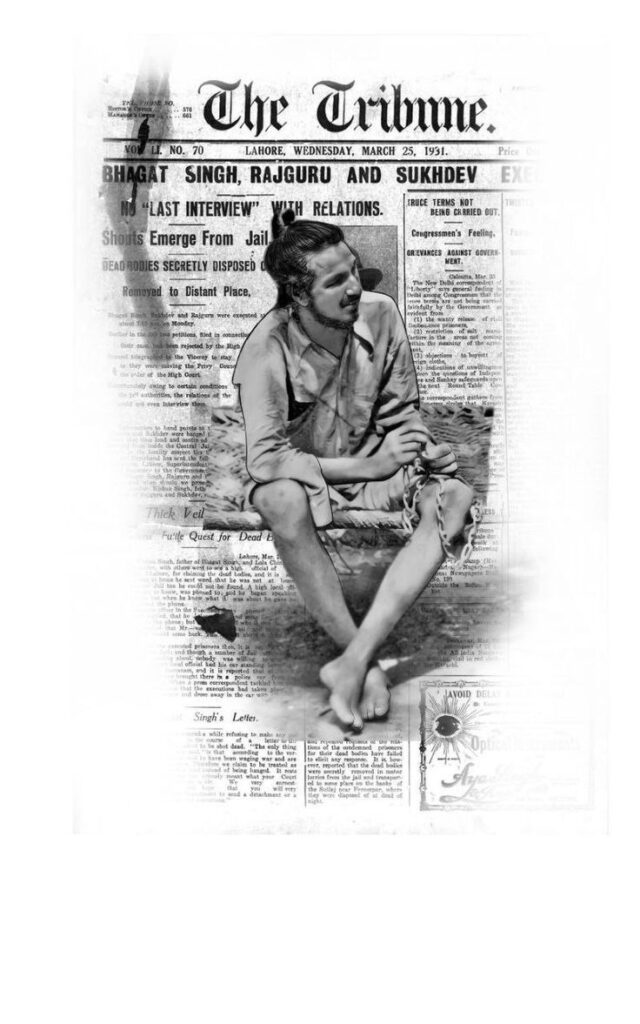
His imprisonment, hunger strike, trial, and execution became important parts of his public legacy. However, understanding Bhagat Singh requires looking beyond martyrdom and examining the political ideas expressed in his writings.
5. A Legacy Beyond Slogans
Bhagat Singh is often remembered through short slogans and quotations. His original writings provide a more detailed picture of his political and philosophical thinking. Reading those sources helps distinguish documented ideas from quotations that have been created or attributed to him later.
6. Why Bhagat Singh’s Words Still Matter
Bhagat Singh’s writings show that his revolutionary outlook was not limited to armed resistance. He also wrote about political freedom, social change, religion, education, and the responsibilities of individuals toward society.
Understanding his words in their historical context is important because quotations can easily be separated from the circumstances in which they were written or spoken. For this reason, the quotations below should be read alongside their original sources and historical background.

“Revolution is not chaos—it’s clarity in motion.”
Inspired by: Bhagat Singh believed that rebellion must be rooted in reason, not rage.
“A bullet may silence a voice, but it cannot erase an idea.”
Even after his execution, Bhagat singh ideology continued to inspire millions.
“Chains are not broken by strength—they’re shattered by conviction.”
Bhagat Singh taught us that belief is stronger than brute force.
“The loudest scream is the one spoken in silence.”
His hunger strike was a silent roar against injustice.
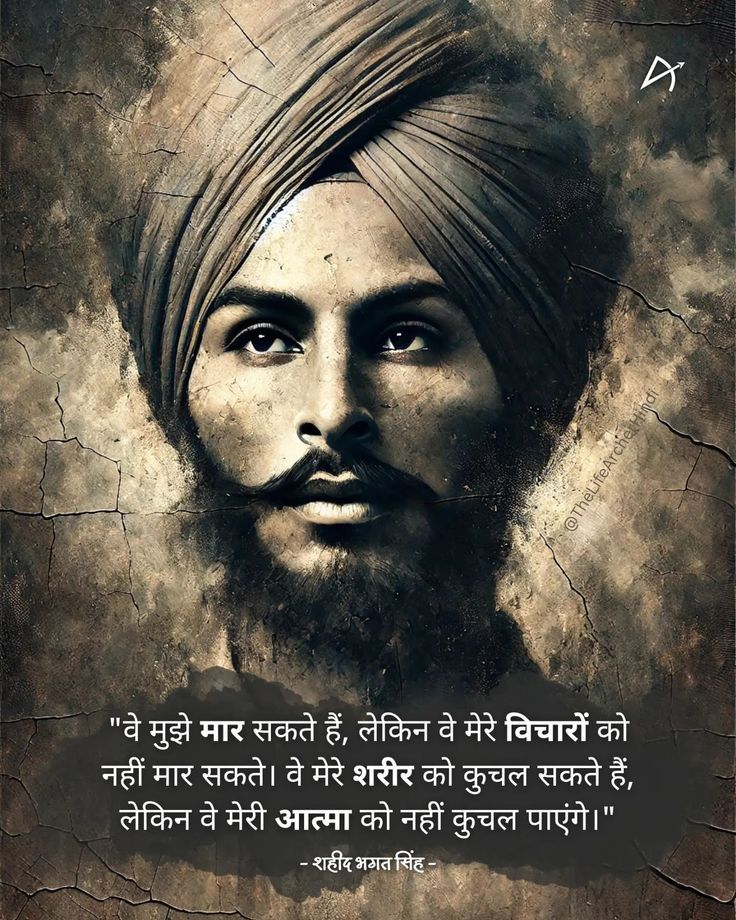
“Don’t wait for history to remember you—write it with your actions.”
Bhagat Singh didn’t seek fame—he created legacy.
“Fear is a prison disguised as caution.”
Bhagat Singh rejected fear in all its forms, choosing boldness over safety.
“The pen is not mightier than the sword—it’s the blueprint for it.”
He was both a writer and a warrior, shaping revolution with ink and fire.
“Rebellion is not born—it’s built, brick by brick, thought by thought.”
Bhagat Singh revolutionary spirit was forged through deep study and reflection.
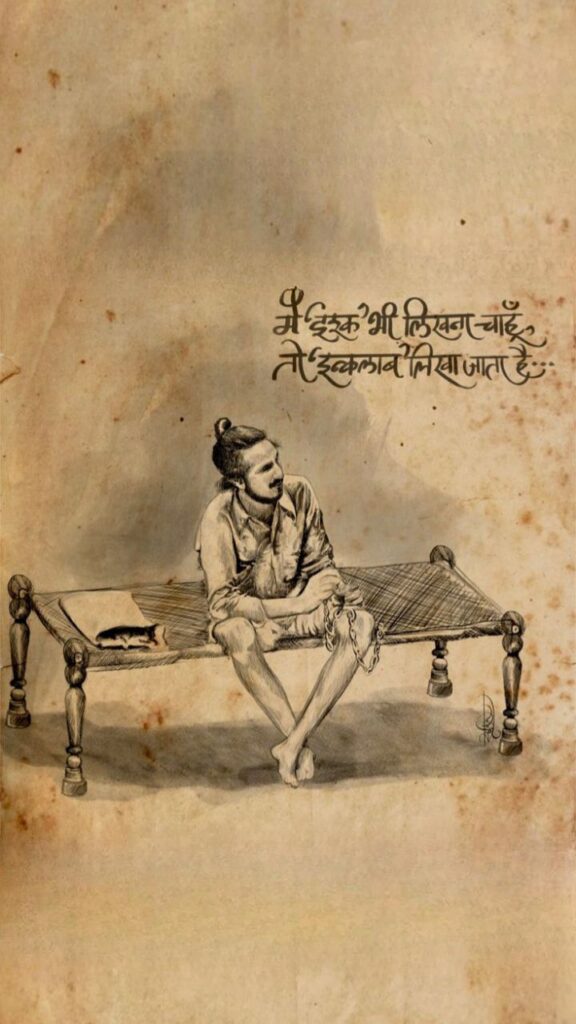
Bhagat Singh was a spark that became a wildfire of resistance."The nation doesn’t need followers—it needs flames."
His sacrifice amplified his message across generations."Martyrdom is not the end—it’s the beginning of a louder revolution."
“Truth doesn’t whisper—it roars when spoken by the brave.”
Bhagat Singh always chose truth over comfort.

“A rebel’s heart beats louder than a thousand speeches.”
He believed in action over rhetoric, and lived it every day.
Bhagat Singh’s fight was against the slow poison of colonial injustice."Justice delayed is rebellion invited."
“Ideas are bulletproof when carried by the fearless.”
His writings still ignite minds across the world.
“A rebel doesn’t break rules—he rewrites them.”
Bhagat Singh redefined patriotism and resistance.
“Silence is betrayal when injustice screams.”
He refused to stay silent in the face of oppression.
“Revolution is not anti-system—it’s pro-truth.”
Bhagat Singh believed in building a just society, not just tearing one down.
“Young minds should learn to question before they choose what to follow.”
Inspired by: Bhagat Singh’s emphasis on study, political awareness and critical thought.
““A questioning mind can challenge ideas that appear unquestionable.”
Inspired by: Bhagat Singh’s intellectual writings and emphasis on reason.
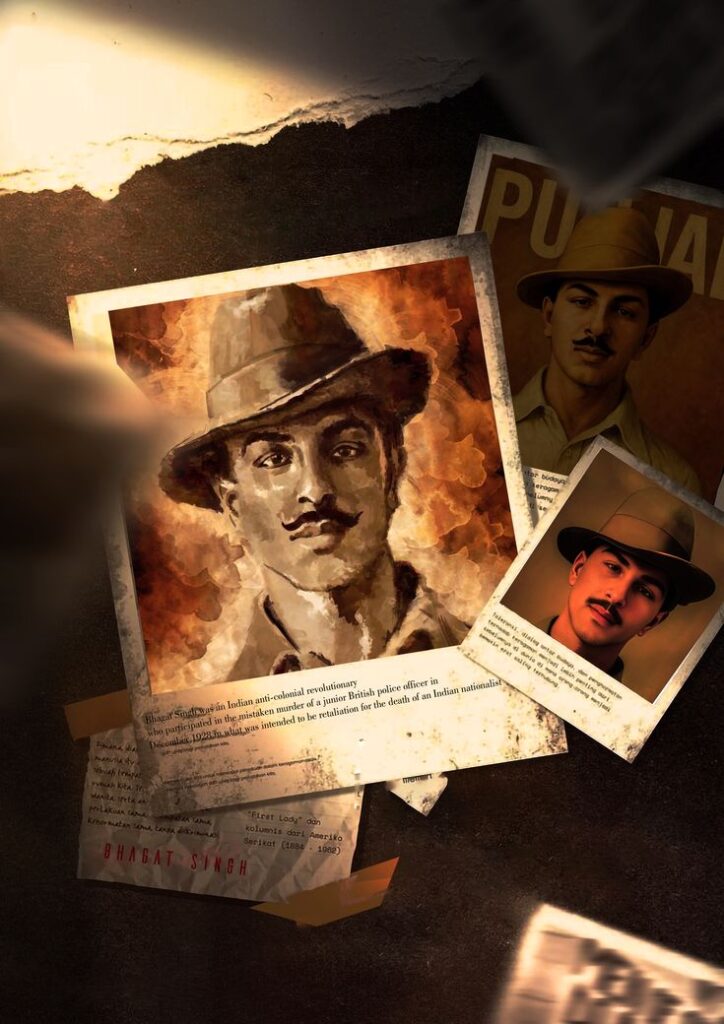
He didn’t wait for permission to act."Revolution doesn’t knock—it breaks the door."
His writings were as powerful as his sacrifice."The ink of truth stains deeper than blood."
“A rebel’s silence is louder than a tyrant’s shout.”
Bhagat Singh’s hunger strike spoke volumes without a word.
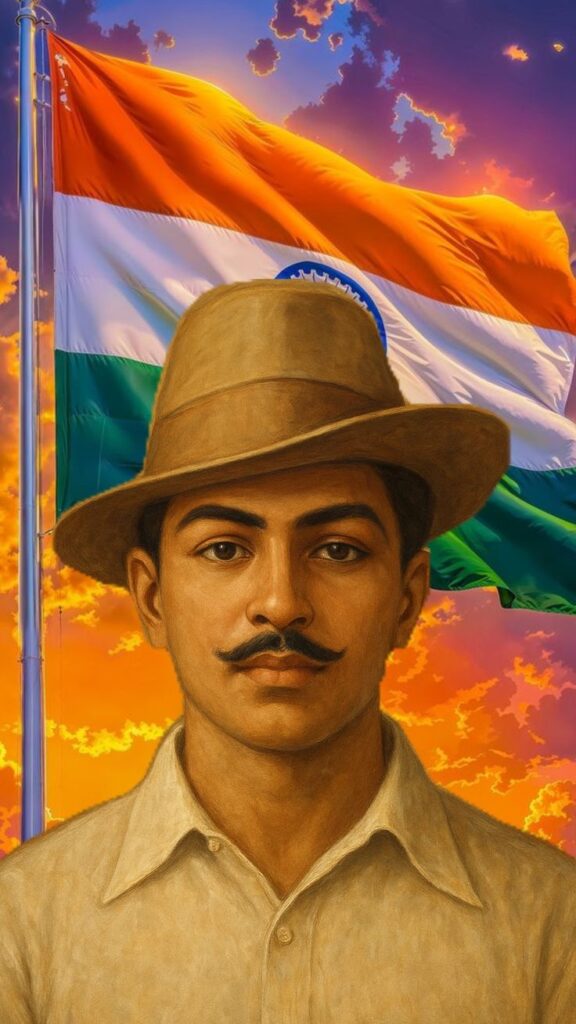
Conclusion: The Legacy That Lives Loud
1. The Flame That Refused to Flicker
Some names fade with time. Others become fire. Bhagat Singh wasn’t just a revolutionary—he was a spark that turned into a storm. His legacy didn’t end with a bullet; it began with one. Every quote inspired by him carries that flame forward, reminding us that courage isn’t a moment—it’s a mindset.
2. The Thinker Behind the Thunder
Before he picked up arms, he picked up ideas. Bhagat Singh was a philosopher of resistance, a student of justice, and a writer of rebellion. His thoughts were sharper than any weapon, and his clarity cut through the fog of colonial propaganda. He taught us that revolution begins in the mind long before it reaches the streets.
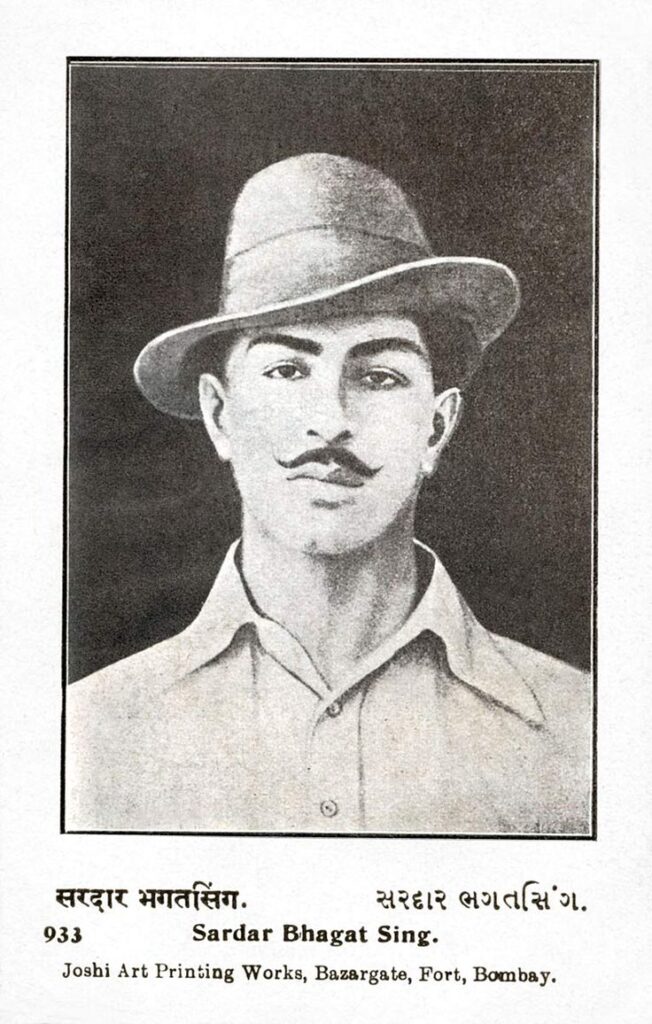
3. A Voice That Still Roars
His voice may have been silenced, but his message was amplified. Today, his words echo in classrooms, protests, podcasts, and captions. Bhagat Singh’s spirit lives in every creator who chooses truth over trend, every rebel who chooses purpose over popularity, and every citizen who refuses to bow.
4. A Blueprint for Boldness
He didn’t just fight—he taught us how to fight. Stand for truth. Question power. Act with purpose. That’s the blueprint. Bhagat Singh didn’t ask for freedom—he demanded it. He didn’t wait for change—he became it. His legacy is a manual for anyone building something bold, whether it’s a movement, a message, or a brand.
5. The Revolution Continues
This isn’t just history—it’s fuel. Every quote in this collection is a spark waiting to ignite a mind. Whether you’re scripting a reel, writing a blog, or speaking on a podcast, let the fire of Bhagat Singh guide your voice. Let his defiance shape your tone. Let his legacy live through your content.
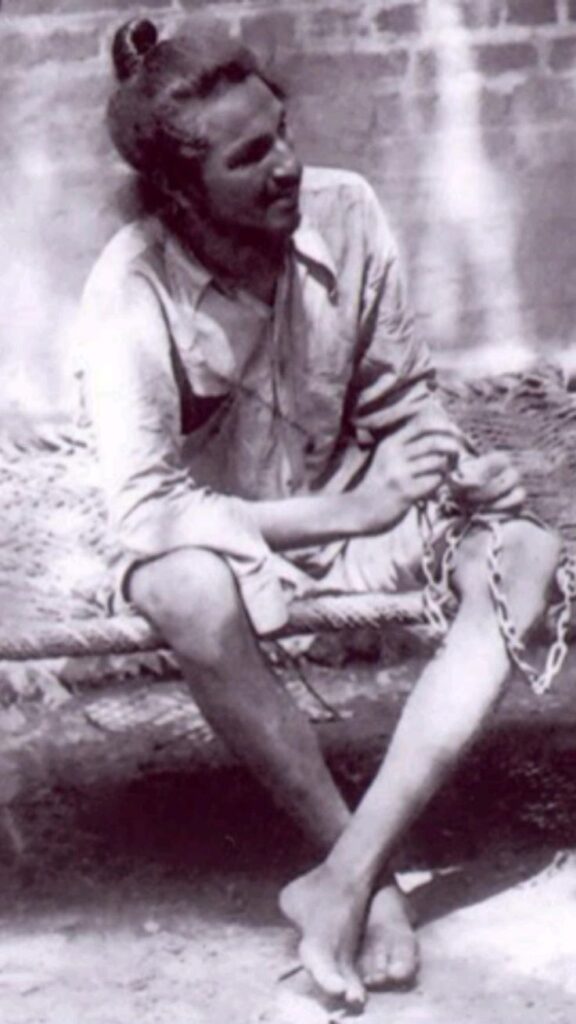
Author’s Perspective
I have always found Bhagat Singh’s story different from the way it is usually presented. We often remember him for his courage, his sacrifice, and the image of a young revolutionary. But while reading more about him, what stayed with me was his habit of questioning things and trying to understand the world around him.
What I find most interesting about Bhagat Singh is that he was not only willing to fight against British rule, but was also willing to question ideas within his own society. His writings show a side of him that is sometimes lost behind the popular image of the martyr.
While writing this article, I wanted to look at Bhagat Singh beyond the familiar slogans and popular quotes. Some of the lines shared online in his name are difficult to trace to a source, so I believe it is important to make that distinction clear. For me, respecting Bhagat Singh also means respecting what we can actually verify about his life and his thoughts.
That is the perspective from which I have written this article.
— Abhishek Chavan
Founder, Researcher & Writer — HistoryVerse7
Internal Links: 1.https://historyverse7.com/dr-apj-abdul-kalams/ 2.https://historyverse7.com/ashoka-quotes/ 3.https://historyverse7.com/chhatrapati-shivaji-maharaj/ 4.https://historyverse7.com/chanakya-quotes-on-wisdom-strategy-life-time/
External Links: 1.https://en.wikipedia.org/wiki/Bhagat_Singh 2.https://www.britannica.com/biography/Bhagat-Singh
📘 FAQ: Understanding Bhagat Singh Quotes
Who was Bhagat Singh?
Bhagat Singh was an Indian revolutionary and political thinker who became a prominent figure in the anti-colonial movement. He was executed on 23 March 1931 at the age of 23.
Are all 21 quotes in this article directly from Bhagat Singh?
No. The 21 lines in the main collection are original modern expressions inspired by themes associated with Bhagat Singh’s documented ideas and legacy. They are not presented as verbatim quotations from him.
Where can I find Bhagat Singh’s original writings?
Important writings include Why I Am an Atheist and various political letters and writings preserved in historical collections. Primary and scholarly sources should be consulted when verifying quotations.
Why are Bhagat Singh’s quotes so widely remembered?
His short life, revolutionary activities, writings, trial, and execution contributed to his enduring place in the history and memory of India’s freedom movement.
What were Bhagat Singh’s main ideas?
His writings addressed revolution, colonial rule, rationalism, social change, political education, and broader questions of society.
Did Bhagat Singh write about atheism?
Yes. His essay Why I Am an Atheist directly addresses his rejection of belief in God and explains the reasoning behind his position.
Sources & References
Primary Sources
- Bhagat Singh’s Why I Am an Atheist
- His political letters/writings
- Historical documents where available
Scholarly Sources
- Academic books
- Peer-reviewed research
- Scholarly editions of Bhagat Singh’s writings
Institutional Sources
- Archives
- Government publications
- Libraries / museums / recognised historical institutions
JSTOR वर Bhagat Singh यांच्या political writings चा scholarly collection उपलब्ध आहे, ज्यात letters आणि political documents समाविष्ट आहेत.
Share this content:
स्वातंत्रा साठी लढा देणारे क्रांतिकारी वीर शहीद भगतसिंग….23 मार्च ला फक्त स्टेटस ठेवायचं पण आज त्यांच्याबद्दल वाचायला भेटलं
खूपच छान माहिती पोस्ट केली आहात… धन्यवाद….💐👍
Effective & Knowledgeable Information 💯✨🚩