
📣 Why You Must Read This Now
Batukeshwar Dutt didn’t just make history—he challenged it.
His revolutionary acts weren’t footnotes. They were fire.
Yet, most textbooks barely mention him. That ends here.
“If courage had a quiet face, it was his.”
This blog uncovers 4 bold actions that deserve national recognition.
If you believe forgotten heroes deserve justice,
If you want to feel pride—not just read it—
Then this is your moment.
🔥 Introduction: Batukeshwar Dutt — The Silent Flame of India’s Freedom Struggle
In the grand narrative of India’s independence, some names echo loudly—Bhagat Singh, Subhas Chandra Bose, Mahatma Gandhi. But nestled in the shadows of these giants is a man whose actions were no less daring, no less impactful, and no less worthy of remembrance. His name is Batukeshwar Dutt—a revolutionary whose silence roared through the corridors of colonial power.
His journey into revolution began in Kanpur, where he met Bhagat Singh, a fiery young thinker who would become his closest comrade. Together, they joined the Hindustan Socialist Republican Association (HSRA), a group committed to overthrowing British imperialism through direct action. But while Bhagat Singh became the face of rebellion, Batukeshwar Dutt remained its backbone—strategic, disciplined, and fiercely loyal.
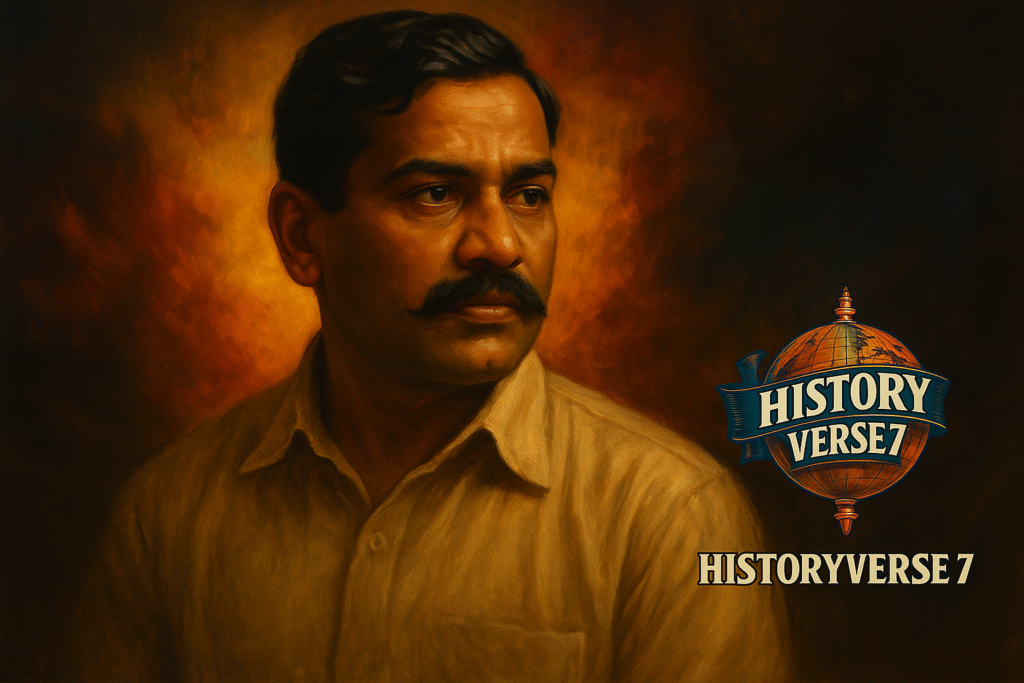
The defining moment of Batukeshwar Dutt’s life came on 8 April 1929, when he and Bhagat Singh entered the Central Legislative Assembly in Delhi. Armed with non-lethal bombs and revolutionary pamphlets, they staged a protest that would shake the nation. Their goal was not to harm, but to awaken. As the bombs exploded, they shouted “Inquilab Zindabad!”—Long live the revolution. Then, instead of fleeing, they surrendered. It was a calculated act of defiance, designed to put the British government on trial.
This was not just a protest. It was a performance of patriotism. And Batukeshwar Dutt played his role with quiet brilliance.
Sentenced to life imprisonment, Dutt was deported to the Cellular Jail in Andaman, where he endured brutal conditions. But even in chains, he remained unbroken. He participated in hunger strikes, demanded better treatment for political prisoners, and continued to inspire those around him. His body weakened, but his spirit never did.
After years of suffering, Batukeshwar Dutt was released—only to find that the nation he had fought for had forgotten him. Post-independence, he lived in obscurity, battling illness and poverty. Yet, he never complained. He never sought recognition. He remained true to his ideals until his death on 20 July 1965 in New Delhi.
Today, as we scroll through reels and read headlines, the name Batukeshwar Dutt rarely appears. But it should. Because his story is not just history—it’s a lesson. A reminder that true revolution doesn’t always come with noise. Sometimes, it comes with silence, sacrifice, and unshakable resolve.
Batukeshwar Dutt represents the kind of patriotism that doesn’t ask for applause. It asks for action. His legacy is a call to every Indian—to remember, to reflect, and to rise.
💬 “He didn’t throw a bomb to destroy. He threw it to awaken.”
This blog is a tribute to that awakening. To the man who stood beside Bhagat Singh, not behind him. To the revolutionary who chose prison over escape, principle over popularity, and legacy over limelight.
If you believe forgotten heroes deserve justice…
If you want to feel pride—not just read it…
Then this is the story you’ve been waiting to discover.
Batukeshwar Dutt didn’t just fight the British.
He fought invisibility.
And now, it’s our turn to make sure his name never fades again.
Table of Contents
🧒 Chapter 1: 1910 – Birth and Early Life of Batukeshwar Dutt
The Silent Seed of Revolution
📍 1.1 Birth in Bengal’s Heartland
Batukeshwar Dutt was born on 18 November 1910 in Khandaghosh, a quiet village nestled in the Burdwan district of the Bengal Presidency—a region that had long been a crucible of cultural pride and political unrest. The soil of Bengal had already birthed thinkers, poets, and rebels. Into this legacy, a child was born—not with a sword in hand, but with fire in his soul.
His birthplace, now part of West Bengal, was more than geography—it was ideology. The Bengal of 1910 was simmering with resistance. The echoes of the Swadeshi Movement, the writings of Bankim Chandra Chatterjee, and the revolutionary whispers of the Anushilan Samiti were shaping the air he breathed.
💬 “Batukeshwar Dutt didn’t inherit rebellion. He absorbed it from the soil beneath his feet.”
🏡 1.2 Family Roots and Cultural Influence
Batukeshwar Dutt was raised in a culturally rich Bengali family that valued education, tradition, and above all—national pride. His household was not politically flamboyant, but it was ideologically firm. The conversations at home were filled with stories of valor, sacrifice, and the dream of a free India.

His father, though not a public revolutionary, was deeply influenced by the nationalist wave. The family’s values were steeped in Bengali Renaissance ideals—a blend of intellectual awakening and patriotic fervor. Literature, music, and history were not just subjects—they were tools of identity.
This environment shaped Batukeshwar Dutt’s early worldview. He learned that freedom was not just a political goal—it was a personal duty.
📚 1.3 Education as a Weapon
From a young age, Batukeshwar Dutt showed a sharp intellect and a quiet determination. He was not loud, but he was focused. His schooling began in local institutions that emphasized both academic excellence and nationalist awareness.
Later, he moved to Kanpur, where he continued his education and came into contact with revolutionary circles. But even before that, his formative years in Bengal had already planted the seeds of resistance.
💬 “Batukeshwar Dutt didn’t study history to pass exams. He studied it to rewrite it.”
His early education was not just about books—it was about becoming a vessel for change. He read about Tilak, Aurobindo, and Khudiram Bose. He didn’t just admire them—he prepared to join them.
🔥 1.4 Bengal’s Revolutionary Climate
To understand Batukeshwar Dutt’s early life, one must understand Bengal in 1910. The region was a hotbed of revolutionary activity. The Partition of Bengal (1905) had triggered mass protests, and the Anushilan Samiti was actively recruiting young minds for underground resistance.
Though Dutt was just a child, the atmosphere around him was electric. Pamphlets circulated secretly. British officers were watched with suspicion. Every street corner had a whisper of rebellion.
This was the Bengal that raised Batukeshwar Dutt—a Bengal that didn’t teach submission, but strategy.
🧠 1.5 Psychological Formation
Even as a boy, Batukeshwar Dutt displayed traits that would later define his revolutionary persona:
- Calm under pressure
- Sharp analytical thinking
- Deep emotional intelligence
- Unwavering loyalty to ideals
He wasn’t the kind to seek attention. He was the kind to seek impact. His early life was marked by introspection, observation, and quiet preparation.
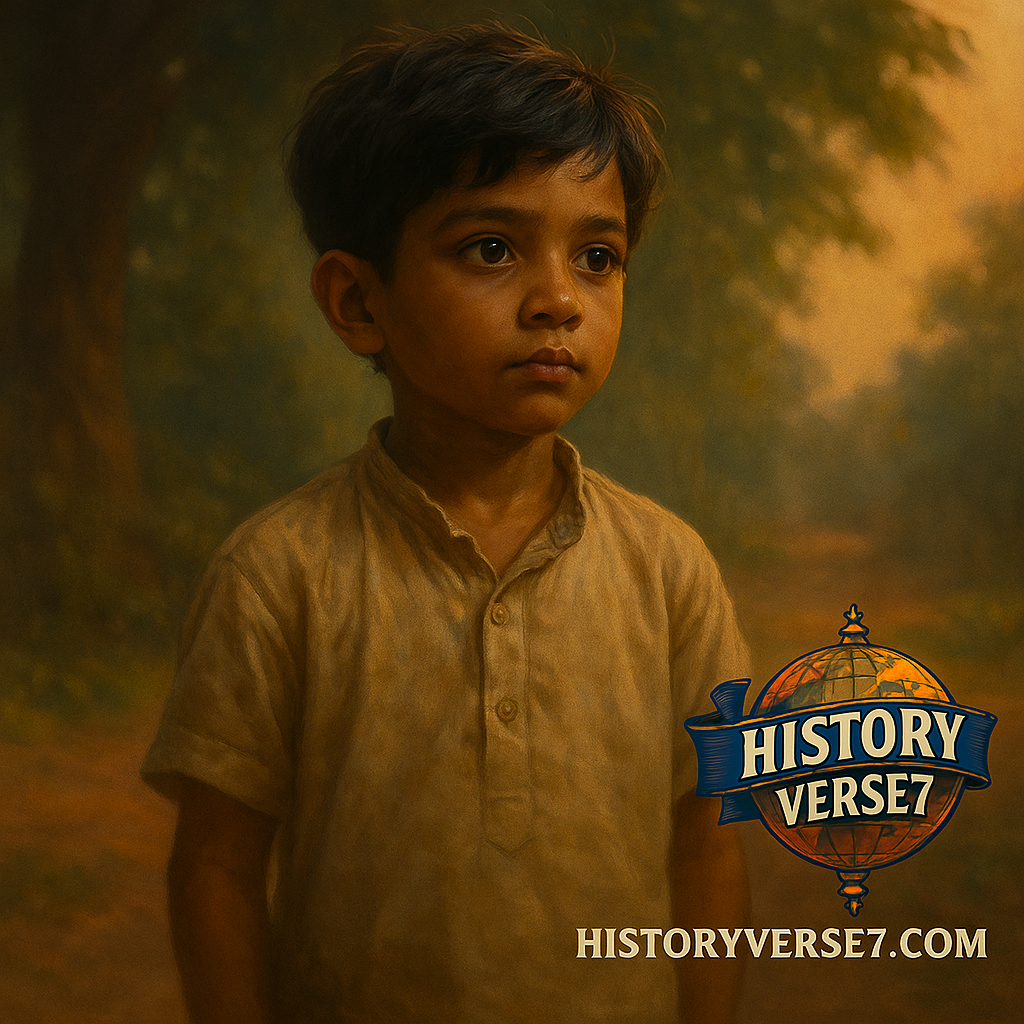
💬 “Some revolutionaries are born with fire. Batukeshwar Dutt was born with focus.”
📖 Book References and Sources
- India’s Struggle for Independence by Bipan Chandra
- The Revolutionary Movement in India by Manmath Nath Gupta
- Batukeshwar Dutt – Wikipedia
- StarsUnfolded – Batukeshwar Dutt Biography
- History’s Hub – Batukeshwar Dutt Tribute
🧠 His Childhood Was Quiet. His Legacy Is Loud.
Batukeshwar Dutt’s early life wasn’t filled with headlines—but it was filled with history. From Bengal’s revolutionary soil to Kanpur’s ideological circles, every step shaped the man who would shake the British Empire. The next chapter explores how his education and friendships turned him from a thinker into a fighter.
👉 Continue to Chapter 2: Education and Revolutionary Awakening🎓 Chapter 2: 1924–1928 — Education and Ideological Awakening of Batukeshwar Dutt
From Classroom to Conspiracy: The Making of a Revolutionary
📘 2.1 Theosophical High School: Seeds of Thought (1924–1925)
In 1924, Batukeshwar Dutt enrolled at Theosophical High School, a progressive institution influenced by the ideals of the Theosophical Society—a movement that blended Eastern philosophy with Western reformist thought. This was no ordinary school. It encouraged students to question authority, embrace Indian heritage, and think beyond colonial textbooks.
Here, Batukeshwar Dutt was exposed to ideas that challenged the British narrative. He read about Swami Vivekananda, Bal Gangadhar Tilak, and Bankim Chandra Chatterjee. He began to see education not as a path to employment—but as a weapon of resistance.
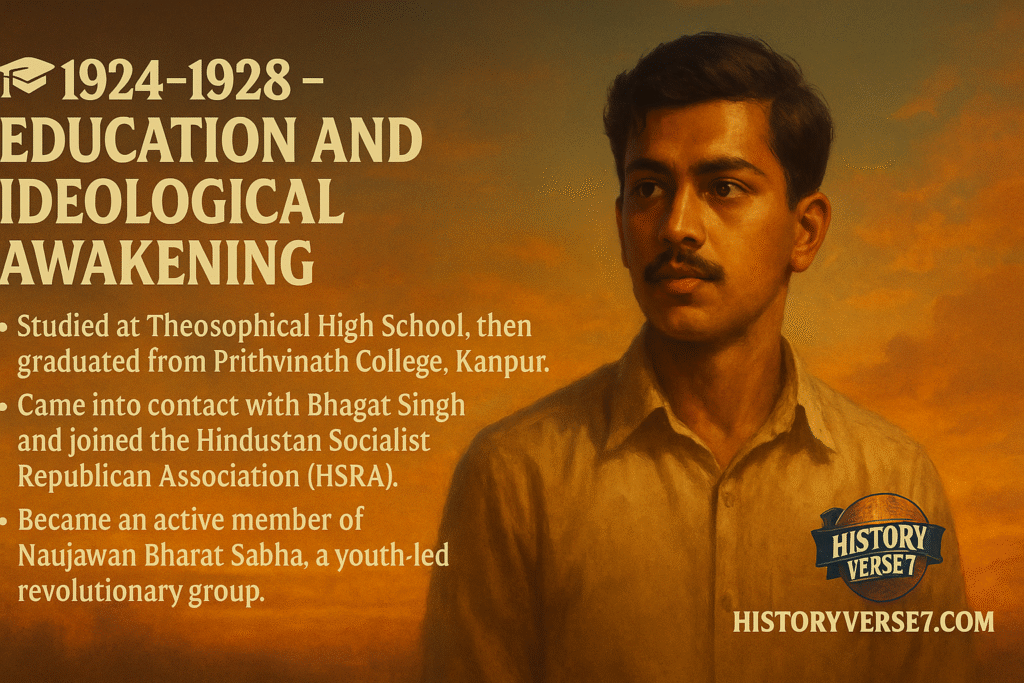
💬 “Batukeshwar Dutt didn’t just attend school—he absorbed a revolution in silence.”
This period shaped his intellectual foundation. He became fluent in Hindi, Bengali, and English, and developed a sharp analytical mind. But more importantly, he began to feel the weight of India’s chains—and the urge to break them.
🏫 2.2 Prithvinath College, Kanpur: The Turning Point (1925–1926)
In 1925, Batukeshwar Dutt moved to Kanpur and joined Prithvinath College. This was a pivotal moment. Kanpur was a hotbed of revolutionary activity, and the college was a silent incubator of dissent. It was here that he met Bhagat Singh—a meeting that would change the course of Indian history.
Bhagat Singh was already a rising star in the revolutionary movement—charismatic, fearless, and ideologically sharp. But he wasn’t looking for followers. He was looking for equals. And in Batukeshwar Dutt, he found one.
Their bond wasn’t forged in slogans—it was forged in strategy. They debated Marxism, discussed the failures of moderate nationalism, and envisioned a new India—free, fearless, and just.
💬 “Bhagat Singh was the voice. Batukeshwar Dutt was the echo that never faded.”
Together, they began to move beyond theory. They started planning action.
🕊️ 2.3 Joining the Hindustan Socialist Republican Association (HSRA) (1926–1927)
By 1926, Batukeshwar Dutt had joined the Hindustan Socialist Republican Association (HSRA)—a revolutionary organization committed to armed resistance against British rule. The HSRA wasn’t about chaos. It was about calculated defiance. And Dutt fit right in.
He was trained in bomb-making, underground communication, and strategic planning. But unlike others, he didn’t crave the spotlight. He preferred the shadows—working silently, efficiently, and with unwavering discipline.
His role in the HSRA was crucial. He helped print and distribute revolutionary literature, coordinated secret meetings, and built networks across cities. He was the invisible thread that held the movement together.
💬 “Batukeshwar Dutt didn’t shout for freedom. He built it—brick by brick, bomb by bomb.”
🔥 2.4 Naujawan Bharat Sabha: Mobilizing the Youth (1927–1928)
In 1927, Batukeshwar Dutt became an active member of the Naujawan Bharat Sabha, a youth-led organization founded by Bhagat Singh. The Sabha aimed to awaken political consciousness among students and workers, urging them to reject colonial servitude and embrace revolutionary nationalism.
Dutt organized rallies, wrote pamphlets, and mentored young recruits. He wasn’t just a fighter—he was a builder of minds. His speeches were rare, but his presence was magnetic. He taught that revolution wasn’t just about bombs—it was about belief.
💬 “Batukeshwar Dutt didn’t lead marches. He lit minds.”
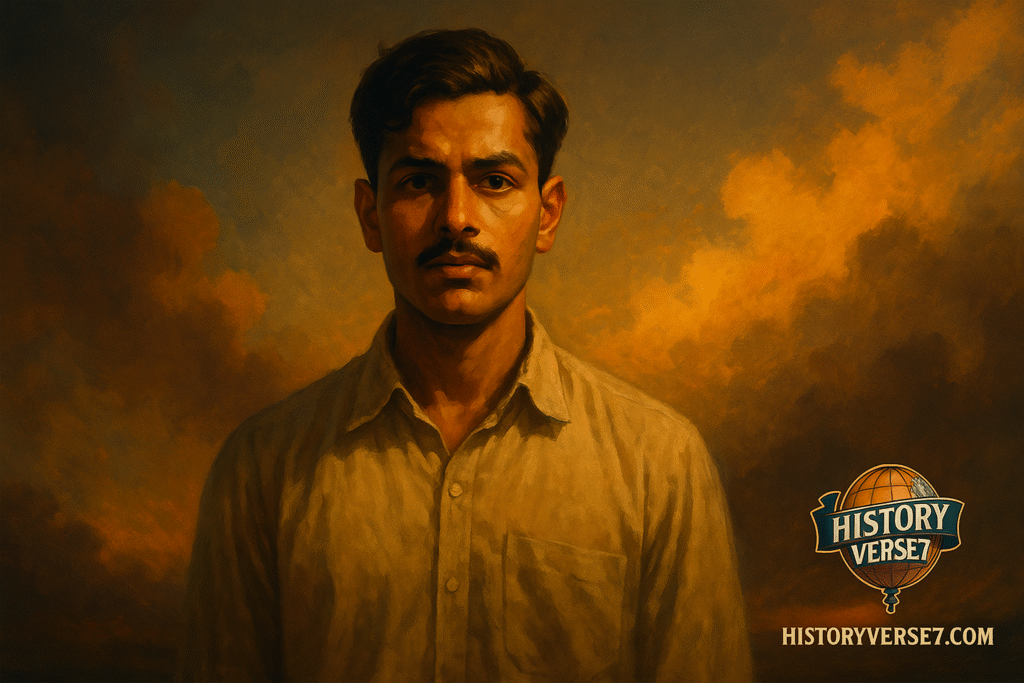
This period solidified his role as a core strategist in India’s underground resistance. By 1928, he was no longer a student. He was a soldier of freedom.
📚 Sources and References
- Wikipedia – Batukeshwar Dutt
- History’s Hub – Batukeshwar Dutt Tribute
- India’s Struggle for Independence by Bipan Chandra
- The Revolutionary Movement in India by Manmath Nath Gupta
- Without Fear: The Life and Trial of Bhagat Singh by Kuldip Nayar
🎓 From Student to Strategist: The Fire Was Lit
Between 1924 and 1928, Batukeshwar Dutt didn’t just learn—he transformed. From classrooms to conspiracies, from books to bombs, these four years shaped a revolutionary. The next chapter explores the defining act that shook the British Empire: the Central Assembly Bombing.
👉 Continue to Chapter 3: The Central Assembly Bombing💣 Chapter 3: The Central Assembly Bombing — When Silence Shook an Empire
Batukeshwar Dutt didn’t throw a bomb to destroy. He threw it to awaken.
On 8 April 1929, in the heart of British-controlled Delhi, a quiet revolutionary stepped into the Central Legislative Assembly—not to kill, but to make history tremble.
🏛️ 3.1 The Political Climate: Repression and Resistance
By 1929, the British Raj had intensified its crackdown on dissent. The Public Safety Bill and Trade Disputes Bill were designed to silence workers, students, and nationalists. The colonial government was tightening its grip—and the revolutionaries knew they had to respond.
Batukeshwar Dutt, alongside Bhagat Singh, believed that symbolic resistance could be more powerful than violence. Their plan wasn’t to harm—it was to shock the conscience of the nation.
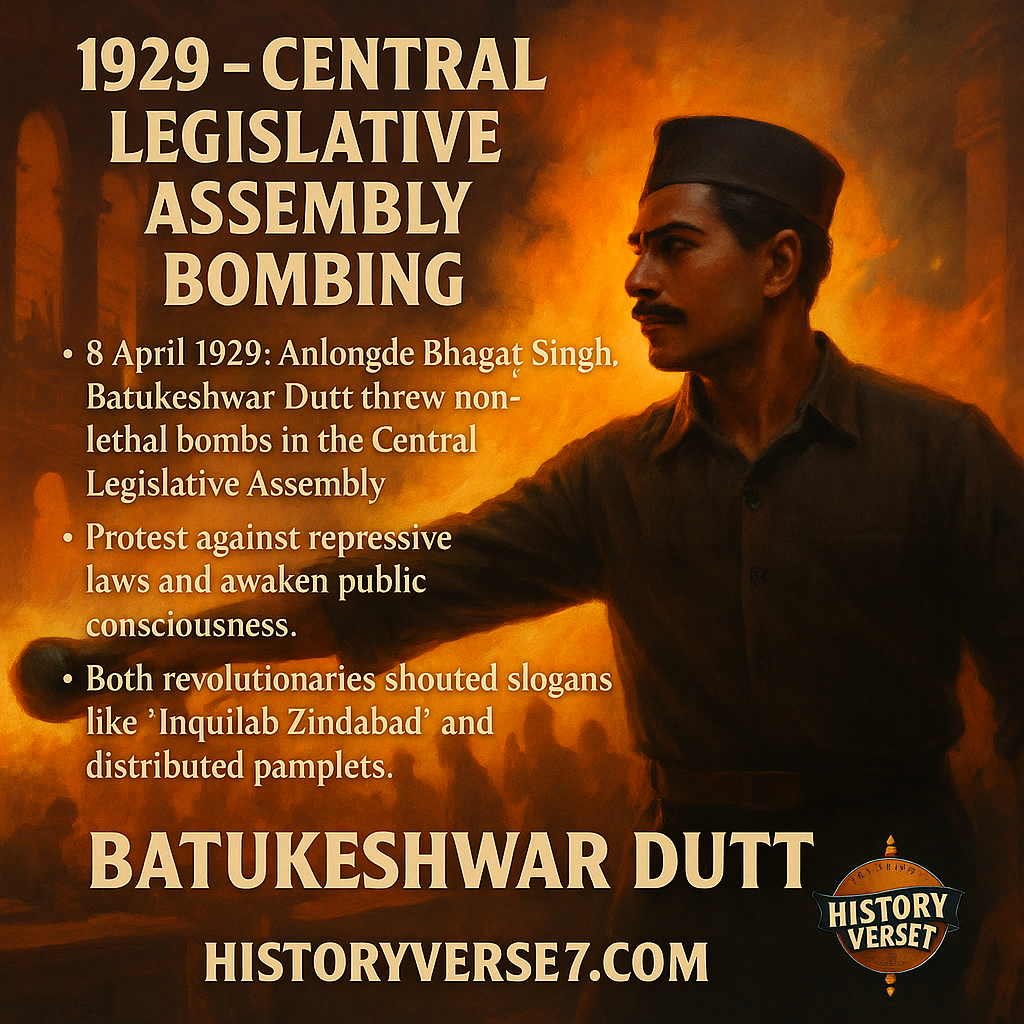
💬 “The deaf must be made to hear. And when the ordinary means fail, the extraordinary must be employed.” — HSRA Manifesto
🧠 3.2 The Strategy: Precision Over Chaos
The plan was meticulous. Batukeshwar Dutt and Bhagat Singh would enter the Assembly disguised as delegates. They carried non-lethal bombs, designed to make noise—not casualties. Their goal was to protest the bills and expose the hypocrisy of British democracy in India.
On the morning of 8 April, they walked into the Assembly gallery. As the bills were being discussed, they hurled the bombs into the empty spaces, ensuring no one was harmed. The explosions echoed through the chamber, halting proceedings and sending a message louder than any speech.
🗣️ 3.3 The Aftermath: Slogans, Surrender, and Silence
As smoke filled the hall, Batukeshwar Dutt and Bhagat Singh stood their ground. They shouted:
“Inquilab Zindabad!”
“Down with Imperialism!”
Then, they voluntarily surrendered. They didn’t run. They didn’t resist. Because this wasn’t an escape—it was an entry into the courtroom of history.
Batukeshwar Dutt knew the consequences. But he also knew the power of symbolism. His silence in court, his refusal to plead for mercy, and his calm acceptance of punishment turned him into a legend.
⚖️ 3.4 The Trial: A Stage for Revolution
The British government charged both revolutionaries under the Explosive Substances Act. The trial was swift, but the impact was seismic. Newspapers across India and abroad covered the case. The courtroom became a platform for revolutionary ideology.
Batukeshwar Dutt used the trial not to defend himself, but to defend the dream of a free India. His statements were few—but every word was a bullet aimed at colonial arrogance.
He was sentenced to life imprisonment and deported to the Cellular Jail in Andaman—a place meant to break men. But Batukeshwar Dutt didn’t break. He became stronger.
🔥 3.5 Why This Act Still Matters
The Central Assembly Bombing wasn’t about destruction. It was about awakening a nation. It showed that revolution could be strategic, symbolic, and deeply moral.
Batukeshwar Dutt didn’t seek martyrdom. He sought meaning. And in that moment, he gave India a new definition of courage—one that didn’t scream, but stood still.
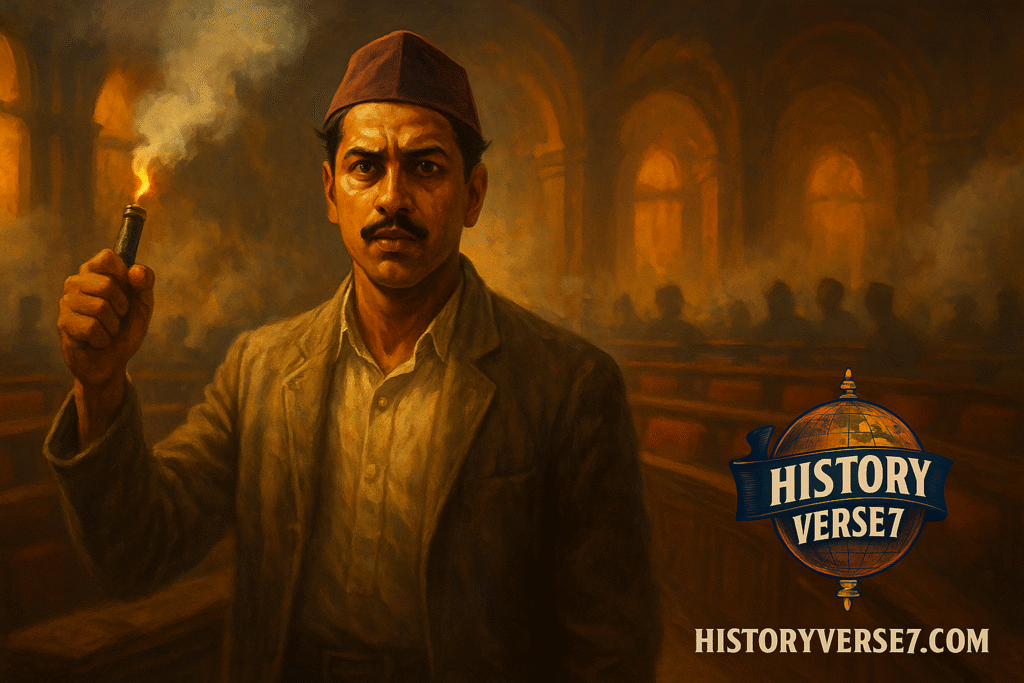
💬 “He didn’t run from the law. He ran toward legacy.”
📚 Sources and References
- India’s Struggle for Independence by Bipan Chandra
- Without Fear: The Life and Trial of Bhagat Singh by Kuldip Nayar
- Wikipedia – Batukeshwar Dutt
- The Revolutionary Movement in India by Manmath Nath Gupta
- Archives of the Hindustan Socialist Republican Association (HSRA)
💣 He Didn’t Flee the Scene. He Faced It.
Batukeshwar Dutt’s act in the Assembly wasn’t just a protest—it was a performance of patriotism. The next chapter explores his years in prison, the torture he endured, and the fire he kept alive behind bars.
👉 Continue to Chapter 4: The Prison Years⚖️ Chapter 4: 1929–1930 — Trial and Imprisonment of Batukeshwar Dutt
From Courtroom to Cell: The Price of Patriotism
🏛️ 4.1 The Delhi Conspiracy Case: A Trial of Ideals
After the Central Legislative Assembly Bombing on 8 April 1929, Batukeshwar Dutt and Bhagat Singh were arrested and charged under the Delhi Conspiracy Case. The British government sought to make an example of them—not just for the act, but for the ideology it represented.
The courtroom wasn’t just a legal arena—it was a battlefield of beliefs. Batukeshwar Dutt refused to plead for mercy. He didn’t deny the act. He defended it. His silence, his posture, and his unwavering gaze turned the trial into a statement.
💬 “We did it to make the deaf hear. We did it to awaken a sleeping nation.”
The British tried to paint him as a criminal. But every Indian who followed the trial saw him as a hero.
📜 4.2 Sentencing: Life for a Moment of Defiance
In mid-1929, the verdict was delivered. Batukeshwar Dutt was sentenced to life imprisonment. The British believed this would silence him. But they underestimated the power of conviction.
He was deported to the Cellular Jail in the Andaman Islands—a place infamous for breaking the bodies and spirits of political prisoners. But Batukeshwar Dutt was not ordinary. He didn’t bend. He didn’t break. He became stronger.
💬 “They gave him life imprisonment. He gave them immortal resistance.”
🏝️ 4.3 Cellular Jail: Torture, Solitude, and Defiance
The Cellular Jail, also known as Kala Pani, was designed to isolate and crush revolutionaries. Batukeshwar Dutt was placed in solitary confinement, denied basic rights, and subjected to physical and psychological torture.
He was beaten, starved, and denied medical care. But he didn’t flinch. Instead, he organized hunger strikes, protested against inhumane treatment, and demanded recognition as a political prisoner.
His protests weren’t loud. They were lethal. His body weakened, but his resolve intensified. He became a symbol of resistance inside the jail—a leader among inmates, a nightmare for jailers.
💬 “Batukeshwar Dutt didn’t just survive Kala Pani. He turned it into a fortress of freedom.”
✊ 4.4 Hunger Strikes and Prison Protests
In late 1929 and throughout 1930, Batukeshwar Dutt led and participated in multiple hunger strikes. These were not acts of desperation—they were acts of discipline. He demanded:
- Better food and medical care
- Access to books and newspapers
- Recognition of political status
- End to physical torture
His strikes inspired others. The British were forced to negotiate. Some reforms were introduced. But the cost was immense—his health deteriorated, and he suffered permanent damage to his lungs and digestive system.
Yet, he never regretted it.
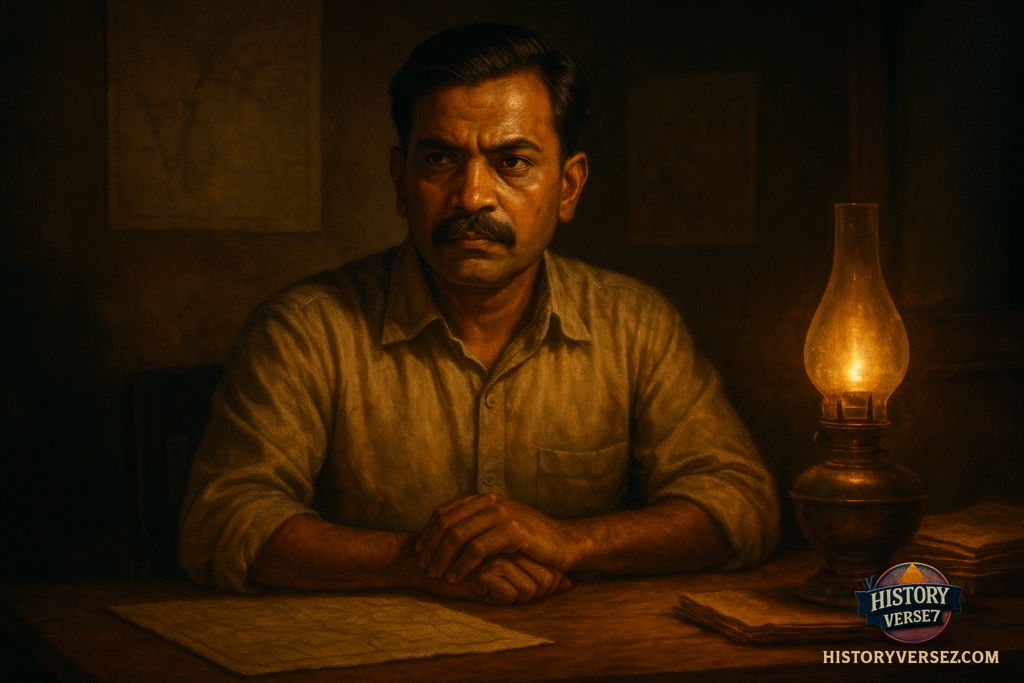
💬 “He didn’t eat for days. But he fed a movement with courage.”
📚 Sources and References
- Wikipedia – Batukeshwar Dutt
- History’s Hub – Batukeshwar Dutt Tribute
- India’s Struggle for Independence by Bipan Chandra
- The Revolutionary Movement in India by Manmath Nath Gupta
- Without Fear: The Life and Trial of Bhagat Singh by Kuldip Nayar
- Government of India’s “Unsung Heroes” PDF archive
⚖️ He Was Sentenced to Silence. He Replied with Fire.
Batukeshwar Dutt’s trial and imprisonment weren’t setbacks—they were stages of transformation. From courtroom defiance to prison protests, he redefined what it means to fight for freedom. The next chapter explores his post-release years, the neglect he faced, and the legacy he carried alone.
👉 Continue to Chapter 5: Post-Release and the Forgotten Hero🕊️ Chapter 5: 1937–1945 — Release and Continued Activism of Batukeshwar Dutt
From Prisoner to Political Philosopher: The Forgotten Flame Still Burned
🏥 5.1 1937 – Release from Cellular Jail: A Body Broken, A Spirit Unshaken
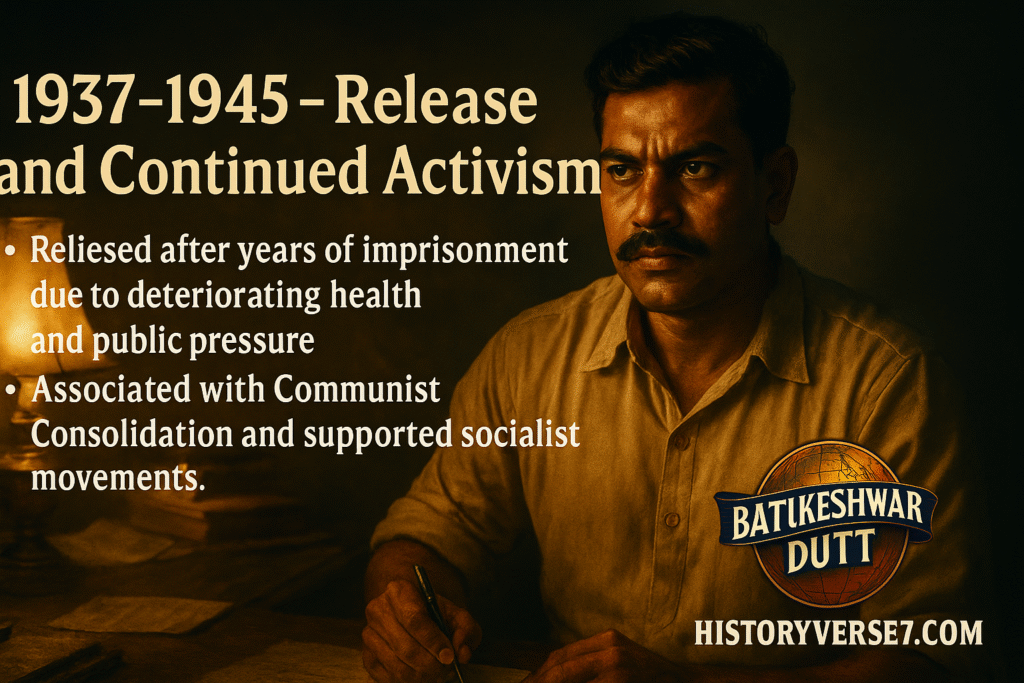
After nearly a decade of brutal imprisonment in the Cellular Jail, Batukeshwar Dutt was released in 1937. His health had deteriorated severely due to repeated hunger strikes, solitary confinement, and physical torture. But public pressure—especially from Indian nationalists and civil rights advocates—forced the British to release him.
He emerged frail, coughing, and visibly aged. But his eyes still burned with the same fire that had once lit up the Central Assembly.
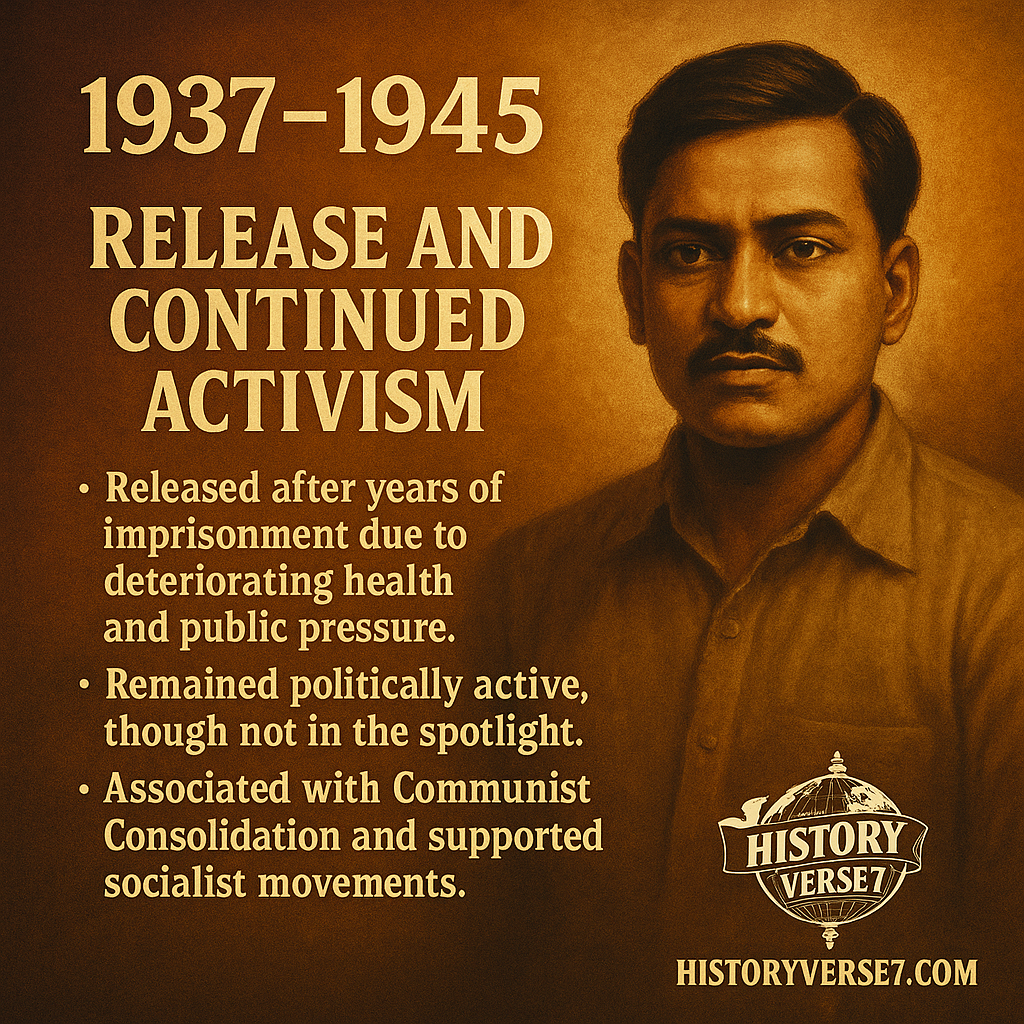
💬 “They freed his body. But his soul had never been caged.”
🧭 5.2 1938–1939 – Rebuilding Life, Quietly
Unlike many of his contemporaries who entered mainstream politics, Batukeshwar Dutt chose a quieter path. He returned to Kanpur, where he began rebuilding his life in obscurity. He refused to capitalize on his fame. He didn’t seek office. He sought meaning.
He began writing, mentoring young activists, and reconnecting with old comrades. His home became a silent hub of ideological exchange—where revolution was no longer about bombs, but about books, belief, and building a just society.
🛠️ 5.3 1940–1941 – Association with Communist Consolidation
During this period, Batukeshwar Dutt aligned himself with Communist Consolidation, a growing ideological movement that emphasized class struggle, anti-imperialism, and workers’ rights. Though he never formally joined the Communist Party of India, he supported its ideals and often collaborated with its members.
He believed that true freedom was incomplete without economic justice. His speeches and writings from this period reflect a deep concern for laborers, farmers, and the working class—groups he felt were being ignored by elite-led nationalist politics.
💬 “Batukeshwar Dutt didn’t just want political freedom. He wanted dignity for every Indian.”
📣 5.4 1942 – The Quit India Movement: A Silent Supporter
When Mahatma Gandhi launched the Quit India Movement in 1942, the country erupted in protest. Though Batukeshwar Dutt did not take a frontline role due to his health, he supported the movement ideologically and logistically.
He helped distribute underground literature, offered shelter to activists, and used his network to coordinate safe passage for revolutionaries. His home became a silent command center—a place where resistance was planned in whispers.
📚 5.5 1943–1945 – The Philosopher of Forgotten Fire
As World War II raged and India’s independence drew closer, Batukeshwar Dutt became increasingly reflective. He began writing essays and letters, many of which were never published but circulated among revolutionary circles.
He emphasized the need for post-independence vigilance—warning that political freedom without social reform would be hollow. He urged young Indians to study, organize, and stay rooted in ideology.
💬 “Freedom is not a finish line. It is a foundation.”
Though his health continued to decline, he remained intellectually active. He was often invited to speak at small gatherings, where his words carried the weight of lived sacrifice.
📚 Sources and References
- Wikipedia – Batukeshwar Dutt
- Indian Culture Portal – Ministry of Culture
- India’s Struggle for Independence by Bipan Chandra
- The Revolutionary Movement in India by Manmath Nath Gupta
- Without Fear: The Life and Trial of Bhagat Singh by Kuldip Nayar
- OneWorld News – Remembering Batukeshwar Dutt
🕊️ He Left the Jail. But Never Left the Fight.
Between 1937 and 1945, Batukeshwar Dutt redefined revolution. No longer in chains, he chose quiet activism, ideological clarity, and unwavering service to the people. The next chapter explores how he was treated after independence—and why India must never forget.
👉 Continue to Chapter 6: Post-Independence Neglect and Legacy🇮🇳 Chapter 6: 1947 – Independence and Post-Freedom Struggles of Batukeshwar Dutt
The Forgotten Flame in a Free Nation
🎉 6.1 August 15, 1947 – A Nation Rejoices, A Revolutionary Waits
As the tricolor rose over the Red Fort and India declared independence, millions wept with joy. But in a modest home in Patna, Batukeshwar Dutt sat in silence. He had fought for this moment. He had bled for it. Yet, there was no invitation, no acknowledgment, no honor.
He was not called to Delhi. He was not asked to speak. He was not even remembered.
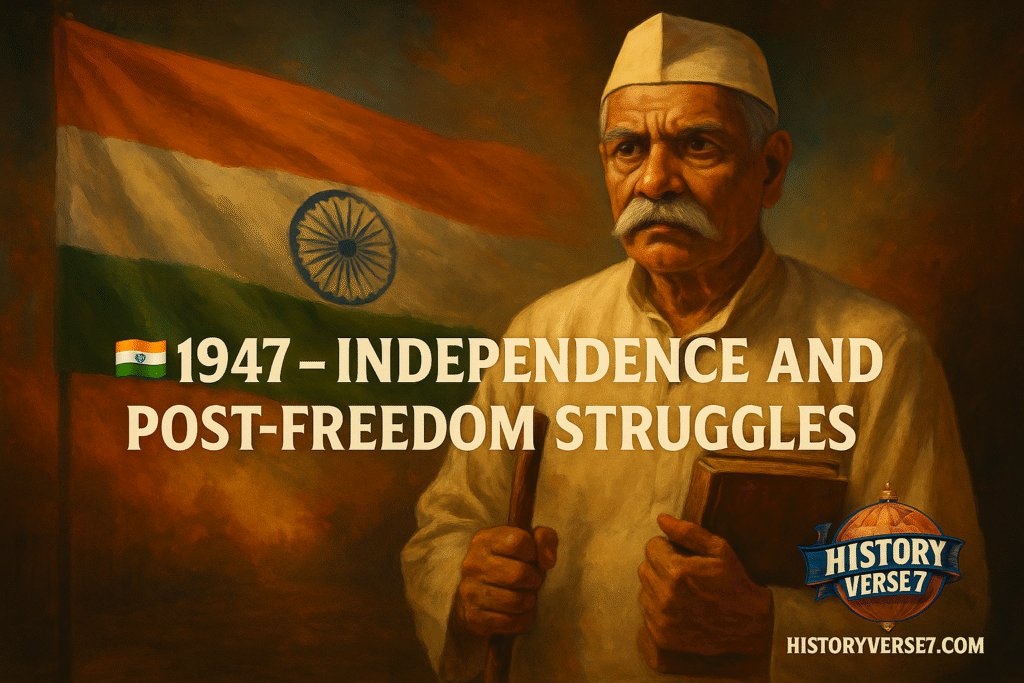
💬 “The chains were gone. But so was the memory of those who broke them.”
🧍 6.2 Living in Obscurity: The Price of Principle
Post-independence, Batukeshwar Dutt chose not to enter politics. He refused to leverage his revolutionary past for personal gain. While many of his contemporaries became ministers and parliamentarians, he remained a man of the people, living in relative obscurity.
He worked odd jobs, struggled with health issues, and often relied on friends for support. Despite his sacrifices, the newly formed government offered little assistance. His appeals for a pension or medical aid were delayed or ignored.
💬 “He gave his youth to the nation. The nation gave him silence in return.”
💰 6.3 Financial Hardship: A Hero Forgotten
By the early 1950s, Batukeshwar Dutt was battling tuberculosis, a result of years of prison torture and hunger strikes. He couldn’t afford proper treatment. His family lived in poverty. His wife, Anjali Dutt, stood by him—but the burden was heavy.
He wrote letters to government officials, not for favors, but for basic dignity. Most went unanswered. Occasionally, local leaders or journalists would highlight his plight, but the attention was fleeting.
💬 “The man who once shook the Assembly now struggled to afford medicine.”
🖋️ 6.4 Writing and Speaking: Keeping the Flame Alive
Despite his physical decline, Batukeshwar Dutt continued to write and speak. He penned essays on revolutionary ethics, social justice, and the forgotten sacrifices of freedom fighters. He spoke at small gatherings, colleges, and workers’ unions—wherever people were willing to listen.
He warned against political complacency, criticized the elitism of post-colonial governance, and urged the youth to study the true history of India’s freedom struggle.
💬 “Freedom is not a flag. It is a fire that must be fed.”
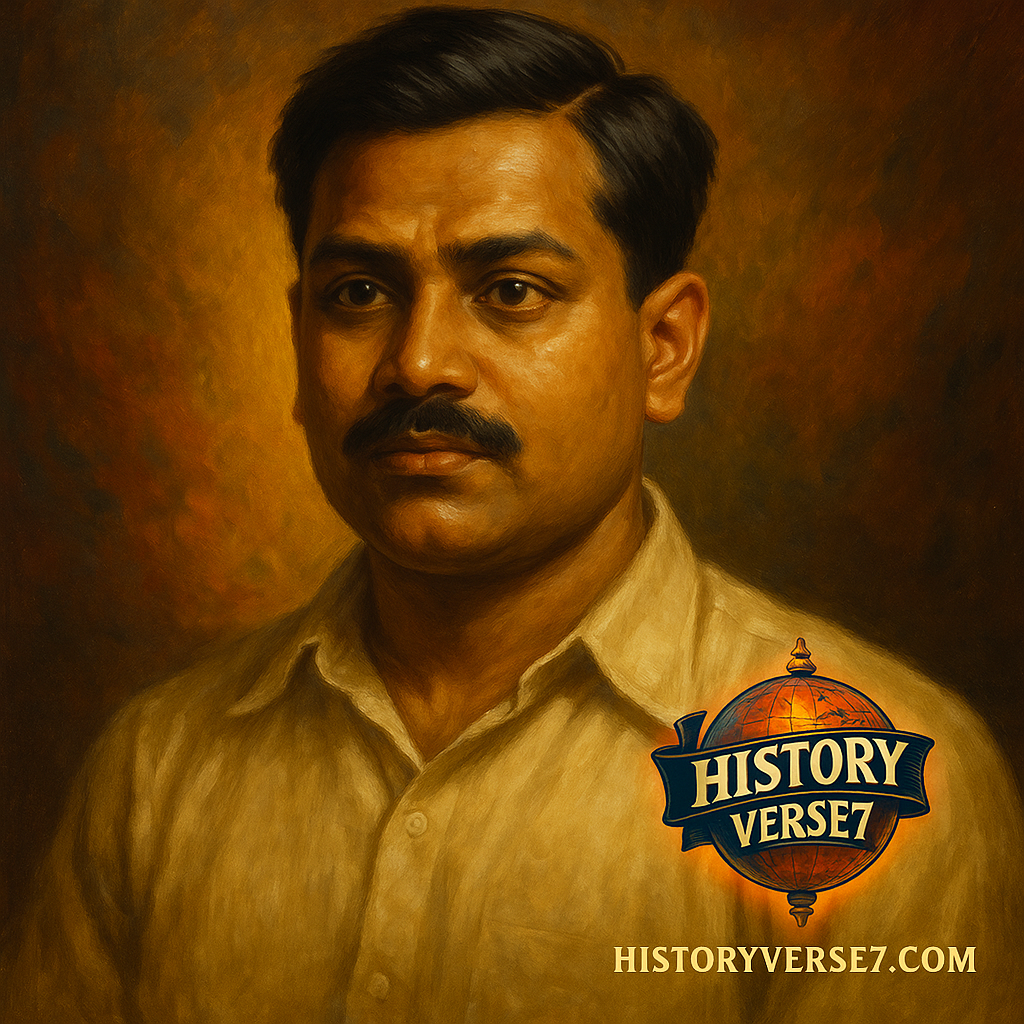
His words were not bitter. They were bold. He didn’t seek revenge. He sought remembrance.
📚 Sources and References
- Wikipedia – Batukeshwar Dutt
- History’s Hub – Batukeshwar Dutt Tribute
- Indian Culture Portal – Ministry of Culture
- India’s Struggle for Independence by Bipan Chandra
- Without Fear: The Life and Trial of Bhagat Singh by Kuldip Nayar
- The Revolutionary Movement in India by Manmath Nath Gupta
🇮🇳 He Saw Freedom. But Not Recognition.
In 1947, Batukeshwar Dutt watched the nation celebrate a freedom he helped win—alone, uninvited, and unrecognized. Yet he never stopped believing in the ideals he fought for. The next chapter explores his final years, his death, and the legacy we must reclaim.
👉 Continue to Chapter 7: Final Years and Legacy🏥 Chapter 7: 1965 — Death and Legacy of Batukeshwar Dutt
The Final Breath of a Forgotten Flame
🕯️ 7.1 Battling Illness: The Body That Carried a Revolution
By the early 1960s, Batukeshwar Dutt was suffering from multiple health complications—tuberculosis, lung damage, and digestive disorders—all consequences of his years in the Cellular Jail, hunger strikes, and neglect. Despite his deteriorating condition, he continued to write, speak, and mentor young activists.
He lived in New Delhi, far from the limelight, in modest surroundings. His wife, Anjali Dutt, cared for him with quiet strength. The government offered minimal support, and most of his medical expenses were borne by friends and well-wishers.
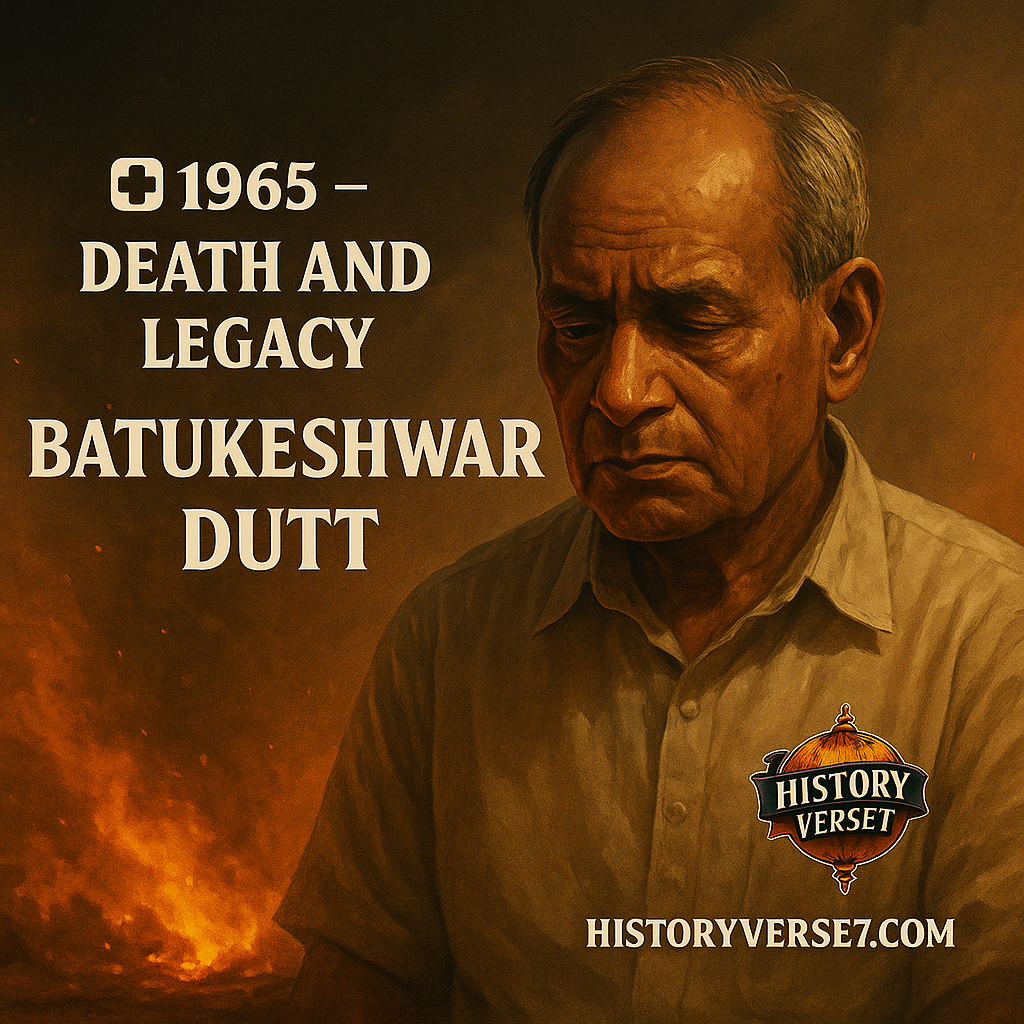
💬 “His body was failing. But his spirit still stood tall.”
🗓️ 7.2 20 July 1965 – The Day India Lost a Revolutionary
On 20 July 1965, Batukeshwar Dutt passed away in New Delhi at the age of 54. His death was not marked by national mourning. There were no state-wide tributes. No headlines. No ceremonies in Parliament.
But among those who remembered, the grief was profound. His comrades, students, and admirers gathered to honor a man who had given everything—and asked for nothing.
💬 “He didn’t die in glory. He died in grace.”
🔥 7.3 Cremation with Honors: A Quiet Salute
Despite the lack of widespread recognition, Batukeshwar Dutt was cremated with full honors. His funeral was attended by fellow revolutionaries, local leaders, and citizens who knew his story. The tricolor draped his body. Slogans of “Inquilab Zindabad” echoed once more.
But the absence of national leaders and media coverage was glaring. It was a reminder that India’s freedom fighters were often celebrated in textbooks—but forgotten in real life.
💬 “The fire he lit in 1929 was still burning. But few came to see it.”
📖 7.4 Legacy: Remembered in Silence, Revered in Shadows
After his death, Batukeshwar Dutt’s legacy remained underrepresented in mainstream history. While Bhagat Singh became a national icon, Dutt’s contributions were often footnotes. His name was missing from school curricula, public memorials, and national awards.
Yet, among historians, activists, and cultural scholars, his story endured. His role in the Central Legislative Assembly Bombing, his prison protests, and his post-independence writings became subjects of research and tribute.
In recent years, efforts have been made to revive his memory—through documentaries, articles, and grassroots campaigns. But the gap remains.
💬 “He was the echo of a revolution. And echoes deserve to be heard.”
📚 Sources and References
- Batukeshwar Dutt – Wikipedia
- Testbook – Death of Revolutionary Batukeshwar Dutt
- Diginamad24 – Batukeshwar Dutt Biography
- India’s Struggle for Independence by Bipan Chandra
- The Revolutionary Movement in India by Manmath Nath Gupta
- Without Fear: The Life and Trial of Bhagat Singh by Kuldip Nayar
🏥 He Died Quietly. But His Legacy Must Roar.
Batukeshwar Dutt’s final year was marked by illness, obscurity, and quiet dignity. But his legacy is not a whisper—it’s a call to remember, honor, and educate. The next section will summarize his full timeline and offer ways to keep his story alive.
👉 Continue to Chapter 8: Timeline and Tribute🕯️ Chapter 8: Legacy Highlights of Batukeshwar Dutt
The Comrade, The Symbol, The Forgotten Flame
🤝 8.1 Bhagat Singh’s Closest Comrade: Action and Ideology
In the revolutionary circles of the 1920s, Batukeshwar Dutt was not just a participant—he was a pillar. His bond with Bhagat Singh was forged in shared ideology, mutual respect, and joint action. They planned together, protested together, and surrendered together.
While Bhagat Singh became a national icon, Batukeshwar Dutt remained his closest comrade—not in fame, but in fire. Their partnership during the Central Legislative Assembly Bombing was not just tactical—it was philosophical. Dutt believed in Singh’s vision of socialist revolution, and he carried it forward even after Singh’s martyrdom.

💬 “Bhagat Singh was the voice. Batukeshwar Dutt was the echo that never faded.”
Their ideological alignment extended beyond the bomb. It was about building a just India—free from imperialism and inequality.
🔥 8.2 Symbol of Silent Courage and Strategic Defiance
Batukeshwar Dutt never sought the spotlight. His courage was quiet, his defiance strategic. He chose symbolic protest over violence, surrender over escape, and principle over popularity.
His actions in the Assembly were calculated to awaken—not to destroy. His hunger strikes in prison were disciplined—not desperate. His post-independence activism was ideological—not opportunistic.
This made him a symbol of silent courage—a revolutionary who didn’t shout, but stood. His legacy teaches that true patriotism is not loud—it is lasting.
💬 “He didn’t need applause. He needed impact.”
📚 8.3 Etched in History, Awaiting Recognition
Despite his monumental contributions, Batukeshwar Dutt’s name remains underrepresented in textbooks, memorials, and public discourse. His role in India’s freedom struggle is often overshadowed, reduced to a footnote beside Bhagat Singh.
Yet, historians and cultural scholars continue to highlight his importance. His writings, speeches, and prison records reveal a man of depth, discipline, and dedication.
Recent efforts—documentaries, articles, and grassroots campaigns—are reviving his memory. But the gap remains. Schools rarely teach his story. Statues are few. Government honors are sparse.
💬 “He is remembered. But not enough.”
🧠 8.4 Why His Legacy Still Matters
In today’s India, where nationalism is often reduced to slogans, Batukeshwar Dutt’s legacy offers a deeper lesson. He reminds us that:
- Freedom is earned, not gifted
- Sacrifice must be remembered, not romanticized
- Ideology matters more than image
His life is a blueprint for ethical activism, intellectual resistance, and humble service. He didn’t just fight the British. He fought forgetfulness.
💬 “Batukeshwar Dutt didn’t just make history. He made memory a moral duty.”
📚 Sources and References
- Batukeshwar Dutt – Wikipedia
- History’s Hub – Batukeshwar Dutt Tribute
- Indian Culture Portal – Ministry of Culture
- India’s Struggle for Independence by Bipan Chandra
- Without Fear: The Life and Trial of Bhagat Singh by Kuldip Nayar
- The Revolutionary Movement in India by Manmath Nath Gupta
🕯️ He Didn’t Just Fight. He Endured.
Batukeshwar Dutt’s legacy is not just a story—it’s a responsibility. As we honor freedom, we must also honor those who made it possible. The next section will offer a full timeline summary and tribute-ready captions for HistoryVerse7.
👉 Continue to 🏁 Conclusion: Batukeshwar Dutt — The Flame We Must Never Forget🏁 Conclusion: Batukeshwar Dutt — The Flame We Must Never Forget
In the grand tapestry of India’s freedom struggle, some threads shine brighter than others. But there are those—like Batukeshwar Dutt—whose brilliance lies in their quiet strength, their unyielding resolve, and their refusal to be forgotten.
From his birth in Bengal’s revolutionary soil to his final breath in a free but indifferent India, Batukeshwar Dutt lived a life of purpose. He didn’t chase headlines. He chased history. And he caught it—not with noise, but with nuance.
His journey was never about fame. It was about fire.
He stood beside Bhagat Singh, not behind him. He hurled a bomb in the Assembly—not to harm, but to awaken. He chose prison over escape, hunger over comfort, and obscurity over opportunism. Every chapter of his life was a lesson in ethical rebellion.
Yet, when India finally broke its chains in 1947, Batukeshwar Dutt was left behind. No ministerial post. No pension. No parade. Just silence.
But silence never scared him. He had faced it in solitary confinement. He had fought it in the courtroom. And he had turned it into a weapon—one that still echoes today.
His post-independence years were marked by illness, poverty, and neglect. But even then, he continued to write, speak, and mentor. He reminded the youth that freedom was not a finish line—it was a responsibility. That revolution was not a moment—it was a mindset.
And when he died in 1965, the nation barely noticed. But history did. And now, so must we.
Because Batukeshwar Dutt is not just a name. He is a symbol.
- A symbol of silent courage
- A symbol of strategic defiance
- A symbol of unwavering patriotism
His legacy is not just about what he did. It’s about what we must do.
We must teach his story.
We must honor his sacrifice.
We must ensure that no revolutionary ever fades into footnotes again.
In a world obsessed with noise, Batukeshwar Dutt teaches us the power of quiet conviction. In a nation that celebrates freedom, he reminds us to celebrate those who earned it.
So let this blog be more than a tribute. Let it be a torch.
Let it light classrooms, conversations, and consciousness.
Because the flame of Batukeshwar Dutt still burns.
And it’s our duty to keep it alive.
🔥 His Story Was Silent. Your Action Shouldn’t Be.
Batukeshwar Dutt gave everything for India’s freedom—and received little in return. Now it’s our turn to give back. Share his story. Teach his name. Demand his place in every textbook, every tribute, every timeline.
👉 Take Action: Keep Batukeshwar Dutt’s Legacy AliveInternal Links: 1https://historyverse7.com/rajendra-lahiri/ 2.https://historyverse7.com/bagha-jatin/
📘 FAQ: Understanding Batukeshwar Dutt — The Revolutionary India Forgot
1. Why did Batukeshwar Dutt choose to surrender after the Assembly bombing instead of escaping?
Answer:
Because for Batukeshwar Dutt, the act wasn’t about destruction—it was about demonstration. Surrendering was the final stroke of protest. He wanted the trial to become a stage, the prison to become a pulpit. Escape would’ve made him a fugitive. Surrender made him a philosopher of resistance.
2. What made Batukeshwar Dutt different from other revolutionaries of his time?
Answer:
He was the architect of quiet rebellion. While others roared, Dutt strategized. He didn’t crave martyrdom or political power. He believed in symbolic action, ethical protest, and ideological clarity. His silence was sharper than slogans. His loyalty to Bhagat Singh was not emotional—it was intellectual.
3. How did Batukeshwar Dutt cope with being forgotten after independence?
Answer:
He turned neglect into narrative. Batukeshwar Dutt didn’t protest his obscurity—he wrote through it. He mentored youth, spoke at small gatherings, and reminded India that freedom wasn’t a favor—it was a fight. His dignity in silence became his final act of patriotism.
4. What was Batukeshwar Dutt’s vision for India beyond independence?
Answer:
He envisioned an India where revolution didn’t end with the British—it evolved into justice. He believed true freedom meant economic dignity, social equality, and ideological vigilance. He warned against elitism, urged youth to study deeply, and saw independence as a beginning—not a conclusion.
5. Why should Batukeshwar Dutt be taught in every Indian classroom?
Answer:
Because he represents the India that bled quietly. The India that didn’t seek applause, but impact. His story teaches courage without ego, sacrifice without spectacle, and patriotism without politics. To forget him is to forget the soul of our freedom.
Share this content:
“Batukeshwar Dutt didn’t just want political freedom. He wanted dignity for every Indian.”,💪👍🇮🇳
Nice 👍🏻🔥✨