
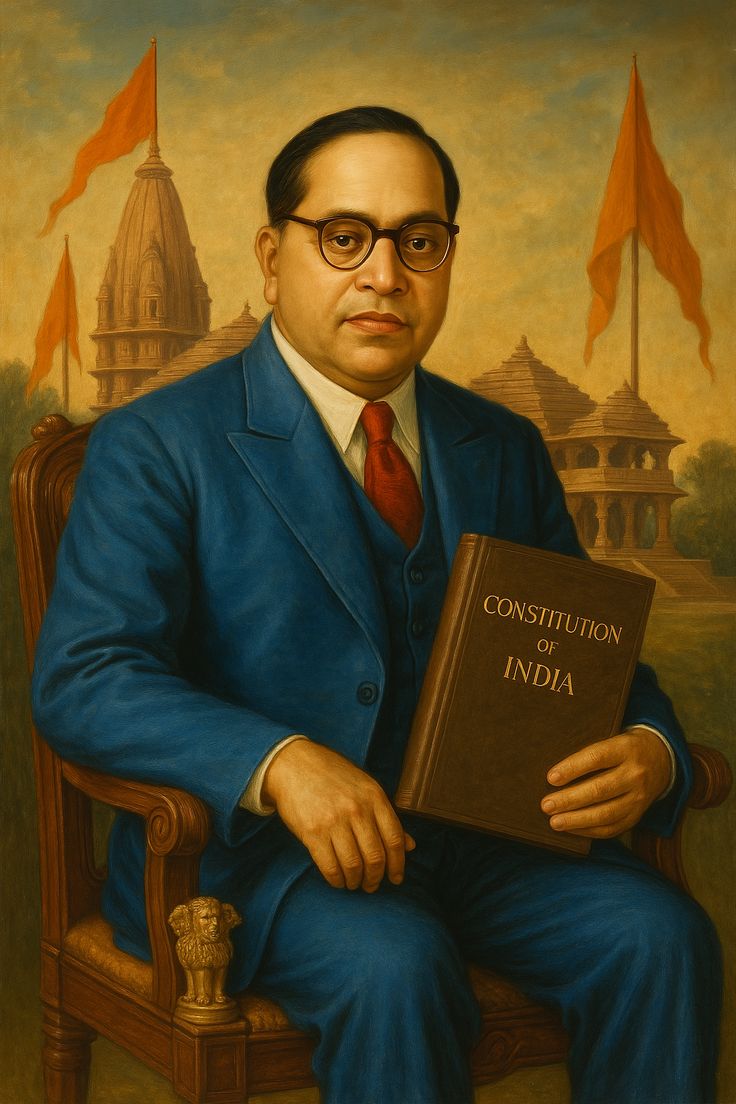
📘 Enter the Legacy of Bhimrao Ramji Ambedkar
He was born into silence — but he gave India its voice. Bhimrao Ramji Ambedkar was not just the architect of the Constitution; he was the architect of dignity, justice, and democratic awakening. His life was a rebellion against oppression, a revolution of intellect, and a roadmap for equality.
This is not just a biography. It is a journey through 9 unbreakable pillars that shaped India’s soul — from fearless scholarship to spiritual transformation. Step into the legacy. Witness the rise. Carry the flame.
👉 Scroll down to begin: “Bhimrao Ramji Ambedkar: 9 Unbreakable Pillars of Justice, Dignity, and Revolutionary Democratic Awakening”
🔷 Introduction: Bhimrao Ramji Ambedkar — The Voice That Shattered Silence
In the dusty cantonment town of Mhow, on April 14, 1891, a child was born into a world that refused to see him. His name was Bhimrao Ramji Ambedkar — and though society tried to silence him, history would remember him as the man who gave India its voice.
He was not born into privilege. He was born into pain — into a caste that was denied water, denied education, denied dignity. But from the very beginning, Ambedkar refused to accept injustice as destiny. He carried his schoolbooks in his arms because no one would touch them. He drank water from his own cloth because no one would share theirs. And yet, he rose — not with anger, but with intellect. Not with revenge, but with reform.
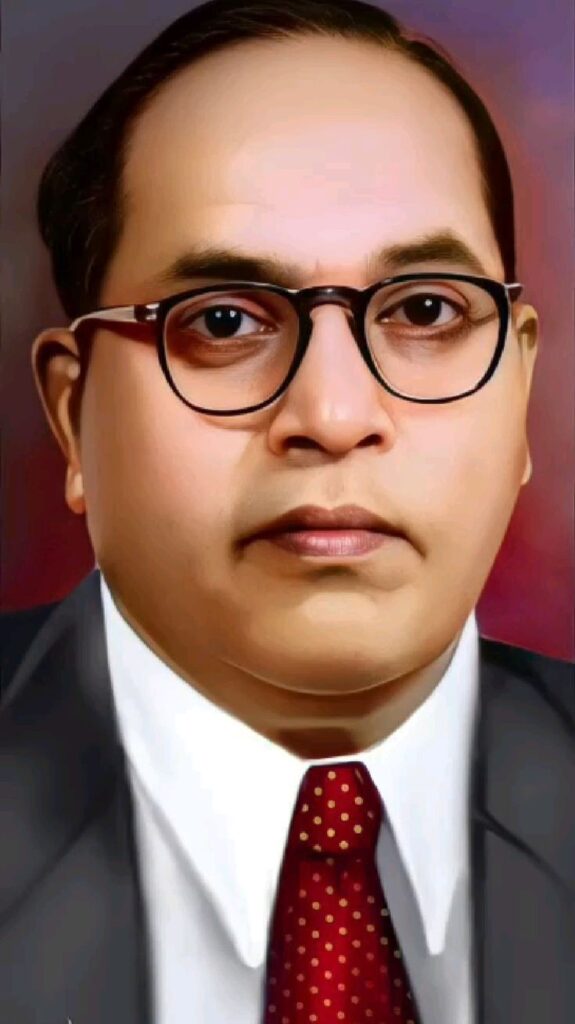
Bhimrao Ramji Ambedkar was more than a scholar. He was a fighter, a builder, a visionary. He earned doctorates from Columbia University and the London School of Economics — becoming one of the most educated men of his time. But he didn’t chase titles. He chased truth. He returned to India not to enjoy prestige, but to dismantle oppression.
He founded journals, led satyagrahas, and built institutions. He challenged the Manusmriti, not with violence, but with reason. He stood before colonial rulers and nationalist leaders alike, demanding not charity, but constitutional equality. And when India became free, it was Bhimrao Ramji Ambedkar who gave it its soul — drafting a Constitution that enshrined liberty, equality, and fraternity for all.
But his journey was never easy. He faced betrayal, isolation, and heartbreak. He resigned from Nehru’s cabinet when the Hindu Code Bill was stalled. He endured ridicule from those who feared his clarity. Yet he never stopped. In his final years, he turned to Buddhism, embracing a path of peace, dignity, and spiritual liberation — not just for himself, but for millions who followed him.
On December 6, 1956, Ambedkar left this world. But he did not leave empty-handed. He left behind a Constitution, a movement, and a message: that no human being is untouchable, and that dignity is not a privilege — it is a birthright.
Today, Bhimrao Ramji Ambedkar is not just a name in textbooks. He is a symbol of resistance, resilience, and reform. His legacy lives in every student who dares to dream, every activist who speaks truth to power, and every citizen who believes in justice.
This biography is not just a timeline. It is a tribute to a man who turned silence into speech, oppression into opportunity, and pain into power. It is a reminder that one voice — if fearless enough — can rewrite the destiny of a nation.
Table of Contents
🎙️ Bhimrao Ramji Ambedkar’s Final Call to the Nation
(Imagined in the voice and tone of Subhash Chandra Bose — November 25, 1949, Parliament House, New Delhi)
“My brothers and sisters of India — I did not come here to celebrate. I came here to warn.”
We have written a Constitution. Yes. But do not mistake ink for justice. Do not mistake paper for power. And do not mistake silence for peace.
I was born in chains. I walked through fire. I drank the poison of caste so that this nation may one day taste freedom. And today, I tell you — if you do not guard this Constitution with your lives, it will be torn apart by those who never wanted it written..
Beware the worship of men. Worship principles. Worship law. Worship liberty.
If you abandon constitutional methods, if you choose violence over reason, if you let emotion drown ethics — then you are not building a nation. You are scripting its collapse.
This Constitution is not a gift. It is a weapon. Use it. Defend it. Live by it.
I do not ask for applause. I ask for vigilance. I do not ask for loyalty. I ask for courage. And I do not ask for remembrance. I ask for resistance — against every injustice that dares to wear the mask of tradition.
Let this be my final message: Do not write the grammar of anarchy. Write the poetry of equality.
Jai Bhim. Jai Bharat.
🧒 Bhimrao Ramji Ambedkar: The Silent Fire (1891–1907)
🔹 1. Birth of a Revolutionary Soul (April 14, 1891)
On April 14, 1891, in the military cantonment town of Mhow, Central Provinces (now Madhya Pradesh), a child was born into the Mahar caste — a community branded as “untouchable” by the rigid Hindu social order. His name was Bhimrao Ramji Ambedkar.
His father, Ramji Maloji Sakpal, was a Subedar in the British Army — disciplined, devout, and determined to educate his children. His mother, Bhimabai Murbadkar Sakpal, was gentle yet resilient, nurturing her son with stories from the Ramayana, Mahabharata, and the devotional verses of Namdev, Tukaram, and Kabir.
Despite being the 14th and youngest child, Bhimrao’s spark was unmistakable. His father ensured he attended the Army school — a rare privilege for Dalits. But privilege did not mean dignity.
Ramji Sakpal was a man of vision. He believed that education was the only weapon against caste tyranny. He taught his children to read, sing devotional songs, and reflect on the teachings of saints who spoke of equality and compassion. Bhimrao absorbed these lessons deeply.
🔹 2. The Weight of Discrimination (1896–1900)
As Bhimrao entered school, the reality of caste hit him like a wall. Teachers refused to touch his notebooks. He was made to sit on the floor, away from other students. Drinking water was denied — unless poured from a height to avoid contact.
He was not allowed to enter classrooms freely. He had to wait outside until someone was willing to escort him in. Even then, he was treated as invisible.
Yet, he excelled.
He read voraciously, often borrowing books from upper-caste classmates who mocked him. His father’s insistence on education became his armor. Ramji Sakpal would sing devotional songs with his children, reminding them that God resides in all souls — not just the privileged.
This period forged Bhimrao’s inner steel. He did not rebel outwardly — he absorbed, observed, and prepared. He began to understand that knowledge was power, and that education was liberation.
🔹 3. The First Flame of Defiance (1900–1904)
By age 9, Bhimrao had already begun questioning the logic of caste. He asked his teachers why he was treated differently. He wrote essays that challenged social norms. His brilliance was undeniable — but so was the cruelty.
In Satara and later Mumbai, he continued schooling under hostile conditions. Often, he would walk miles to school, carrying his own water. He was denied entry into temples, libraries, and even playgrounds.
But he never stopped learning.
He began reading John Stuart Mill, Buddha, and Kabir, absorbing ideas of liberty, equality, and rationality. His mind was becoming a battlefield — and a sanctuary.
He started keeping notes on social injustice, caste dynamics, and the contradictions of Hindu orthodoxy. These early reflections would later evolve into his seminal works like Annihilation of Caste and Waiting for a Visa.
🔹 4. Elphinstone High School: Breaking the Barrier (1904–1907)
In 1904, Bhimrao Ramji Ambedkar enrolled in Elphinstone High School, Mumbai — a prestigious institution. Here, the discrimination was subtler but still present. He was often ignored in group activities, excluded from cultural events, and ridiculed for his background.

Yet, he rose.
He topped his class, mastered English, and began writing essays on social justice, education, and constitutional reform — long before India had a constitution.
In 1907, he passed his matriculation exam — becoming the first Dalit student in India to do so. It was not just a personal victory — it was a civilizational rupture.
This moment marked the beginning of a new era — where education became resistance, and knowledge became revolution.
His success was celebrated by reformers like Mahatma Phule’s followers, who saw in Bhimrao the fulfillment of their dream — a Dalit child who had broken the chains of caste through intellect.
🔹 5. Family Struggles and Emotional Depth
Behind Bhimrao’s academic achievements lay a home filled with hardship. His mother passed away when he was young. His siblings faced constant humiliation. The family moved frequently due to Ramji’s postings and retirement.
Despite these challenges, Ramji Sakpal remained committed to his son’s education. He sold belongings, borrowed money, and endured social isolation to ensure Bhimrao stayed in school.
Bhimrao often studied under street lamps, skipped meals, and walked barefoot to school. These sacrifices shaped his empathy, his resolve, and his lifelong commitment to uplifting the oppressed.
🔹 6. Seeds of a Future Constitutionalist
Even as a teenager, Bhimrao Ramji Ambedkar showed signs of a future constitutional thinker. He questioned authority, debated teachers, and wrote essays on law, ethics, and governance.
He was fascinated by the idea of rule of law, individual rights, and social contracts. He began to see that India needed not just freedom from colonialism — but freedom from caste.
His early writings reveal a mind already grappling with structural inequality, legal reform, and moral philosophy.
🔹 7. Legacy of the First 16 Years
By 1907, Bhimrao had laid the foundation for a life that would change India forever. He had endured humiliation, poverty, and exclusion — but had emerged with brilliance, compassion, and vision.
His early life was not just a personal journey — it was a symbolic ascent for millions of Dalits who saw in him their own struggle, their own hope.
He proved that birth does not define destiny, and that education is the greatest weapon against oppression.
📚 Book References and Sources
- Waiting for a Visa by Bhimrao Ramji Ambedkar
- The Essential Writings of B.R. Ambedkar edited by Valerian Rodrigues
- B. R. Ambedkar – Wikipedia
- Babasaheb Ambedkar Biography – Cultural India
- Timeline of Dr. Bhimrao Ambedkar – Sonika Lakhera
📘 The Journey Continues
Bhimrao Ramji Ambedkar’s early life was a silent revolution. But the fire was just beginning. In the next chapter, we explore his transformative years abroad — from Columbia University to London — where he sharpened his intellect and prepared to rewrite India’s destiny.
👉 Scroll down to read: “Bhimrao Ramji Ambedkar: The Scholar Who Challenged Empires (1908–1917)”
🎓 Bhimrao Ramji Ambedkar: The Scholar Who Challenged Empires (1908–1917)
🔹 1. Bhimrao Ramji Ambedkar Enters Elphinstone College (1908–1912)
In the year 1908, Bhimrao Ramji Ambedkar crossed a threshold that few from his community had ever imagined. He entered Elphinstone College, affiliated with the University of Bombay. This was not just an academic milestone — it was a symbolic rupture in the caste-bound fabric of colonial India.
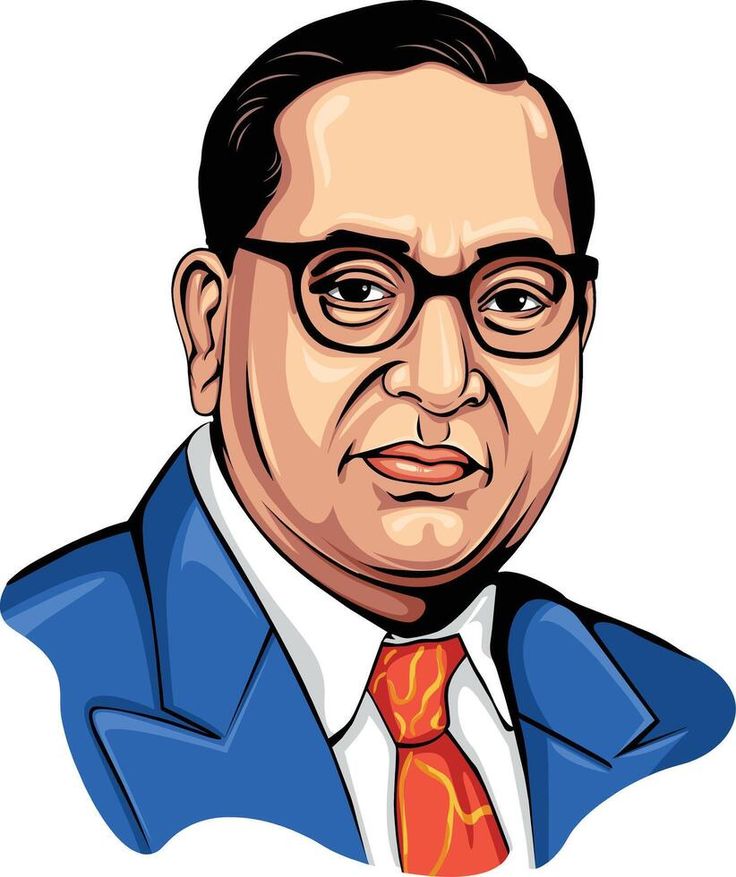
Bhimrao Ramji Ambedkar chose to study Economics and Political Science, subjects that would later become the intellectual scaffolding of his constitutional vision. But his journey was far from easy. Even within the college walls, Bhimrao Ramji Ambedkar faced exclusion, humiliation, and isolation. He was denied hostel accommodation, shunned by classmates, and forced to study in solitude.
Yet, Bhimrao Ramji Ambedkar remained undeterred. He immersed himself in books, mastering not only his core subjects but also philosophy, history, and law. He began to understand the deep connections between caste, economy, and governance — insights that would later shape his revolutionary writings.
In 1912, Bhimrao Ramji Ambedkar graduated with distinction. His degree was not just a personal achievement — it was a declaration that intellect could defy centuries of oppression.
🔹 2. Bhimrao Ramji Ambedkar Receives the Baroda State Scholarship (1913)
In 1913, a transformative opportunity arrived for Bhimrao Ramji Ambedkar. He was awarded the Baroda State Scholarship by Maharaja Sayajirao Gaekwad III — a progressive ruler who believed in education as a tool for social reform.
This scholarship enabled Bhimrao Ramji Ambedkar to study abroad for three years, covering tuition, travel, and living expenses. It was more than financial aid — it was a lifeline. It allowed Bhimrao Ramji Ambedkar to escape the confines of caste-based discrimination and enter the global academic arena.
The scholarship marked the beginning of Bhimrao Ramji Ambedkar’s transformation from a marginalized student into a global scholar and reformer.
🔹 3. Bhimrao Ramji Ambedkar at Columbia University (1913–1916)
In July 1913, Bhimrao Ramji Ambedkar arrived in New York City and enrolled at Columbia University. For the first time, he experienced a society that did not judge him by caste. This cultural shift was liberating and deeply transformative.
At Columbia, Bhimrao Ramji Ambedkar studied under renowned thinkers like John Dewey, whose ideas on democracy and education profoundly shaped his worldview. His coursework included:
- Economics
- Sociology
- Philosophy
- History
- Political Theory
- Public Administration
In 1915, Bhimrao Ramji Ambedkar earned his MA in Economics, submitting a thesis titled “Ancient Indian Commerce” — a pioneering work that challenged colonial narratives by highlighting India’s rich economic history.
In 1916, Bhimrao Ramji Ambedkar presented his seminal paper “Castes in India: Their Mechanism, Genesis and Development”, where he argued that caste was a social construct maintained through endogamy and exclusion. This paper was a bold intellectual strike against centuries of oppression and remains one of the most cited works in caste studies.
These years at Columbia were pivotal in Bhimrao Ramji Ambedkar’s higher education journey. He not only gained academic credentials but also developed the philosophical and legal framework that would later shape modern India.
🔹 4. Bhimrao Ramji Ambedkar’s Life in America
Bhimrao Ramji Ambedkar’s time in America was intellectually enriching but emotionally challenging. He missed his family, especially his wife Ramabai, who remained in India under difficult conditions. His letters from this period reveal a man torn between personal longing and scholarly ambition.
He often skipped meals to buy books, studied late into the night, and walked long distances to attend lectures. He observed racial dynamics in America and began comparing them with caste in India, concluding that while race was visible, caste was insidious and equally destructive.
These reflections would later inform Bhimrao Ramji Ambedkar’s comparative writings on race and caste, adding depth to his legacy as a Dalit scholar and global thinker.
🔹 5. Bhimrao Ramji Ambedkar Moves to London (1916–1917)
In October 1916, Bhimrao Ramji Ambedkar moved to London, enrolling simultaneously at:
- London School of Economics (LSE) for a D.Sc. in Economics
- Gray’s Inn to become a Barrister-at-Law
At LSE, Bhimrao Ramji Ambedkar studied under Edwin Cannan, focusing on public finance, monetary policy, and labor economics. At Gray’s Inn, he delved into British constitutional law, jurisprudence, and comparative legal systems.
Bhimrao Ramji Ambedkar’s goal was clear: to equip himself with the legal and economic tools necessary to reconstruct Indian society. He envisioned a future where law would protect the marginalized and economics would empower the poor.

However, in 1917, Bhimrao Ramji Ambedkar was recalled by the Baroda state to fulfill his service obligation. Though he had to leave his studies unfinished, the intellectual foundation he built during this period would later guide his work as India’s first Law Minister and chief architect of the Constitution.
🔹 6. Legacy of Bhimrao Ramji Ambedkar’s Scholar Years
By 1917, Bhimrao Ramji Ambedkar had become one of the most educated Indians of his time. His academic achievements included:
- BA in Economics and Political Science (Bombay)
- MA in Economics (Columbia)
- Thesis: Ancient Indian Commerce
- Paper: Castes in India
- Partial D.Sc. in Economics (LSE)
- Legal training at Gray’s Inn
But more than degrees, Bhimrao Ramji Ambedkar had gained clarity, courage, and conviction. He returned to India not as a colonial subject, but as a scholar prepared to challenge empires and rewrite history.
His education was not just personal — it was political. It was a weapon against caste, a shield for the oppressed, and a blueprint for a just society.
🔹 7. Emotional Undercurrents and Human Touch
Behind the academic brilliance was a man carrying the weight of centuries of injustice. Bhimrao Ramji Ambedkar studied not for prestige, but for purpose. He once said:
“Cultivation of mind should be the ultimate aim of human existence.”
His journey from Elphinstone to Columbia and London was not just geographical — it was spiritual, intellectual, and revolutionary.
Bhimrao Ramji Ambedkar became the voice of the voiceless, the mind of the marginalized, and the architect of India’s moral awakening.
📚 References
- Bhimrao Ramji Ambedkar Education Timeline – Mankar365 News
- Dr. Ambedkar’s Education Degree List – Ambedkarite Today
- Educational Qualification of Bhimrao Ramji Ambedkar – Scientific Diary
📘 The Journey Continues
Bhimrao Ramji Ambedkar’s years abroad shaped him into a scholar, a reformer, and a revolutionary. But the real battle awaited him in India. In the next chapter, we explore his return to Baroda, the humiliation he faced, and how he transformed pain into purpose.
👉 Scroll down to read: “ 1918–1929: Return to India and Early Activism”
🔥 Bhimrao Ramji Ambedkar: The Fire Within (1918–1929)
🔹 1918: Bhimrao Ramji Ambedkar Returns to India
In 1918, Bhimrao Ramji Ambedkar returned to India after years of rigorous study in New York and London. He carried not just degrees but a burning vision for social transformation. Appointed Professor of Political Economy at Sydenham College, Mumbai, Bhimrao Ramji Ambedkar became the first Dalit to hold such a position in British India.
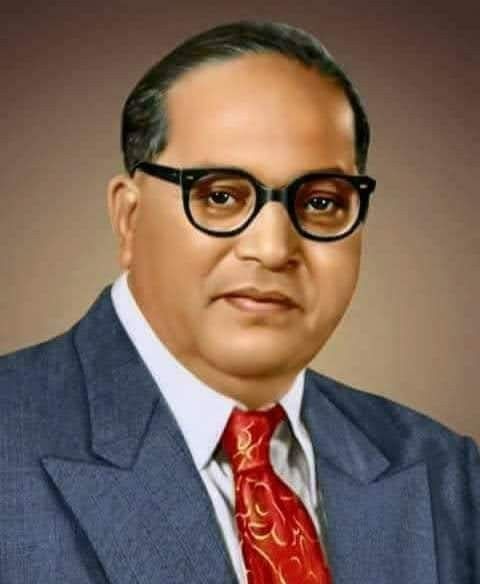
Despite his qualifications, Bhimrao Ramji Ambedkar faced hostility from colleagues and students who refused to share water or sit beside him. Yet, Bhimrao Ramji Ambedkar taught with dignity, using economics to expose the roots of poverty and caste-based exclusion. His lectures were not just academic — they were acts of resistance.
This year marked the beginning of Bhimrao Ramji Ambedkar’s public life — a life that would challenge centuries of oppression.
🔹 1920: Bhimrao Ramji Ambedkar Launches Mooknayak
In 1920, Bhimrao Ramji Ambedkar launched the Marathi journal Mooknayak (“Leader of the Voiceless”) to amplify the voices of the oppressed. It was more than a publication — it was a platform for truth.
Through Mooknayak, Bhimrao Ramji Ambedkar wrote fearlessly about caste injustice, untouchability, and the need for education. He criticized both colonial rule and Hindu orthodoxy, calling for a new India built on equality.
The journal reached villages, schools, and reform circles, igniting a consciousness among Dalits that they were not alone — and that change was possible.
🔹 1923: Bhimrao Ramji Ambedkar Earns D.Sc. from LSE
Though recalled to India in 1917, Bhimrao Ramji Ambedkar never abandoned his academic pursuit. In 1923, he completed his Doctor of Science in Economics from the London School of Economics, submitting a thesis on The Problem of the Rupee.
This achievement made Bhimrao Ramji Ambedkar one of the most educated Indians of his time. His work on currency and public finance was praised by British economists and later used in shaping India’s monetary policy.
Returning permanently to India, Bhimrao Ramji Ambedkar was now armed with global knowledge and a sharpened mission: to dismantle caste and build constitutional justice.
🔹 1924: Bhimrao Ramji Ambedkar Founds Bahishkrit Hitakarini Sabha
In 1924, Bhimrao Ramji Ambedkar founded the Bahishkrit Hitakarini Sabha (“Society for the Welfare of the Excluded”) — the first organized institution focused on Dalit upliftment.
The Sabha provided:
- Free education for Dalit children
- Legal aid for victims of caste violence
- Public lectures on rights and reform
- Advocacy for temple entry and water access
Bhimrao Ramji Ambedkar believed that education, agitation, and organization were the pillars of liberation. The Sabha became a beacon of hope for thousands who had been denied dignity.
🔹 1927: Bhimrao Ramji Ambedkar Leads Mahad Satyagraha
In 1927, Bhimrao Ramji Ambedkar led the historic Mahad Satyagraha — a nonviolent protest demanding Dalit access to the Chowdar Tank, a public water source in Mahad, Maharashtra.
Despite legal permission, upper-caste mobs attacked the protestors. But Bhimrao Ramji Ambedkar stood firm. He drank from the tank, declaring:
“We are not inferior. We claim our rights as human beings.”
This act was revolutionary. It redefined civil disobedience in India — not just against colonialism, but against caste tyranny.

The Mahad Satyagraha became a turning point in Dalit history, and Bhimrao Ramji Ambedkar emerged as a fearless leader of social justice.
🔹 1929: Bhimrao Ramji Ambedkar Burns Manusmriti
In 1929, during a public gathering in Mahad, Bhimrao Ramji Ambedkar led the symbolic burning of the Manusmriti — the ancient Hindu text that codified caste hierarchy and untouchability.
This act was not against religion — it was against oppression.
Bhimrao Ramji Ambedkar declared:
“We burn this book to light the fire of equality.”
The burning of Manusmriti shocked orthodox circles but inspired reformers across India. It was a bold rejection of spiritual slavery and a call for moral revolution.
🔹 Emotional Undercurrents and Human Touch
Between 1918 and 1929, Bhimrao Ramji Ambedkar was not just a scholar or activist — he was a man carrying the pain of millions. He faced rejection, ridicule, and loneliness. His wife Ramabai suffered silently as he traveled, wrote, and fought.
Yet, Bhimrao Ramji Ambedkar never gave up. He believed that dignity was a birthright, not a privilege. His speeches were filled with fire, but his actions were rooted in compassion.
He built institutions, led movements, and wrote with clarity — all while enduring personal grief and public hostility.
🔹 Legacy of Bhimrao Ramji Ambedkar’s Early Activism
By 1929, Bhimrao Ramji Ambedkar had become the most prominent Dalit leader in India. He had:
- Challenged caste in classrooms
- Amplified voices through journalism
- Built institutions for empowerment
- Led mass movements for civil rights
- Rejected oppressive scriptures with courage
His activism was not just political — it was spiritual, intellectual, and deeply human. Bhimrao Ramji Ambedkar had laid the foundation for a constitutional revolution.
📚 References
- Waiting for a Visa by Bhimrao Ramji Ambedkar
- The Essential Writings of B.R. Ambedkar edited by Valerian Rodrigues
- Timeline of Dr. Bhimrao Ambedkar – Sonika Lakhera
- Important Events of Dr. Ambedkar’s Life – BRAmbedkar.in
- Timeline for Dr. Bhimrao Ramji Ambedkar – Timetoast
- Mahad Satyagraha – Wikipedia
- Why Dr. Ambedkar Burnt Manusmriti – BRAmbedkar.in
- Bahishkrit Hitakarini Sabha – Wikipedia
📘 The Journey Continues
Bhimrao Ramji Ambedkar’s early activism laid the foundation for a constitutional revolution. In the next chapter, we explore his political rise, the Poona Pact, and his vision for democratic India.
👉 Scroll down to read: “Bhimrao Ramji Ambedkar: The Constitution Begins (1930–1947)”
🏛️ Bhimrao Ramji Ambedkar: The Constitution Begins (1930–1946)
🔹 1930: Bhimrao Ramji Ambedkar at the First Round Table Conference
In 1930, Bhimrao Ramji Ambedkar emerged as a global voice for the oppressed. He was invited to the First Round Table Conference in London, representing the Depressed Classes of India. This was the first time a Dalit leader had spoken on an international platform about caste injustice.
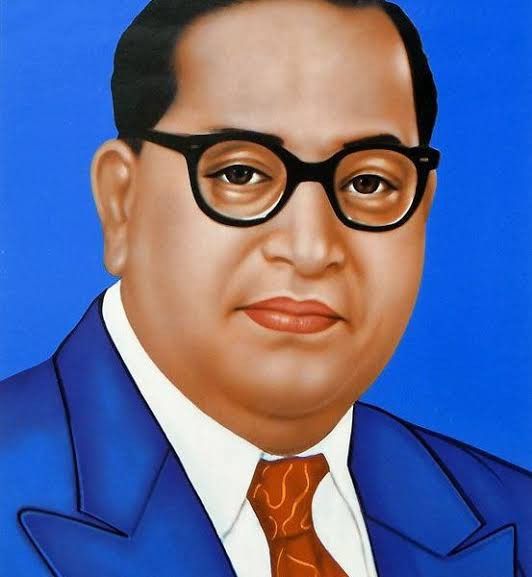
Bhimrao Ramji Ambedkar demanded separate electorates for the Depressed Classes, arguing that political representation was essential for social dignity. He declared that India’s independence must include the liberation of its most marginalized. His speech was bold, uncompromising, and historic.
Bhimrao Ramji Ambedkar’s presence at the conference challenged both British colonialists and Indian nationalists. He made it clear that freedom without equality was hollow, and that true Swaraj must be inclusive.
🔹 1932: Bhimrao Ramji Ambedkar and the Poona Pact
In 1932, Bhimrao Ramji Ambedkar faced one of the most emotionally charged moments of his life. After the British government accepted his demand for separate electorates, Mahatma Gandhi launched a fast unto death in Yerwada Jail, opposing the move.
Under immense pressure, Bhimrao Ramji Ambedkar agreed to negotiate. The result was the Poona Pact, signed on September 24, 1932, which replaced separate electorates with reserved seats for Dalits in legislative councils, elected by joint electorates.
Though criticized by some, Bhimrao Ramji Ambedkar saw the pact as a strategic compromise — preserving representation while avoiding national division. He later wrote:
“I was prepared to save Gandhi from death. But I was not prepared to save caste from destruction.”
The Poona Pact remains a landmark in India’s political history, and Bhimrao Ramji Ambedkar’s role in it was both courageous and complex.
🔹 1936: Bhimrao Ramji Ambedkar Founds the Independent Labour Party
In 1936, Bhimrao Ramji Ambedkar founded the Independent Labour Party (ILP) — a political platform that combined Dalit rights with labor justice. The ILP was unique: it addressed caste, class, and colonialism in one voice.
Bhimrao Ramji Ambedkar believed that economic liberation was inseparable from social equality. The ILP opposed landlordism, supported workers’ rights, and demanded legal reforms to protect the poor.
Through fiery speeches and sharp writings, Bhimrao Ramji Ambedkar mobilized thousands. The ILP became a force in Bombay politics, and Bhimrao Ramji Ambedkar emerged as a leader who could unite oppressed communities across caste lines.
🔹 1937: Bhimrao Ramji Ambedkar in the Bombay Legislative Assembly
In 1937, Bhimrao Ramji Ambedkar was elected to the Bombay Legislative Assembly from the Byculla constituency. He became the Leader of the Opposition, using the assembly floor to challenge discriminatory laws and expose social injustice.
Bhimrao Ramji Ambedkar’s speeches were sharp, data-driven, and morally compelling. He fought for:
- Temple entry rights
- Abolition of untouchability
- Land reforms
- Labor protections
- Education for Dalits
He also introduced bills to outlaw forced labor and improve working conditions. Bhimrao Ramji Ambedkar’s presence in the legislature was a voice of conscience — relentless, rational, and revolutionary.
🔹 1942–1946: Bhimrao Ramji Ambedkar as Labour Minister
From 1942 to 1946, Bhimrao Ramji Ambedkar served as Labour Member in the Viceroy’s Executive Council — the highest administrative body under British rule. This was a critical phase in his career.

As Labour Minister, Bhimrao Ramji Ambedkar:
- Drafted India’s first National Employment Policy
- Advocated for minimum wages and maternity benefits
- Supported industrial safety laws
- Pushed for equal pay for equal work
- Initiated water and power projects for rural development
He also laid the groundwork for India’s future labor laws, many of which remain in force today. Bhimrao Ramji Ambedkar used his position not for prestige, but for policy transformation.
His tenure proved that Dalit leadership could deliver governance with vision and integrity.
🔹 Emotional Undercurrents and Human Touch
Between 1930 and 1946, Bhimrao Ramji Ambedkar faced immense political pressure. He was attacked by the press, sidelined by Congress, and misunderstood by many. Yet, he remained focused.
His personal life was marked by grief — his wife Ramabai passed away in 1935. Bhimrao Ramji Ambedkar mourned privately, even as he led publicly. He wrote, spoke, and legislated with a sense of urgency, knowing that millions depended on his voice.
His resilience was not just political — it was deeply human.
🔹 Legacy of Bhimrao Ramji Ambedkar’s Political Rise
By 1946, Bhimrao Ramji Ambedkar had become India’s foremost constitutional thinker. He had:
- Represented Dalits internationally
- Negotiated with Gandhi
- Built a political party
- Legislated for justice
- Governed with integrity
His journey was not about power — it was about principle. Bhimrao Ramji Ambedkar proved that politics could be a tool for transformation, not just administration.
He was now ready for the next chapter: drafting the soul of India.
📘 The Journey Continues
Bhimrao Ramji Ambedkar’s political rise laid the foundation for constitutional revolution. In the next chapter, we explore his role as India’s Law Minister, the drafting of the Constitution, and the birth of a new republic.
👉 Scroll down to read: “Bhimrao Ramji Ambedkar: The Architect of Equality (1947–1951)”
📜 The Architect of Equality (1947–1951)
🔹 1947: A New Nation, A New Mission
On August 15, 1947, India awakened to freedom. Amid the celebrations, a quiet revolution unfolded — a man who had once been denied entry into schools and temples was now entrusted with shaping the laws of a sovereign republic. He became the country’s first Law Minister.
His appointment wasn’t just symbolic. It was a declaration that the new India would be built not on privilege, but on principle. He accepted the role with humility and resolve, knowing that legal reform was the key to social transformation.

In the cabinet, he began drafting bills to abolish untouchability, guarantee civil liberties, and modernize the legal system. His presence was not just administrative — it was revolutionary.
🔹 1947–1950: Drafting the Soul of India
On August 29, 1947, he was appointed Chairman of the Drafting Committee of the Constituent Assembly. The task before him was monumental: to craft a Constitution for a nation of contradictions — ancient yet modern, diverse yet united, wounded yet hopeful.
He studied global charters, consulted legal scholars, and debated tirelessly. His vision was clear:
- A Constitution that guaranteed equality
- A framework that protected liberty
- A document that uplifted the marginalized
He ensured the inclusion of:
- Article 17: Abolition of untouchability
- Article 15: Prohibition of discrimination
- Article 32: Right to constitutional remedies
- Directive Principles: Guidelines for social justice
His legal brilliance and moral clarity earned him the title “Father of the Indian Constitution.”
🔹 1948–1950: Defending the Vision
As the draft Constitution was debated, he stood firm. Critics came from all sides — conservatives feared change, radicals demanded more. But he defended every clause with logic, compassion, and conviction.
He argued that the Constitution must be flexible yet firm, inclusive yet principled. His speeches were masterclasses in law and ethics. He reminded the Assembly:
“Political democracy cannot last unless there lies at the base of it social democracy.”
His defense wasn’t just legal — it was philosophical. He wasn’t just writing a document; he was scripting a moral revolution.
🔹 January 26, 1950: The Dream Realized
On Republic Day, the Constitution came into effect. India became a sovereign democratic republic. The document he had crafted now governed a billion dreams.
It guaranteed:
- Equality before law
- Freedom of speech and religion
- Protection against discrimination
- Rights to education and employment
He had transformed India from a land of caste into a land of rights. The Constitution wasn’t just a legal text — it was a promise.
🔹 1951: The Hindu Code Bill and Resignation
In 1951, he introduced the Hindu Code Bill — a bold attempt to reform personal laws. It aimed to:
- Grant equal inheritance rights to women
- Legalize inter-caste marriages
- Abolish polygamy
- Ensure divorce rights
The bill faced fierce opposition. Despite his passionate defense, Parliament stalled it. Disillusioned, he resigned as Law Minister on October 6, 1951.
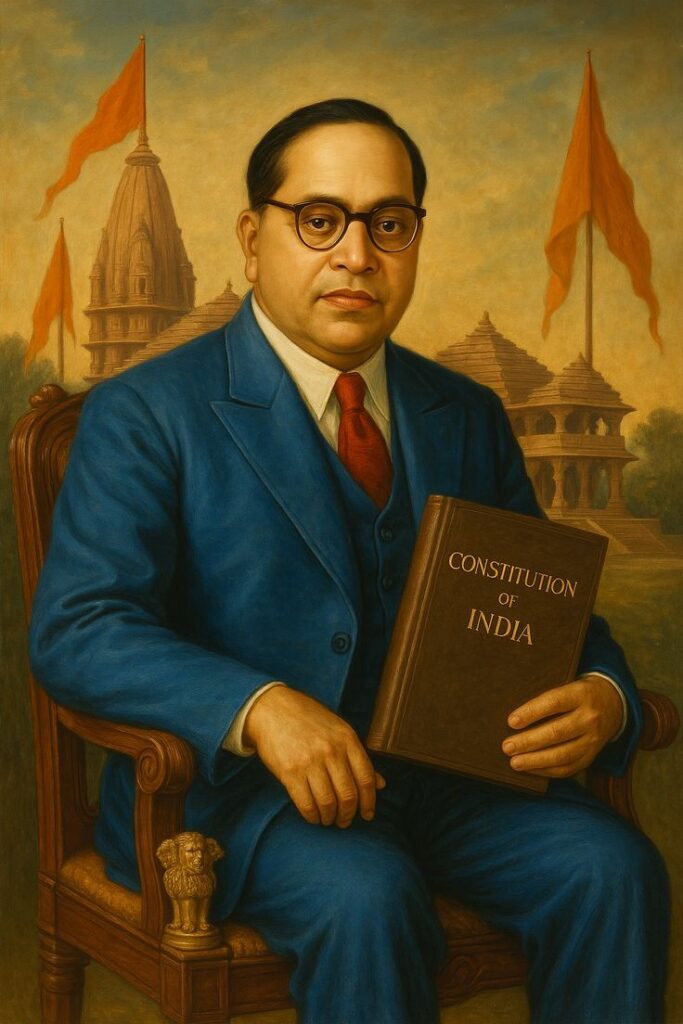
His resignation was a protest — a final act of integrity. He wrote:
“I will not be a mute spectator to the denial of justice.”
🔹 Personal Struggles and Emotional Depth
These years were not easy. He battled diabetes, political isolation, and personal grief. His wife Ramabai had passed away in 1935, and loneliness often shadowed his work.
Yet, he never stopped. He wrote, spoke, and legislated with urgency. His resilience was not just political — it was deeply human.
He carried the hopes of millions, and he bore that weight with grace.
🔹 Legacy of a Lawgiver
By 1951, he had:
- Drafted the world’s longest written Constitution
- Abolished untouchability through law
- Protected civil liberties for all citizens
- Challenged patriarchy through legal reform
- Resigned with dignity when justice was denied
His legacy was not just legal — it was moral, spiritual, and eternal. He had given India its soul.
📚 References
- The Essential Writings of B.R. Ambedkar edited by Valerian Rodrigues
- Ambedkar: Towards an Enlightened India by Gail Omvedt
- Dr. Ambedkar Foundation – Government of India
- Constituent Assembly Debates – Ambedkar.org
📘 The Journey Continues
His constitutional legacy shaped India’s democracy. In the next chapter, we explore his final years, his conversion to Buddhism, and the spiritual revolution he ignited.
👉 Scroll down to read: “The Last Revolution (1952–1956)”
🧘 Bhimrao Ramji Ambedkar: The Last Revolution (1952–1956)
🔹 1. 1952: A Voice in the Rajya Sabha
In 1952, Bhimrao Ramji Ambedkar was elected to the Rajya Sabha from Bombay State. Though no longer part of Nehru’s cabinet, his presence in Parliament remained formidable. He used the upper house as a platform to continue his fight for justice — raising issues of caste discrimination, land reform, labor rights, and education.

His speeches were sharp, data-driven, and morally uncompromising. He challenged the complacency of post-independence India, reminding lawmakers that political freedom without social equality was a betrayal of the Constitution.
Despite declining health, he remained active — drafting bills, mentoring young leaders, and writing prolifically. His voice in the Rajya Sabha was not just political — it was prophetic.
🔹 2. 1954–1956: Writing “The Buddha and His Dhamma”
During these years, Bhimrao Ramji Ambedkar turned inward — toward philosophy, reflection, and spiritual inquiry. He began writing The Buddha and His Dhamma, his final and most personal work. It was not just a biography — it was a manifesto.
In this book, he reinterpreted Buddhism as a path of rationality, compassion, and social justice. He rejected metaphysical dogma and emphasized:
- Morality over ritual
- Compassion over caste
- Wisdom over blind faith
He saw in the Buddha a revolutionary — someone who challenged Brahminical orthodoxy and offered liberation to the oppressed. His Buddhism was not ancient — it was urgent.
He called it Navayana — the “New Vehicle” — a modern reinterpretation of Buddhist thought for a caste-ridden society.
🔹 3. October 14, 1956: The Great Conversion
On this historic day, Bhimrao Ramji Ambedkar stood before a crowd of over 500,000 followers in Nagpur. With solemn resolve, he renounced Hinduism and embraced Navayana Buddhism — a spiritual revolution that shook the foundations of Indian society.
He took 22 vows, rejecting caste, idol worship, and Brahminical authority. He declared:
“I will not die a Hindu, for it is a religion of slavery.”
The mass conversion was unprecedented. Thousands followed him — Dalits, workers, students, women — all seeking dignity, equality, and liberation.
This was not just a religious act. It was a civilizational rupture. Bhimrao Ramji Ambedkar had turned his personal pain into collective empowerment.
🔹 4. The 22 Vows: A Blueprint for Liberation
The vows he took were not symbolic — they were strategic. Each vow dismantled a pillar of caste ideology:
- Rejection of Brahma, Vishnu, Mahesh
- Refusal to worship Hindu gods
- Commitment to Buddhist ethics
- Pledge to fight caste until death
These vows became the spiritual constitution of Dalit Buddhism. They offered not just faith, but freedom.
🔹 5. Final Days: Silence and Strength
After the conversion, Bhimrao Ramji Ambedkar’s health deteriorated rapidly. He suffered from diabetes, blindness, and exhaustion. Yet, he continued to write, meet followers, and plan for the future.

His final days were marked by solitude and reflection. He spoke of mortality, legacy, and the need for moral courage. He knew his time was short, but his mission was eternal.
He once said:
“My final battle is not against caste alone. It is against ignorance, fear, and submission.”
🔹 6. December 6, 1956: The Final Silence
Just weeks after the conversion, Bhimrao Ramji Ambedkar passed away in Delhi at the age of 65. His body was cremated at Chaitya Bhoomi in Mumbai, now a sacred site of pilgrimage.
His death was mourned across the nation. But his legacy was immortal.
He had:
- Fought caste with law
- Fought patriarchy with reform
- Fought ignorance with education
- Fought despair with philosophy
His final years were not a retreat — they were a crescendo. He had given India not just a Constitution, but a conscience.
🔹 7. Chaitya Bhoomi: A Sacred Memory
Chaitya Bhoomi is more than a memorial — it is a movement. Every year, millions gather to pay tribute, reflect, and renew their commitment to justice.
The site symbolizes:
- The fusion of law and spirituality
- The triumph of dignity over discrimination
- The continuity of Bhimrao Ramji Ambedkar’s revolution
It is a living testament to his final vow: that no soul should suffer in silence.
🔹 8. Legacy of the Last Revolution
Between 1952 and 1956, Bhimrao Ramji Ambedkar:
- Reclaimed spiritual agency for the oppressed
- Reinterpreted Buddhism for modern India
- Led the largest religious conversion in Indian history
- Passed away as a monk, a reformer, and a liberator
His legacy is not confined to statues or textbooks. It lives in every act of resistance, every voice that demands justice, every soul that seeks freedom.
He was not just a leader — he was a light.
📚 References
- The Buddha and His Dhamma by Bhimrao Ramji Ambedkar
- Ambedkar: Towards an Enlightened India by Gail Omvedt
- Chaitya Bhoomi – Official Site
- Navayana Buddhism – Wikipedia
- Ambedkar’s 22 Vows – Ambedkarite Today
📘 The Journey Lives On
His final act was not an ending — it was a beginning. In the next chapter, we explore how Bhimrao Ramji Ambedkar’s legacy continues to shape modern India through movements, memory, and moral courage.
👉 Scroll down to read: “Bhimrao Ramji Ambedkar: Legacy Beyond Life (1957–Present)”
🌱 Bhimrao Ramji Ambedkar: Legacy Beyond Life (1957–Present)
🔹 1. The Day After: Mourning and Mobilization
On December 7, 1956, the day after Bhimrao Ramji Ambedkar’s passing, Mumbai witnessed a sea of mourners. Over half a million people gathered at Dadar’s Chowpatty to pay their respects. His body, draped in the Indian flag and the Buddhist saffron robe, was cremated at what is now Chaitya Bhoomi.
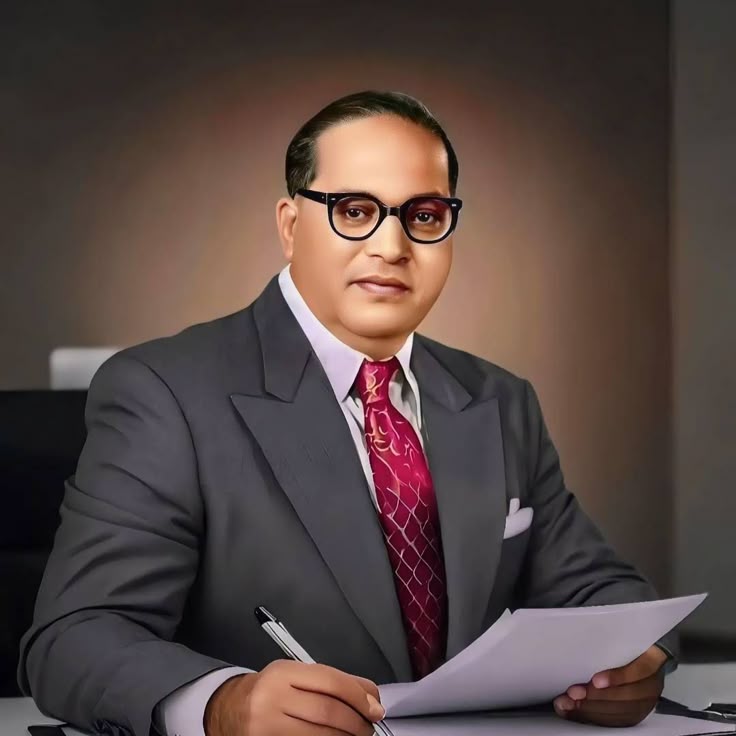
But this was not the end. It was the beginning of a new chapter — one where his ideas would outlive his body, and his revolution would outgrow his lifetime.
🔹 2. Rise of Dalit Buddhism
After the mass conversion in Nagpur, the movement didn’t stop. It spread across Maharashtra, Uttar Pradesh, Madhya Pradesh, and beyond. Millions embraced Navayana Buddhism, inspired by Bhimrao Ramji Ambedkar’s 22 vows and his reinterpretation of the Buddha’s teachings.
Dalit Buddhism became a force of cultural assertion:
- New viharas (monasteries) were built
- Ambedkarite festivals replaced caste rituals
- Buddhist names, symbols, and practices became part of everyday life
This was not just a religious shift — it was a civilizational reorientation. It gave the oppressed a new identity, rooted in dignity and reason.
🔹 3. Political Echoes: From RPI to Bahujan Movements
In 1957, the Republican Party of India (RPI) was formed, based on Bhimrao Ramji Ambedkar’s vision of social democracy. Though fragmented over time, the RPI laid the foundation for future Bahujan politics.
His ideas later inspired:
- Kanshi Ram’s BAMCEF and BSP
- Mayawati’s rise as Chief Minister of Uttar Pradesh
- Dalit Panthers in the 1970s, who fused Ambedkarite thought with Black Power and Marxist ideas
Across decades, Bhimrao Ramji Ambedkar’s political philosophy — rooted in liberty, equality, and fraternity — became the ideological backbone of India’s most powerful social justice movements.
🔹 4. Cultural Renaissance: Statues, Songs, and Cinema
From village squares to university campuses, his statues stand tall — often with the Constitution in one hand and a raised finger in the other. These are not mere memorials; they are symbols of resistance.
His legacy permeates:
- Folk songs and powadas in Maharashtra
- Dalit literature in Tamil, Marathi, and Hindi
- Films and documentaries that narrate his life and thought
- Street art and murals that reclaim public spaces
Bhimrao Ramji Ambedkar became more than a historical figure — he became a cultural icon.
🔹 5. Educational Impact: From Night Schools to Universities
He believed that “cultivation of the mind should be the ultimate aim of human existence.” That belief sparked an educational revolution.
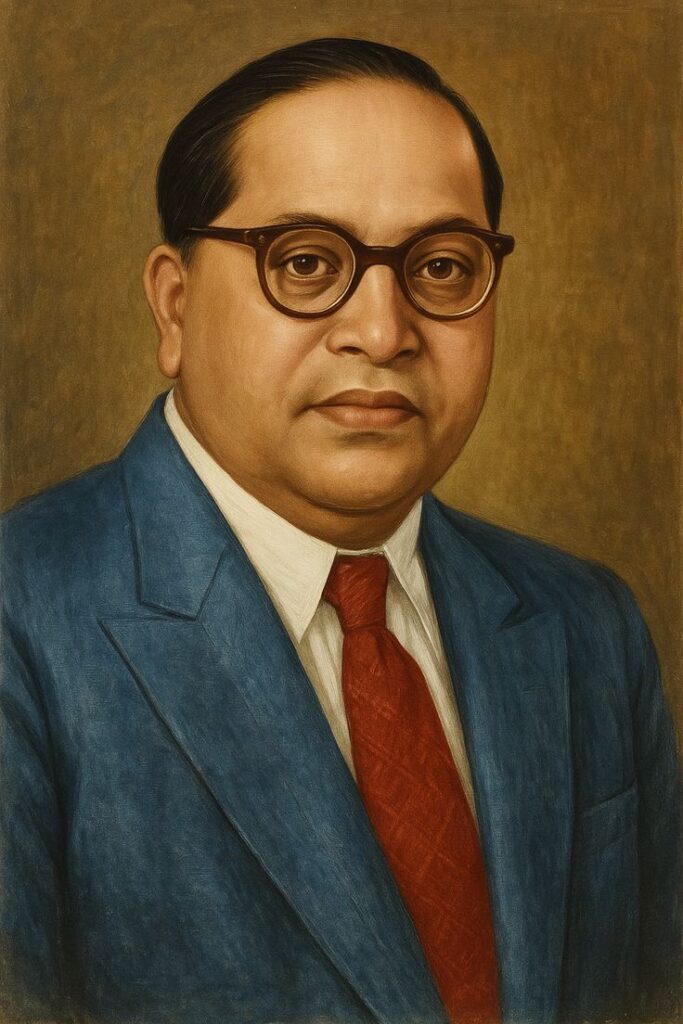
Post-1956, thousands of Ambedkarite students pursued education as a form of resistance. Night schools, hostels, and study circles emerged across India.
Today, his name graces:
- Dr. Babasaheb Ambedkar Marathwada University
- Ambedkar University Delhi
- Ambedkar Chairs in global institutions
- Thousands of scholarships and fellowships
His dream of an educated, awakened community continues to unfold.
🔹 6. Global Recognition and Influence
Bhimrao Ramji Ambedkar’s legacy transcended borders. His writings were translated into multiple languages. His bust was installed at the UN headquarters in New York. Scholars across the world — from Columbia to Tokyo — study his work on caste, democracy, and constitutionalism.
He is now recognized as:
- A pioneer of human rights
- A global anti-caste philosopher
- A visionary of inclusive democracy
His ideas resonate with movements for racial justice, indigenous rights, and gender equality worldwide.
🔹 7. Digital Ambedkar: The Online Revolution
In the 21st century, Bhimrao Ramji Ambedkar’s legacy found new life online. Social media became a battlefield of ideas — and his followers were ready.
- Ambedkarite YouTube channels educate millions
- Instagram pages and reels celebrate his quotes and milestones
- Twitter threads dissect his writings
- Online archives preserve his speeches, letters, and books
The digital age amplified his voice — making him accessible to a new generation.
🔹 8. Chaitya Bhoomi and Deekshabhoomi: Sacred Geography
Every year, millions gather at Chaitya Bhoomi (Mumbai) and Deekshabhoomi (Nagpur) to honor his memory. These sites are not just places — they are pilgrimages of purpose.
They symbolize:
- The fusion of law and spirituality
- The continuity of his revolution
- The collective memory of resistance
These spaces are living testaments to his enduring presence.
🔹 9. The Constitution as a Living Document
Perhaps his greatest legacy is the Constitution of India. It continues to be:
- A shield for the marginalized
- A sword against injustice
- A mirror for the nation’s conscience
Every time a citizen asserts their rights, every time a court upholds liberty, every time a protest invokes equality — Bhimrao Ramji Ambedkar lives on.
🔹 10. The Moral Legacy
Beyond politics, law, and culture, his legacy is moral. He taught us:
- To question inherited hierarchies
- To fight with intellect, not hatred
- To build with compassion, not conquest
He reminded us that democracy is not just a system — it is a way of life.
📚 References
- Ambedkar: Towards an Enlightened India by Gail Omvedt
- The Radical in Ambedkar edited by Anand Teltumbde and Suraj Yengde
- Chaitya Bhoomi – Official Site
- Navayana Buddhism – Wikipedia
- Ambedkarite Movements – EPW Archives
📘 Carry the Flame Forward
Bhimrao Ramji Ambedkar’s legacy is not a chapter in history — it is a living force. As we build HistoryVerse7, let us continue to tell his story with pride, power, and purpose.
👉 Next series: “Ambedkarite Icons: The Torchbearers of Equality”
🔚 Conclusion: The Man Who Became a Movement
Bhimrao Ramji Ambedkar did not merely live a life — he rewrote the script of what a life could mean for the oppressed. He was born into silence, but he died echoing through every courtroom, classroom, and constitution. His journey was not a straight line from struggle to success — it was a spiral staircase, carved in stone, rising through centuries of injustice.
He did not ask for a seat at the table. He built a new table — with laws as its legs, liberty as its surface, and dignity as its centerpiece.
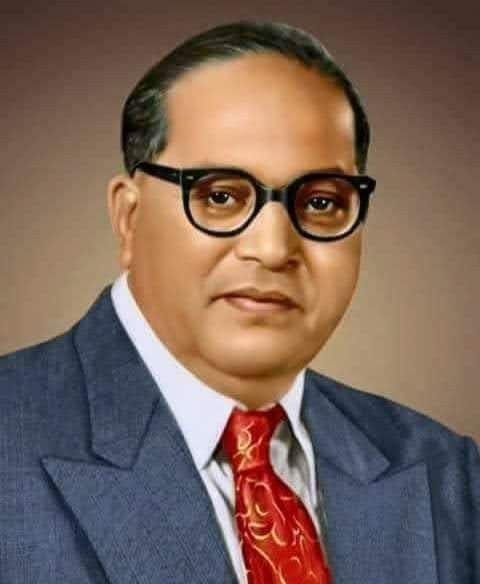
He did not convert to escape. He converted to awaken.
He did not write the Constitution to be remembered. He wrote it so no one would be forgotten.
And when he died, he did not leave behind a void. He left behind a vocabulary — of resistance, of rights, of rebirth.
Bhimrao Ramji Ambedkar is not a chapter in history. He is the punctuation that ends oppression and begins justice. He is not a statue in stone. He is the spine in every citizen who stands tall.
He is not gone. He is grammar — in every sentence that begins with “We the people.”
📘 FAQ: Understanding Bhimrao Ramji Ambedkar
1. Why did Bhimrao Ramji Ambedkar choose the courtroom over the battlefield?
Ans: Because he believed that the sharpest weapon against oppression was not the sword, but the statute. He didn’t want to conquer territory — he wanted to rewrite the terrain of dignity. His battlefield was the Constitution, and his victory was every clause that said “you matter.”
2. What does it mean when we say Bhimrao Ramji Ambedkar didn’t just draft the Constitution — he distilled pain into law?
Ans: It means every article he wrote carried the weight of centuries. Article 17 wasn’t ink — it was the blood of those denied water. Article 32 wasn’t a clause — it was a cry for remedy. He didn’t write from theory; he wrote from wounds.
3. Why did Bhimrao Ramji Ambedkar burn Manusmriti instead of debating it?
Ans: Because some texts aren’t meant to be footnoted — they’re meant to be funeral pyres. He knew that dialogue with oppression legitimizes it. So he chose fire — not to destroy, but to purify the future.
4. What was Bhimrao Ramji Ambedkar’s most radical act — conversion or authorship?
Ans: Neither. His most radical act was teaching the oppressed to say “No.” No to silence. No to shame. No to inherited chains. Whether through Buddhism or the Constitution, he gave people the grammar of refusal — and the courage to rewrite their own sentences.
5. Why is Bhimrao Ramji Ambedkar called a liberator even by those who never read his work?
Ans: Because his legacy is not confined to libraries — it lives in posture. In every child who walks into a school that once barred their ancestors. In every citizen who says “I have rights.” He didn’t just liberate bodies — he liberated belief.
Share this content:
Great information 🚩✨🚩
Good…Very nice 👌👍