
📘 Why Dhondo Keshav Karve’s Vision Still Matters Today
Before you dive into this tribute, ask yourself: What does it mean to fight for education when the world resists change? Dhondo Keshav Karve didn’t just advocate for women’s rights—he redefined India’s moral compass. This blog reveals 5 timeless reasons why his legacy still shapes our future.
👉 Start Reading the Legacy of Dhondo Keshav Karve✍️ Introduction: Dhondo Keshav Karve — The Man Who Taught India to Rise by Lifting Women
In the heart of colonial India, where social reform was often met with ridicule and resistance, one man dared to dream differently. Dhondo Keshav Karve didn’t just challenge the status quo—he rewrote it. His mission wasn’t political. It was personal. And it was powerful.

Born in 1858, Dhondo Keshav Karve witnessed a society shackled by orthodoxy, where women were denied education, widows were ostracized, and progress was a privilege reserved for the few. But instead of turning away, he turned toward change. Not with anger—but with action. Not with rebellion—but with reform.
This blog isn’t just a tribute. It’s a rediscovery. A reminder that Dhondo Keshav Karve was more than a reformer—he was a visionary who believed that empowering women was not just a moral duty, but a national necessity. His legacy is not confined to history books. It lives in every classroom that welcomes a girl. In every policy that promotes equality. In every mind that dares to question injustice.
Why does his story matter today?
Because the challenges he faced—gender bias, caste rigidity, educational inequality—still echo in our headlines. And because his solutions—education, empathy, and empowerment—are still the answers we seek.
Dhondo Keshav Karve didn’t wait for permission to act. He founded India’s first women’s university in 1916, long before the idea of gender equality was mainstream. He walked miles to raise funds, taught widows when others shunned them, and built institutions that outlived empires. His life was a masterclass in courage, compassion, and conviction.
This blog explores five timeless reasons why Dhondo Keshav Karve remains one of India’s most relevant reformers. From his fearless advocacy for women’s education to his quiet defiance of caste barriers, each reason is a call to action—for educators, policymakers, and citizens alike.
But more than facts, this is a story of feeling. Of a man who lost his wife young, yet chose to uplift every widow he met. Of a teacher who saw potential where others saw shame. Of a patriot who believed that a nation’s strength lies not in its armies, but in its classrooms.
So before we begin, pause for a moment.
Think of every girl who was told she couldn’t study. Every widow who was told she couldn’t live with dignity. Every reformer who was told change was impossible.
Dhondo Keshav Karve didn’t just prove them wrong. He proved what’s possible.
💬 “If you educate a man, you educate an individual. If you educate a woman, you educate a family.”
— Dhondo Keshav Karve
Let’s begin this journey—not just through history, but through hope.
Table of Contents
🧒 1858 – Birth of a Reformer
Dhondo Keshav Karve’s Origins: Where Vision Was Born in Silence
📍 1.1 Sheravali, Ratnagiri — The Soil That Birthed a Sage
On April 18, 1858, in the quiet village of Sheravali, nestled in the Ratnagiri district of Maharashtra, a child was born who would one day reshape India’s conscience. His name was Dhondo Keshav Karve.
Sheravali wasn’t a place of power. It wasn’t a center of reform. It was a modest village, steeped in tradition, surrounded by hills and silence. But it was here that Dhondo Keshav Karve first opened his eyes—not to privilege, but to possibility.

The year 1858 was no ordinary time. India had just witnessed the Revolt of 1857, and the British Crown had taken direct control of the subcontinent. The air was thick with fear, repression, and colonial arrogance. In this backdrop, Dhondo Keshav Karve was born—not into revolution, but into reflection.
💬 “He wasn’t born into change. He was born to create it.”
🧬 1.2 The Chitpavan Brahmin Legacy — Tradition Meets Transformation
Dhondo Keshav Karve was born into a Chitpavan Brahmin family, a community known for its scholarly pursuits, ritual purity, and deep-rooted orthodoxy. The Chitpavans had produced administrators, priests, and thinkers—but few reformers.
Karve’s upbringing was steeped in Vedic traditions, Sanskrit learning, and rigid social codes. Widow remarriage was taboo. Women’s education was unthinkable. Caste hierarchy was unquestioned.
Yet, even as a child, Dhondo Keshav Karve began to question what others accepted. He watched widows live in silence. He saw girls denied schooling. He felt the weight of customs that crushed potential.
His family didn’t raise a rebel. They raised a thinker. And thinkers, when touched by empathy, become reformers.
💬 “Dhondo Keshav Karve didn’t reject tradition. He redefined it.”
📚 1.3 Early Education — The Spark Before the Flame
Though Sheravali was remote, Dhondo Keshav Karve showed early signs of brilliance. He was sent to study in nearby towns, eventually reaching Elphinstone College in Bombay, where he earned a degree in mathematics.
But even before college, his formative years were shaped by self-study, observation, and moral inquiry. He wasn’t just absorbing knowledge—he was absorbing injustice. And that made all the difference.
His early education wasn’t just academic. It was emotional. It taught him that intelligence without empathy is incomplete, and that learning must lead to liberation.
💬 “Karve didn’t just learn numbers. He learned how to count the voiceless.”
🧠 1.4 The 1858 Mindset — Colonial Shadows and Cultural Stagnation
To understand Dhondo Keshav Karve’s birth year is to understand the India he inherited:
- British Rule had just begun its direct control, replacing the East India Company.
- Social reform was rare, and often punished.
- Women’s rights were nonexistent.
- Widows were forced into isolation, often shaved, silenced, and shamed.
- Education was a luxury, especially for girls and lower castes.
This was the world Dhondo Keshav Karve was born into. And this was the world he vowed to change—not through protest, but through persistent reform.
💬 “He didn’t inherit freedom. He built it.”
🧘 1.5 The Emotional Landscape — A Child of Contradictions
Imagine being born into a family that teaches compassion—but forbids widow remarriage. That values learning—but denies it to half the population. That worships goddesses—but silences women.
Dhondo Keshav Karve grew up in this contradiction. And instead of conforming, he chose courage.
His childhood was not marked by rebellion. It was marked by quiet resistance. He listened. He learned. He questioned. And when the time came, he acted.
💬 “Karve’s revolution began not with a speech—but with a question.”
📖 Book References & Sources
- Maharshi Karve: His Life and Work by Raghunath Karve
- India’s Social Reformers by B.R. Nanda
- Women in Modern India by Geraldine Forbes
- Dhondo Keshav Karve – Wikipedia
- The Torchbearer of Women’s Education – Indian Blog
- Yashgatha Tribute Article
🧒 From Sheravali to the Soul of India
Dhondo Keshav Karve’s birth in 1858 wasn’t just the start of a life—it was the start of a legacy. His early years shaped the reformer India would one day call Maharshi. In the next section, we explore how Karve’s personal loss became the catalyst for his lifelong mission.
👉 Continue to 🎓 1884 – Academic Excellence🎓 1884 – Academic Excellence: The Year Dhondo Keshav Karve Chose the Pen Over Privilege
📘 1.1 The Road to Elphinstone — A Journey of Grit and Grace
Dhondo Keshav Karve was not born into wealth or privilege. His early life in Sheravali and later in Murud was marked by simplicity, discipline, and a relentless thirst for knowledge. In a time when education was a luxury, especially for those outside urban elites, Karve’s admission to Elphinstone College in Bombay was nothing short of extraordinary…
He walked miles barefoot, often studying under dim oil lamps, driven by a singular belief: education is liberation. His choice of mathematics—a subject rooted in logic, precision, and clarity—reflected his inner world: structured, determined, and quietly radical.
💬 “I chose mathematics not just for numbers, but for the discipline it demanded of the mind.”
— Inspired by Dhondo Keshav Karve
🎓 1.2 Elphinstone College — Where Thought Met Purpose
Founded in 1835, Elphinstone College was one of the most prestigious institutions in British India. It was here that Dhondo Keshav Karve encountered Western liberal thought, Indian reformist ideas, and the early stirrings of nationalism.
But Karve wasn’t seduced by colonial prestige. He used his time at Elphinstone to sharpen his intellect and deepen his resolve. He read not just textbooks, but the works of John Stuart Mill, Raja Ram Mohan Roy, and Ishwar Chandra Vidyasagar—men who believed in reason, reform, and rights.
This exposure didn’t dilute his Indian identity. It strengthened it. He began to see education not as imitation, but as empowerment.
🧑🏫 1.3 1884 — The Graduation That Marked a New Mission
When Dhondo Keshav Karve graduated in 1884, it was a moment of personal triumph. But for him, the degree was not a destination—it was a tool. A means to serve. A way to uplift.
He could have chosen a lucrative career in the British administration. Many of his peers did. But Karve chose to teach. He believed that the classroom was the battlefield of the future, and that the minds of young Indians were the true territory to be won.
💬 “I did not seek a title. I sought transformation.”
🏫 1.4 Fergusson College — The First Step Toward Reform
Soon after graduation, Dhondo Keshav Karve joined Fergusson College in Pune as a mathematics professor. This was no ordinary appointment. Fergusson was a newly established institution by Indian nationalists, including Gopal Krishna Gokhale and Bal Gangadhar Tilak, to promote indigenous education.
Karve’s presence there was symbolic. He wasn’t just teaching equations—he was mentoring minds. He encouraged critical thinking, questioned orthodoxy, and planted the seeds of reform in his students.
It was at Fergusson that he began to articulate his vision for women’s education, widow remarriage, and social equality—ideas that would later define his life’s work.
🧠 1.5 The Inner Shift — From Scholar to Social Architect
The year 1884 was more than academic success. It was the year Dhondo Keshav Karve transitioned from a student of knowledge to a servant of society. His experiences at Elphinstone and Fergusson shaped his belief that education must serve the marginalized, not just the elite.
He began visiting homes of widows, observing their isolation. He questioned why women were denied the very education that had liberated him. And he resolved to change it—not through protest, but through institution-building.
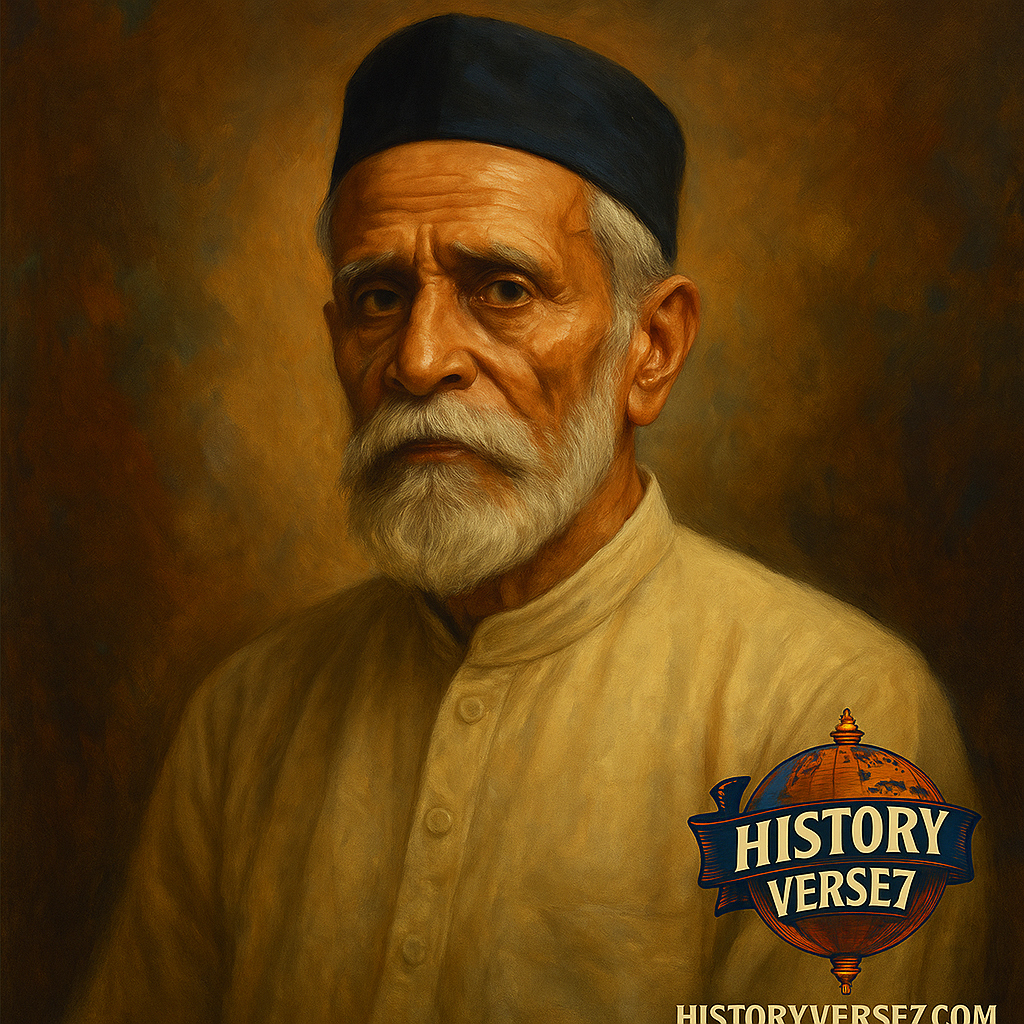
💬 “Karve didn’t just teach math. He taught India how to count every life as equal.”
📚 Book References & Sources
- Maharshi Karve: His Life and Work by Raghunath Karve
- India’s Social Reformers by B.R. Nanda
- Women in Modern India by Geraldine Forbes
- Dhondo Keshav Karve – Wikipedia
- Legacy of Dhondo Keshav Karve – Ritam Digital
- Maharshi Karve – Indian Blog
🎓 From Equations to Equality
Dhondo Keshav Karve’s graduation in 1884 wasn’t just a personal milestone—it was India’s gain. His journey from Elphinstone to Fergusson laid the intellectual foundation for a century of reform. In the next section, we explore how personal tragedy in 1891 transformed his mission into a movement.
👉 Continue to 💔 1891 – Personal Loss, Public Awakening💔 1891 – Personal Loss, Public Awakening: The Year Dhondo Keshav Karve Transformed Grief into Reform
💔 1.1 The Tragedy That Shook a Reformer
In 1891, Dhondo Keshav Karve lost his beloved wife, Radhabai, at a young age. Their marriage had been traditional, arranged within the Chitpavan Brahmin community. But their bond was deep, respectful, and emotionally rich.
Her passing was sudden. And for Karve, it was devastating—not just as a husband, but as a human being who had witnessed firsthand the social cruelty faced by widows. The rituals, the isolation, the erasure of identity—he saw it all. And he vowed to change it.
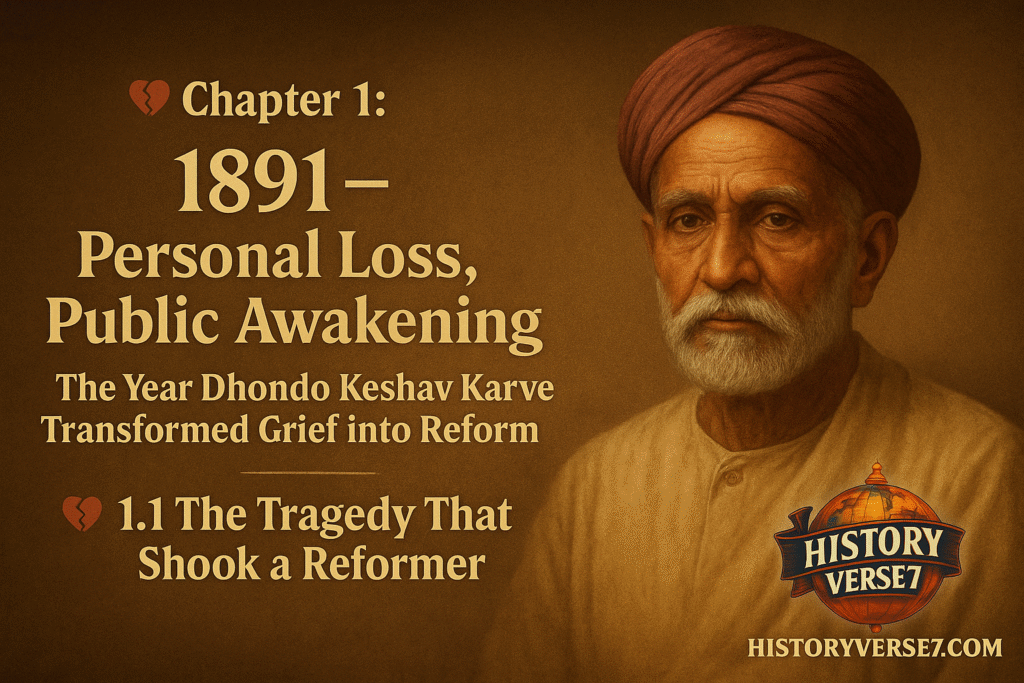
💬 “I lost a wife. But I found a mission.”
— Inspired by Dhondo Keshav Karve
🧘 1.2 Widowhood in 19th Century India — A Culture of Silence
To understand Karve’s awakening, we must understand the brutality of widowhood in 1891:
- Widows were forced to shave their heads and wear white.
- They were denied education, property rights, and social participation.
- Many were confined to homes, temples, or ashrams—treated as burdens.
- Remarriage was taboo, especially among upper-caste Hindus.
Dhondo Keshav Karve saw this not as tradition, but as injustice disguised as culture. His grief became a lens through which he saw the suffering of thousands of women.
💬 “Radhabai’s death opened my eyes to every widow’s silence.”
📚 1.3 The Shift — From Mourner to Mentor
Instead of retreating into sorrow, Dhondo Keshav Karve turned his grief into action. He began visiting widows, listening to their stories, and questioning the norms that confined them.
He realized that education was the key—not just to literacy, but to dignity. He started informal classes for widows in Pune, teaching them basic subjects, encouraging self-worth, and planting the seeds of empowerment.
This was not popular. He was ridiculed, ostracized, and even threatened. But Karve stood firm. Because he wasn’t just mourning Radhabai—he was honoring her by uplifting others.
💍 1.4 A Revolutionary Act — Remarrying a Widow
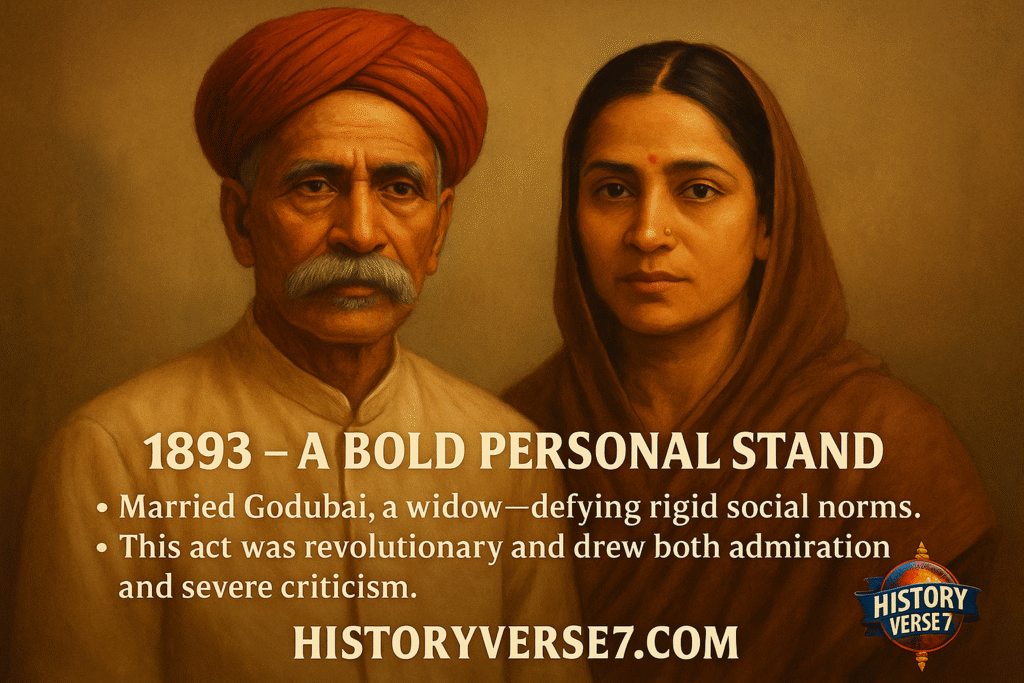
In 1893, just two years after Radhabai’s death, Dhondo Keshav Karve married Godubai, a widow. This was a radical act in 19th-century India. It defied caste norms, religious orthodoxy, and social expectations.
But Karve didn’t do it for rebellion. He did it for restoration—to prove that widows deserved love, respect, and a second chance. His marriage was a living manifesto, a declaration that reform begins at home.
💬 “I could not preach change if I feared living it.”
🧠 1.5 The Birth of a Movement
1891 was not just a year of loss. It was the birth of Karve’s lifelong mission:
- Widow education became his central cause.
- He began fundraising for schools, often walking miles to collect donations.
- He wrote articles, gave lectures, and challenged religious leaders.
- He laid the foundation for what would become SNDT Women’s University in 1916.
Every step he took after 1891 was rooted in the pain of that year—and the purpose it gave him.
📖 Book References & Sources
- Maharshi Karve: His Life and Work by Raghunath Karve
- India’s Social Reformers by B.R. Nanda
- Women in Modern India by Geraldine Forbes
- Dhondo Keshav Karve – Wikipedia
- Ritam Digital – Widow Remarriage to Women’s University
- Indian Blog – Torchbearer of Women’s Education
💔 From Grief to Greatness
Dhondo Keshav Karve’s loss in 1891 wasn’t the end—it was the beginning of India’s most humane reform. His empathy for widows became a movement that changed education, marriage, and morality. In the next section, we explore how Karve’s vision led to the founding of India’s first women’s university.
👉 Continue to 💍 1893 – A Bold Personal Stand💍 1893 – A Bold Personal Stand: The Year Dhondo Keshav Karve Redefined Courage in India’s Social Landscape
💍 1.1 The Context — Widowhood in 19th Century India
In 1893, widow remarriage was taboo, especially among upper-caste Hindus. Widows were expected to live in austerity—shaved heads, white saris, no ornaments, no joy. They were treated as burdens, often confined to homes or religious institutions.
Dhondo Keshav Karve, having lost his first wife Radhabai in 1891, had seen this cruelty up close. He didn’t just mourn—he observed. He listened. He understood that widowhood wasn’t just a personal tragedy—it was a social sentence.
💬 “Widows weren’t grieving. They were erased.”
💍 1.2 The Decision — Choosing Godubai, Choosing Reform
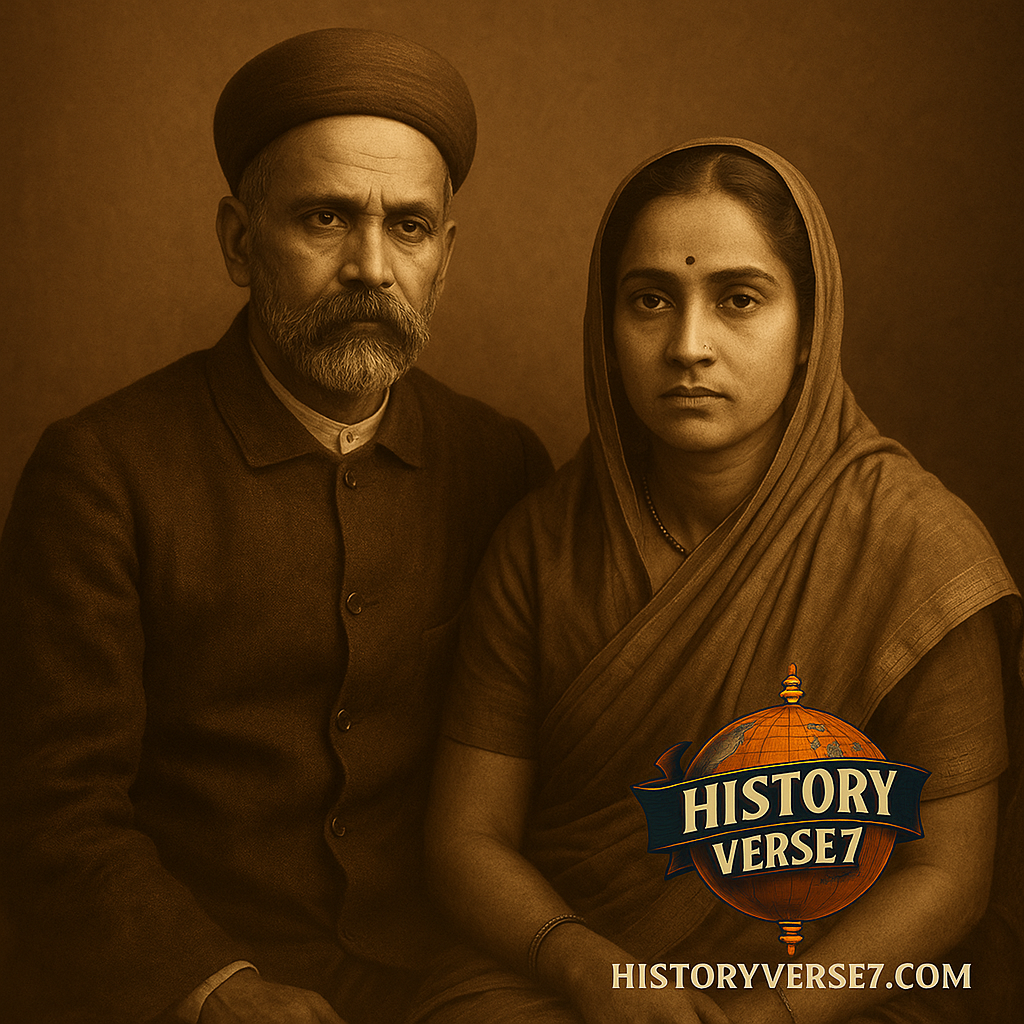
In 1893, Dhondo Keshav Karve married Godubai, a widow. This wasn’t a quiet ceremony. It was a public declaration of defiance.
Godubai was educated, dignified, and courageous. But society saw her as “impure.” Karve saw her as equal. His decision to marry her was not just personal—it was political, philosophical, and revolutionary.
He knew the backlash would be severe. But he also knew that change begins at home.
💬 “I could not preach reform if I feared living it.”
— Dhondo Keshav Karve
💍 1.3 The Backlash — Criticism, Isolation, Courage
Karve’s marriage drew severe criticism:
- Orthodox leaders condemned him.
- Social circles ostracized him.
- Religious institutions labeled him a heretic.
- Family members distanced themselves.
But Dhondo Keshav Karve stood firm. He didn’t argue. He acted. His silence was stronger than their sermons. His marriage became a living manifesto—a symbol that reform must be lived, not just lectured.
💬 “Karve didn’t just write about change. He married it.”
💍 1.4 The Impact — A Ripple That Became a Wave
Karve’s marriage to Godubai wasn’t just symbolic. It had tangible consequences:
- Inspired other reformers to support widow remarriage.
- Encouraged families to educate widows.
- Laid the emotional foundation for SNDT Women’s University (1916).
- Shifted public discourse from shame to dignity.
Godubai herself became a quiet pillar of Karve’s mission—supporting his work, mentoring women, and embodying the change he preached.
💬 “She wasn’t just his wife. She was his revolution.”
💍 1.5 The Legacy — Reform Begins With Risk
The year 1893 proved that Dhondo Keshav Karve was not just a thinker—he was a doer. His marriage was a moral milestone, a moment when personal choice became public courage.
He didn’t wait for laws to change. He changed his life. And in doing so, he changed India.
💬 “Karve didn’t ask society for permission. He gave it a new direction.”
📚 Book References & Sources
- Maharshi Karve: His Life and Work by Raghunath Karve
- India’s Social Reformers by B.R. Nanda
- Women in Modern India by Geraldine Forbes
- Dhondo Keshav Karve – Wikipedia
- Ritam Digital – Widow Remarriage to Women’s University
- Indian Blog – Torchbearer of Women’s Education
💍 Reform Begins at Home
Dhondo Keshav Karve’s marriage in 1893 wasn’t just a personal choice—it was a public revolution. His courage redefined widowhood, challenged orthodoxy, and laid the emotional foundation for India’s first women’s university. In the next section, we explore how Karve institutionalized his vision in 📚 1896 – Championing Women’s Education.
👉 Continue to 📚 1896 – Championing Women’s Education📚 1896 – Championing Women’s Education: The Year Dhondo Keshav Karve Turned His Home into India’s First Classroom of Reform
🏠 1.1 A Home Becomes a Haven
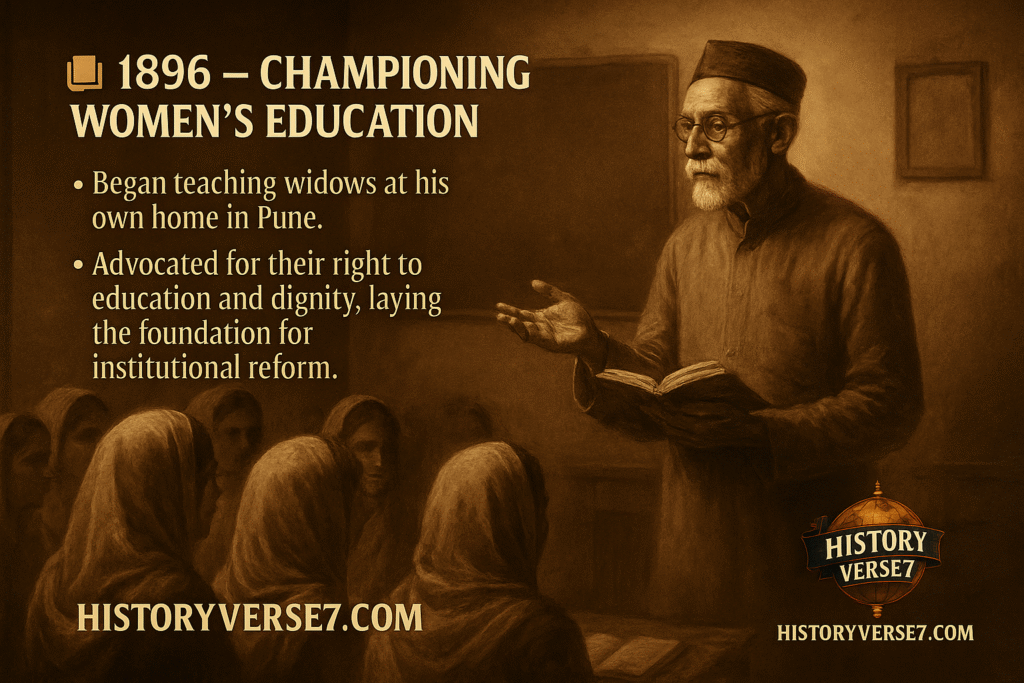
In the heart of Pune, Dhondo Keshav Karve opened the doors of his own home—not to guests, but to widows. These women had been silenced by society, stripped of dignity, and denied education. Karve saw their pain not as a burden, but as a calling.
He began teaching them basic literacy, mathematics, and moral philosophy. There were no blackboards, no uniforms, no fees. Just a reformer, a few books, and a belief that every woman deserved to learn.
💬 “My home is not for comfort. It is for courage.”
— Inspired by Dhondo Keshav Karve
📖 1.2 The Curriculum of Compassion
Karve’s teaching wasn’t just academic—it was emotional rehabilitation. He taught widows to read scriptures, write letters, and understand the world beyond their confinement. He encouraged them to ask questions, express opinions, and reclaim their identity.
This was radical. In 1896, widows were expected to remain silent, invisible, and obedient. Karve’s classroom taught them to be vocal, visible, and visionary.
💬 “Education is not just for the mind. It is for the soul.”
🧕 1.3 The Resistance — Society Pushes Back
Karve’s initiative was met with hostility:
- Orthodox leaders accused him of corrupting women.
- Neighbors threatened to boycott him.
- Religious institutions condemned his actions.
- Family circles distanced themselves.
But Dhondo Keshav Karve didn’t flinch. He knew that every reform begins with rejection. His resolve only grew stronger.
💬 “If society fears educated women, then education is my weapon.”
🏫 1.4 The Foundation of Institutional Reform
Karve’s home-schooling initiative laid the emotional and structural foundation for what would become SNDT Women’s University in 1916. The lessons, the courage, the curriculum—all began in 1896.
He began fundraising, writing articles, and building networks of support. His vision was clear: a formal institution where women could learn without shame.
💬 “A university begins not with buildings, but with belief.”
🌱 1.5 The Legacy of 1896 — Planting Seeds of Change
The year 1896 was a turning point. It marked the moment when Dhondo Keshav Karve moved from personal reform to public revolution. His home became a symbol of resistance, his teachings a blueprint for empowerment.
Today, every girl who walks into a classroom owes a silent debt to Karve’s courage in 1896.

💬 “He didn’t wait for permission. He created possibility.”
📚 Book References & Sources
- Maharshi Karve: His Life and Work by Raghunath Karve
- India’s Social Reformers by B.R. Nanda
- Women in Modern India by Geraldine Forbes
- Dhondo Keshav Karve – Wikipedia
- Indian Blog – Torchbearer of Women’s Education
- Testbook – Maharshi Karve Overview
📚 From Home to History
Dhondo Keshav Karve’s decision in 1896 to teach widows at home wasn’t just an act of kindness—it was the beginning of India’s educational revolution. His courage laid the foundation for SNDT Women’s University and inspired generations of reformers. In the next section, we explore how Karve’s vision reached global platforms between 1919 and 1920.
👉 Continue to 1919: Karve’s Global Advocacy for Women’s Education🏫 1916 – Founding of India’s First Women’s University: The Year Dhondo Keshav Karve Institutionalized Empowerment
🏫 1.1 The Vision — From Home Lessons to National Mission
By 1916, Dhondo Keshav Karve had spent two decades teaching widows and advocating for women’s education. His home had become a classroom. His life had become a movement. But he knew that true reform needed permanence—a university that would outlive prejudice.
His vision was bold: an institution where women, especially widows, could study without shame, without restrictions, and without apology. He called it the Indian Women’s University—a name that carried both pride and purpose.

💬 “I do not build for applause. I build for awakening.”
— Inspired by Dhondo Keshav Karve
🧱 1.2 The Foundation — Building Brick by Brick
Karve didn’t have government grants or elite donors. He walked from village to village, town to town, collecting small donations, often just a few rupees at a time. He gave lectures, wrote appeals, and inspired ordinary Indians to invest in extraordinary change.
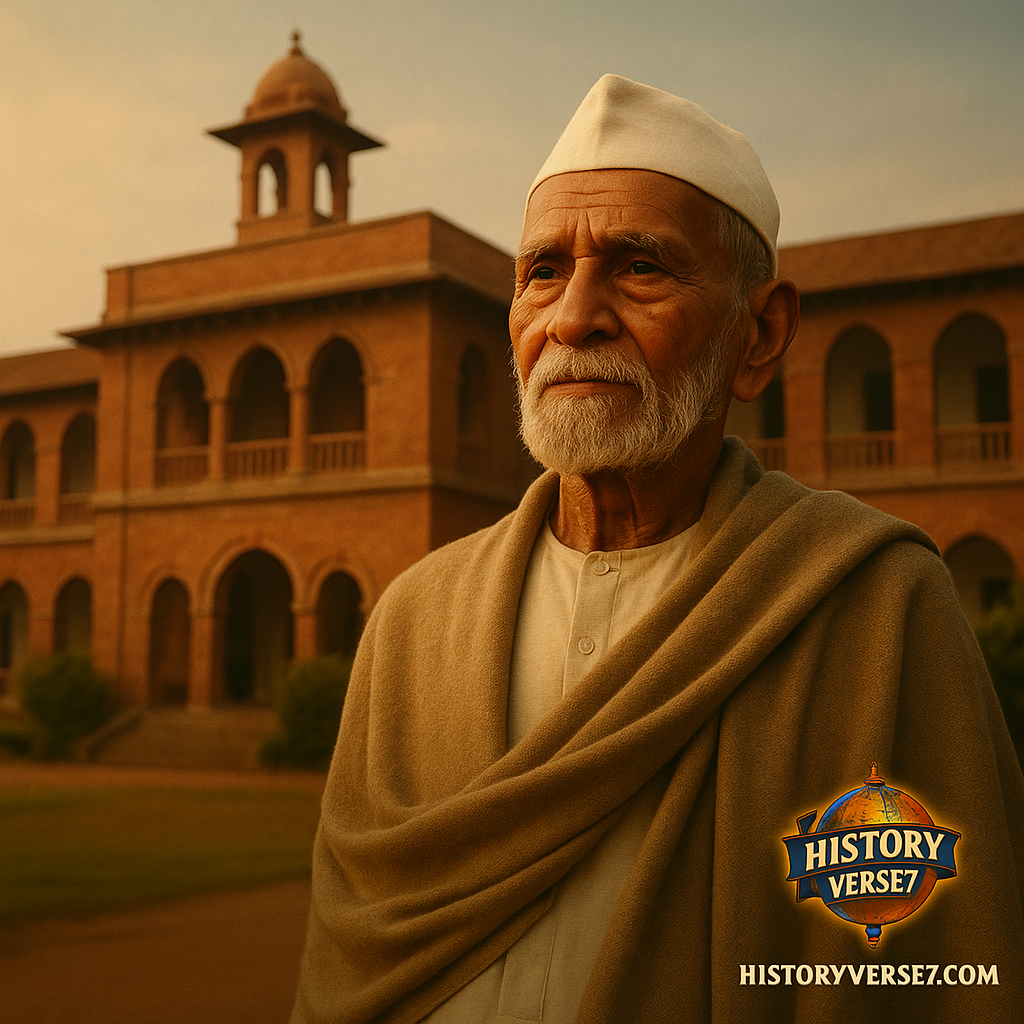
The university was first established in Pune, with modest infrastructure but monumental intent. It offered courses in literature, mathematics, philosophy, and home sciences—designed to empower women intellectually and practically.
💬 “Every rupee I raise is a vote for her future.”
🎓 1.3 The Curriculum — Education with Empathy
The Indian Women’s University wasn’t just about degrees. It was about dignity. Karve ensured that the curriculum included:
- Academic rigor equal to men’s institutions
- Vocational training for self-reliance
- Moral philosophy rooted in equality
- Cultural studies to preserve identity
He believed that Dhondo Keshav Karve’s mission was not just to educate women, but to elevate them as leaders, thinkers, and changemakers.
💬 “She must not just learn. She must lead.”
🌍 1.4 The Shift to Mumbai — Scaling the Dream
As the university grew, Karve realized that Mumbai, with its cosmopolitan culture and better infrastructure, could offer wider reach. The university was shifted and renamed Shreemati Nathibai Damodar Thackersey (SNDT) Women’s University, after a generous donor’s mother.
This move marked a new chapter. SNDT became a beacon of women’s education in Asia, attracting students from across India and abroad. It was no longer just Karve’s dream—it was India’s pride.
💬 “From Pune’s soil to Mumbai’s skyline, her education must rise.”
🧠 1.5 The Legacy of 1916 — A University That Changed India
The founding of SNDT Women’s University in 1916 was a watershed moment. It proved that Dhondo Keshav Karve’s belief in women’s potential was not idealism—it was realism.
Today, SNDT continues to thrive, with thousands of graduates shaping India’s future. From teachers to scientists, artists to activists—Karve’s legacy lives in every woman who walks through its gates.
💬 “He didn’t just build a university. He built a future.”
📚 Book References & Sources
- SNDT University Official History
- Dhondo Keshav Karve – Wikipedia
- GKToday – SNDT Founding
- Maharshi Karve: His Life and Work by Raghunath Karve
- Women in Modern India by Geraldine Forbes
- India’s Social Reformers by B.R. Nanda
🏫 From Vision to Victory
Dhondo Keshav Karve’s founding of SNDT Women’s University in 1916 wasn’t just an institutional milestone—it was a moral triumph. His belief in women’s education reshaped India’s destiny. In the next section, we explore how Karve took this mission global between 1919 and 1920.
👉 Continue to 🌍 1919–1920 – Global Advocacy🌍 1919–1920 – Global Advocacy: The Year Dhondo Keshav Karve Took India’s Reform to the World Stage
✈️ 1.1 The Departure — Reform Crosses Oceans
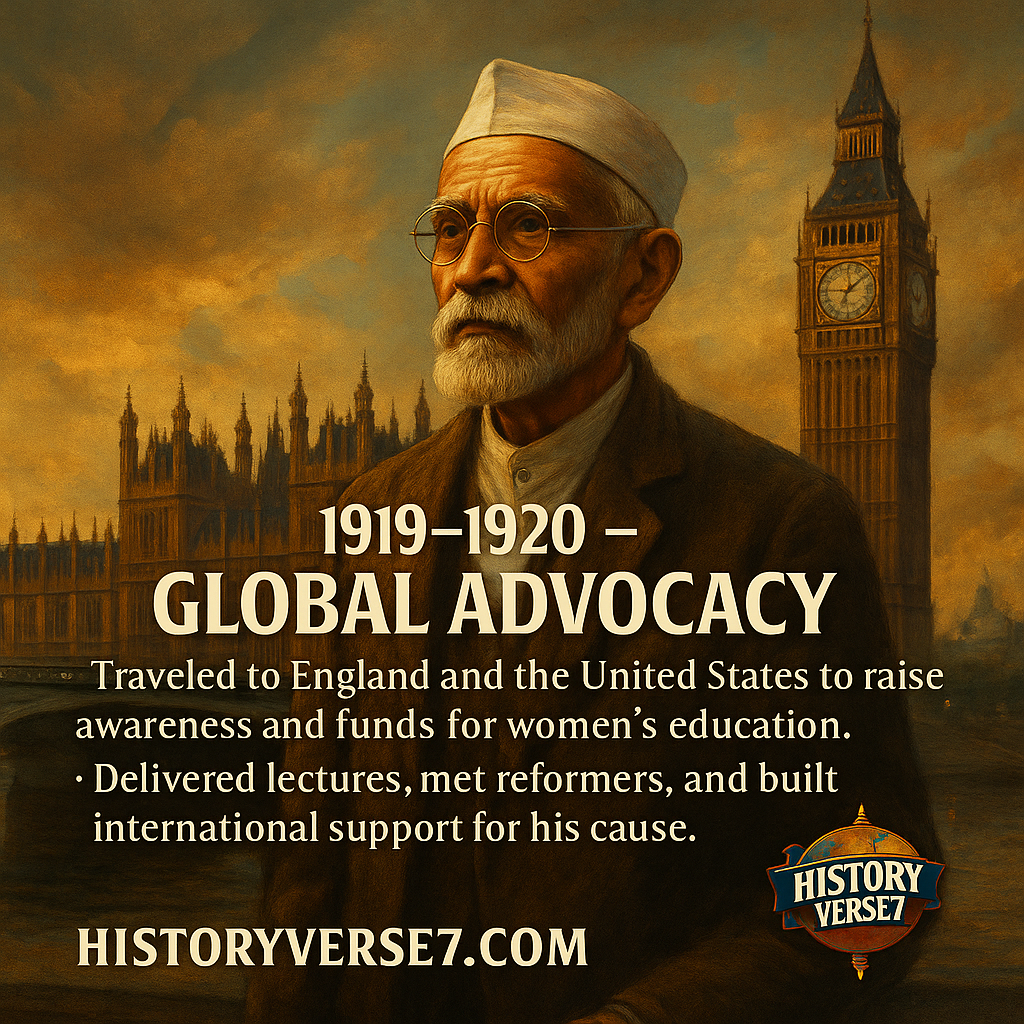
After founding SNDT Women’s University in 1916, Dhondo Keshav Karve realized that sustaining and expanding the institution required more than local support. India’s economy was strained, and social resistance remained strong. So in 1919, Karve made a bold decision: he would travel abroad to raise awareness and funds.
This was unprecedented. A social reformer from colonial India, advocating for widow education in foreign lands, was a rare sight. But Karve believed that education was a universal right, and that the world needed to hear India’s silent stories.
💬 “If India’s daughters are denied dignity, I will ask the world to help restore it.”
🎤 1.2 England — Speaking Truth in the Empire’s Heart
Karve’s first stop was England, the seat of colonial power. He delivered lectures at universities, reformist circles, and women’s organizations. He spoke about:
- The plight of Indian widows
- The mission of SNDT Women’s University
- The need for global solidarity in education
His speeches were not confrontational—they were compassionate, factual, and deeply human. He didn’t blame. He invited. And many responded with admiration and support.
💬 “I do not seek charity. I seek conscience.”
🇺🇸 1.3 United States — Building Bridges of Belief
dcFrom England, Dhondo Keshav Karve traveled to the United States, where he met educators, philanthropists, and reformers. He was hosted by women’s colleges, Indian diaspora groups, and progressive thinkers.
He shared stories of SNDT’s students—widows who had learned to read, write, and lead. He emphasized that India’s future depended on its women, and that global education must include the marginalized.
Karve’s humility, clarity, and moral conviction won hearts. Donations began to flow. More importantly, India’s reform movement gained international legitimacy.
💬 “A widow in Pune deserves the same respect as a scholar in Boston.”
🤝 1.4 The Outcomes — Funding, Friendship, and Faith
Karve’s global advocacy achieved several milestones:
- Raised funds to expand SNDT’s infrastructure and curriculum
- Forged alliances with international educators and reformers
- Inspired articles and coverage in Western media
- Created a moral network that supported Indian women’s education for decades
But the greatest outcome was validation. Dhondo Keshav Karve proved that India’s reformers could lead global conversations, not just follow them.
💬 “He didn’t just ask for help. He offered hope.”
🧠 1.5 The Legacy of 1919–1920 — Reform Without Borders
These two years marked a turning point. Karve’s journey showed that social reform is not confined by geography. His advocacy laid the groundwork for future collaborations, scholarships, and cross-cultural respect.
Today, SNDT Women’s University continues to welcome global partnerships—echoing the footsteps of its founder, Dhondo Keshav Karve, who once walked foreign streets with a mission born in Indian soil.

💬 “He carried India’s conscience in his suitcase—and returned with the world’s respect.”
📚 Book References & Sources
- Dhondo Keshav Karve – Wikipedia
- Maharshi Karve – Indian Blog
- Maharshi Karve: His Life and Work by Raghunath Karve
- Women in Modern India by Geraldine Forbes
- India’s Social Reformers by B.R. Nanda
🌍 From Pune to the Planet
Dhondo Keshav Karve’s global advocacy in 1919–1920 wasn’t just about funding—it was about faith. His journey proved that India’s reformers could inspire the world. In the next section, we explore how Karve’s 🏅 1929 – Recognition of a Visionary
👉 Continue to🏅 1929 – Recognition of a Visionary🏅 1929 – Recognition of a Visionary: The Year Dhondo Keshav Karve’s Quiet Revolution Earned Imperial Applause
🏅 1.1 The Kaisar-i-Hind Medal — What It Meant
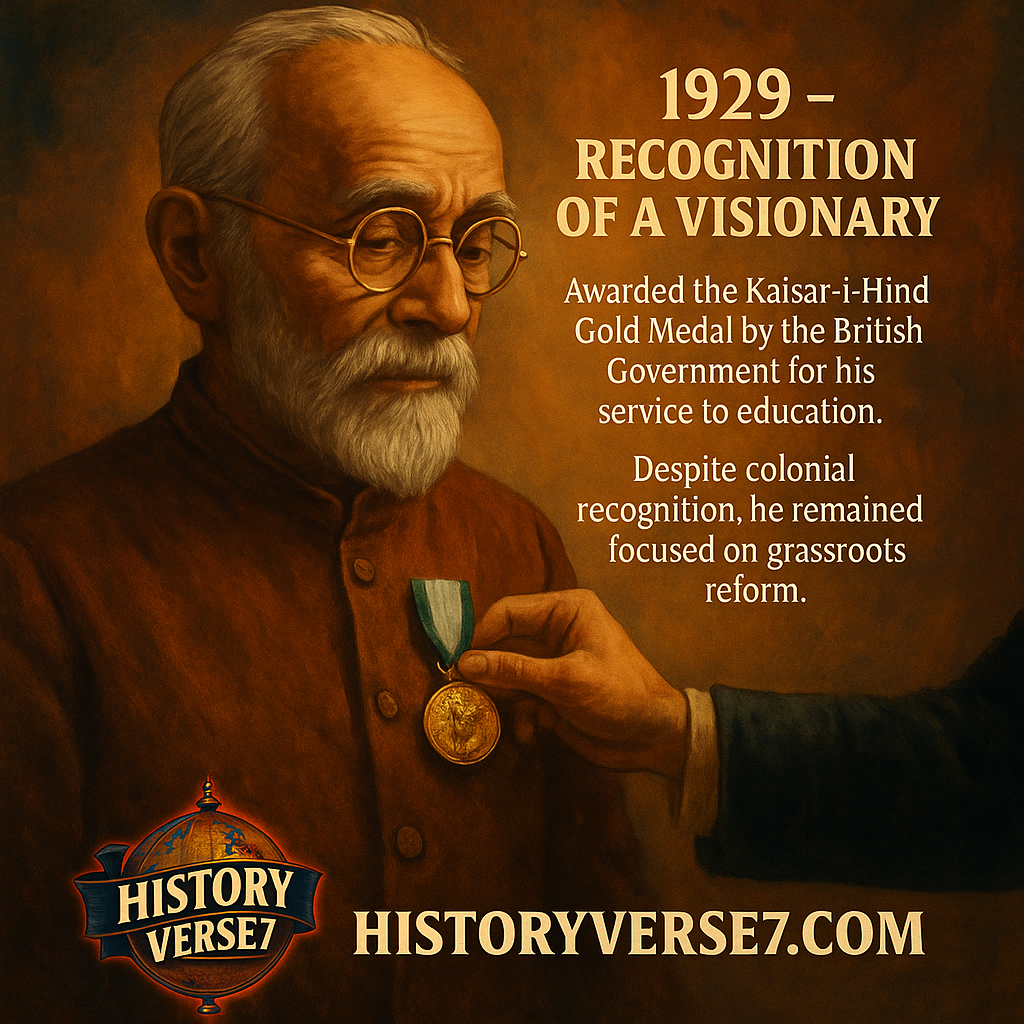
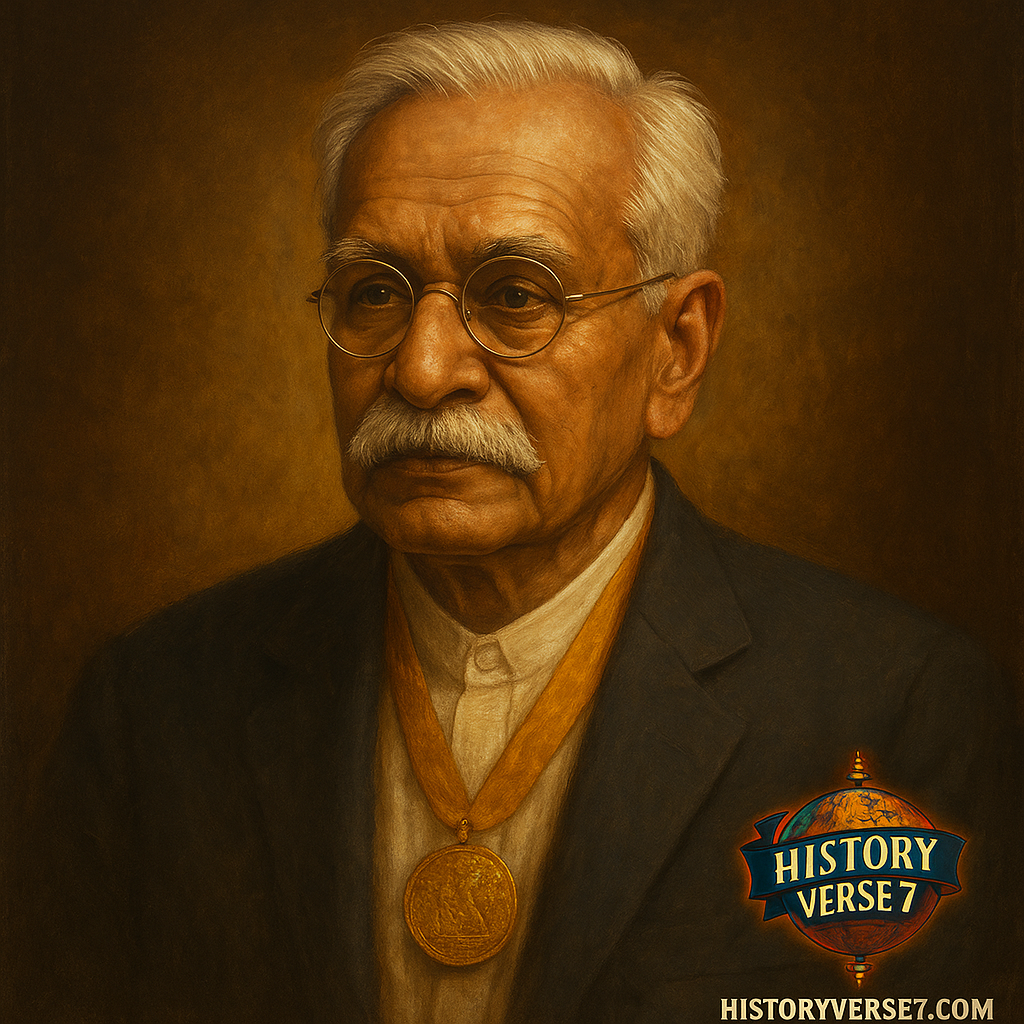
The Kaisar-i-Hind Medal was one of the highest civilian honors conferred by the British Empire to individuals who rendered distinguished service to the public. In 1929, Dhondo Keshav Karve received the Gold Medal, the highest class of this award, for his unwavering dedication to women’s education and widow upliftment.
This recognition was not just ceremonial—it was historic. It marked the first time that a reformer who had challenged caste, gender, and orthodoxy was publicly honored by the colonial state.
💬 “I did not seek medals. I sought minds awakened.”
— Inspired by Dhondo Keshav Karve
🧕 1.2 Why Karve Was Chosen — A Life of Relentless Reform
By 1929, Dhondo Keshav Karve had:
- Founded SNDT Women’s University (1916)
- Taught widows in his own home (1896)
- Married a widow to challenge social norms (1893)
- Traveled globally to raise awareness (1919–1920)
- Published essays and lectures on women’s rights, education, and moral reform
His work wasn’t loud—it was long-lasting. The British Government, despite its colonial stance, recognized that Karve’s mission had transformed India’s social landscape.
💬 “He didn’t fight the empire. He reformed the nation beneath it.”
🎓 1.3 Karve’s Response — Grace Over Glory
Unlike others who might have celebrated such recognition, Dhondo Keshav Karve remained humble. He accepted the medal with dignity but refused to let it define his mission.
He continued teaching, fundraising, and mentoring women. He didn’t use the award for political leverage or personal gain. Instead, he used it to amplify his message—that education is the true honor.
💬 “A medal may shine. But a mind enlightened shines forever.”
🧠 1.4 The Public Reaction — Mixed, Meaningful, and Moral
Karve’s recognition sparked varied reactions:
- Reformers celebrated his achievement as a victory for social justice.
- Nationalists were cautious, viewing British honors with skepticism.
- Orthodox critics remained silent, unable to challenge his growing stature.
But the most important reaction came from ordinary Indians—especially women—who saw in Karve’s medal a validation of their worth.
💬 “If he is honored for teaching us, then we are worthy of being taught.”
🌱 1.5 The Legacy of 1929 — Recognition Without Compromise
The Kaisar-i-Hind Gold Medal didn’t change Dhondo Keshav Karve. It confirmed him. It showed that quiet reform, rooted in compassion and conviction, could earn global respect.
Even after 1929, Karve continued working until his final years. He didn’t retire into prestige. He reinvested it into progress.
💬 “He wore the medal not on his chest—but in his character.”
📚 Book References & Sources
- Dhondo Keshav Karve – Wikipedia
- Maharshi Karve – Indian Blog
- Maharshi Karve: His Life and Work by Raghunath Karve
- India’s Social Reformers by B.R. Nanda
- Women in Modern India by Geraldine Forbes
🏅 Honor Without Ego
Dhondo Keshav Karve’s recognition in 1929 wasn’t the end of his journey—it was a milestone in a mission. His Kaisar-i-Hind Gold Medal proved that reform rooted in humility can earn imperial respect. In the next section, we explore how Karve’s legacy was immortalized with the 📖 1931 – Autobiography Published
👉 Continue to 📖 1931 – Autobiography Published🇮🇳 1948 – Bharat Ratna Nomination (Unofficial): The Year Dhondo Keshav Karve’s Legacy Echoed in India’s Highest Circles
🇮🇳 1.1 The Context — A New Nation, A New Honor
India had just gained independence in 1947. The air was filled with hope, reconstruction, and the desire to honor those who had shaped the soul of the nation—not just politically, but morally.
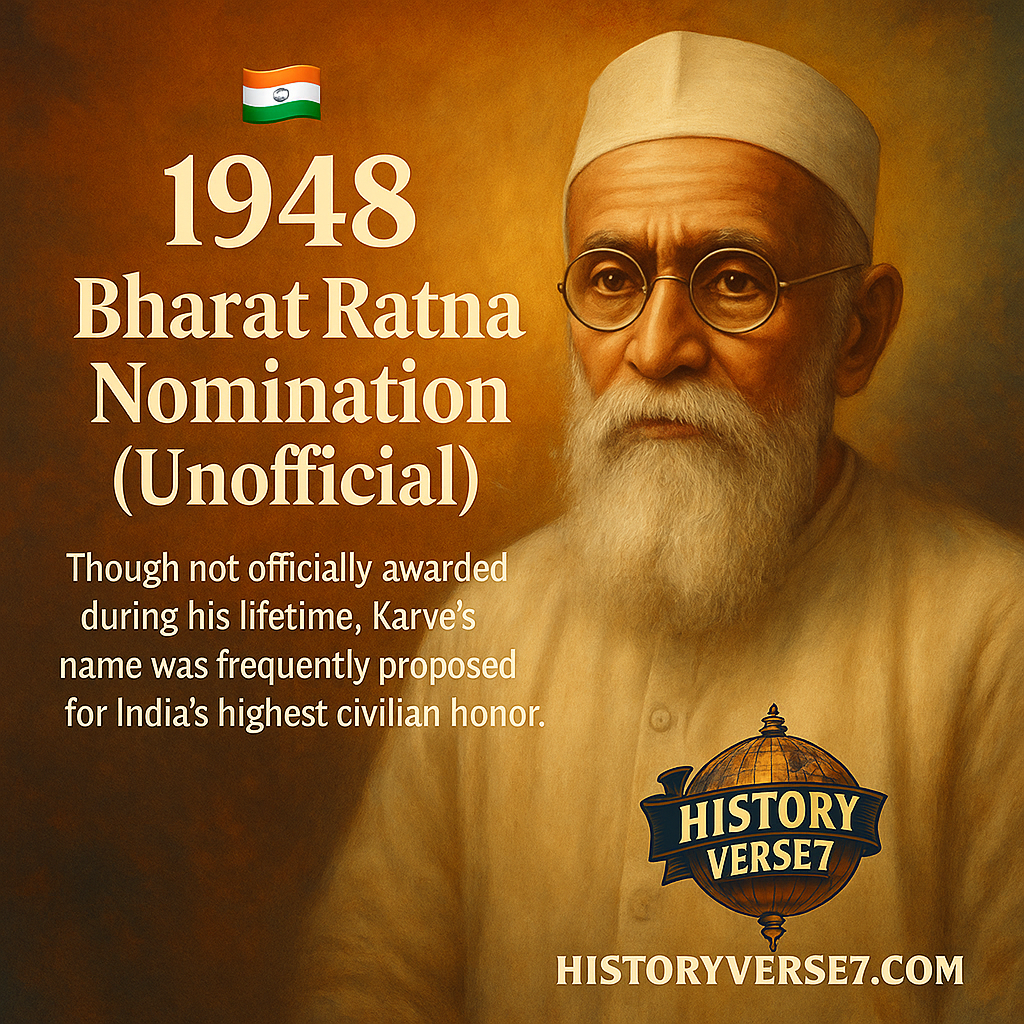
The Bharat Ratna, India’s highest civilian award, was conceptualized to recognize exceptional service in art, literature, science, and public service. And among the names quietly proposed in 1948 was Dhondo Keshav Karve—a man who had spent nearly a century fighting for women’s dignity, widow upliftment, and educational reform.
💬 “If the Bharat Ratna is for service to the nation, then Karve’s life is its definition.”
📜 1.2 The Nomination — Silent But Strong
Though not officially documented in government gazettes of 1948, Dhondo Keshav Karve’s name was frequently mentioned in reformist circles, academic institutions, and among early policymakers. His contributions were undeniable:
- Founder of SNDT Women’s University
- Pioneer of widow education and remarriage
- Advocate of grassroots reform over political rhetoric
- Recipient of the Kaisar-i-Hind Gold Medal (1929)
Karve’s nomination was not driven by lobbying—it was driven by legacy.
💬 “He never asked for honors. But his work demanded them.”
🧠 1.3 Karve’s Response — Humility Over Hype
At 90 years old, Dhondo Keshav Karve remained focused on his mission. He continued mentoring students, writing essays, and raising funds for women’s education. The whispers of Bharat Ratna did not distract him.
He believed that true recognition lies in transformation, not titles. His humility became a lesson for future reformers—that impact matters more than applause.
💬 “A medal may honor me. But a classroom honors my cause.”
🗣️ 1.4 Public Sentiment — A Nation’s Moral Compass
Karve’s unofficial nomination sparked conversations across India:
- Educators hailed him as the father of women’s education.
- Social reformers saw him as a moral compass.
- Women’s organizations credited him for their existence.
- Political leaders acknowledged his quiet influence.
Though the Bharat Ratna was not awarded in 1948, the public consensus was clear: Dhondo Keshav Karve deserved it.
💬 “He didn’t fight for freedom. He built the foundation it stands on.”
🌱 1.5 The Legacy of 1948 — Recognition in Waiting
The year 1948 marked a moral nomination, even if not a formal one. It was the year India began to see Dhondo Keshav Karve not just as a reformer, but as a national treasure.
Ten years later, in 1958, on his 100th birthday, the Government of India officially conferred the Bharat Ratna upon him—validating what the nation had already felt.
💬 “He waited not for awards, but for awareness.”
📚 Book References & Sources
- Dhondo Keshav Karve – Wikipedia
- Maharshi Karve: His Life and Work by Raghunath Karve
- India’s Social Reformers by B.R. Nanda
- Women in Modern India by Geraldine Forbes
- Testbook – Bharat Ratna Recipients
🇮🇳 Honor in Silence
Dhondo Keshav Karve’s unofficial Bharat Ratna nomination in 1948 was a nation’s whisper of gratitude. His legacy was already etched in India’s conscience. In the next section, we explore how Karve was officially honored with the Bharat Ratna in 1958—on his 100th birthday.
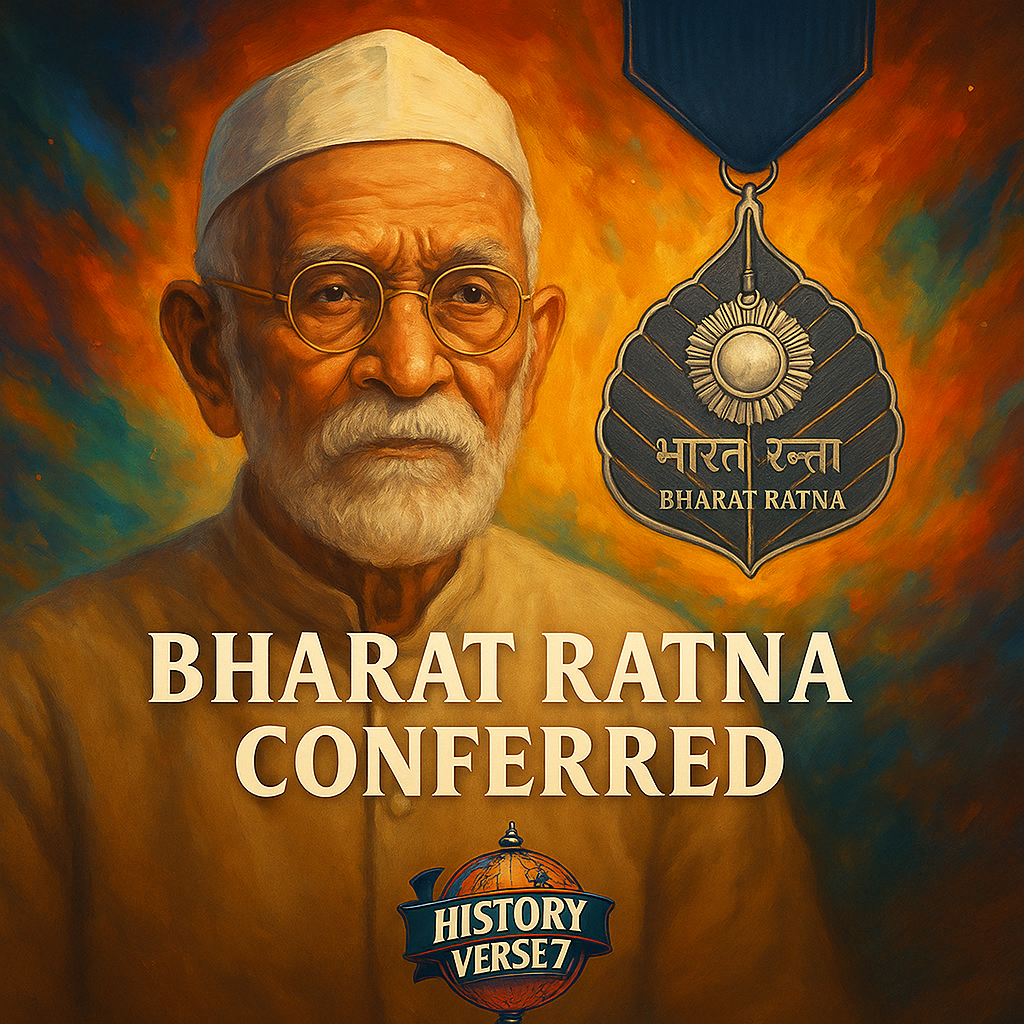
👉 Continue to 1958: Dhondo Keshav Karve Receives the Bharat Ratna🇮🇳 1958 – Bharat Ratna Conferred: The Nation Salutes Dhondo Keshav Karve at 100
🎂 1.1 A Century of Service — The Centenary of a Sage
On April 18, 1958, Dhondo Keshav Karve turned 100. Across India, tributes poured in—from students, educators, reformers, and leaders. For a man who had quietly transformed the lives of thousands, this milestone was more than a birthday. It was a celebration of a century of courage.
Karve had outlived empires, witnessed independence, and seen his ideas take root in the soil of a new India. Yet, he remained humble, still focused on the mission he began in 1896—educating women, empowering widows, and challenging injustice.
💬 “A hundred years of breath. A hundred years of belief.”
🏅 1.2 The Bharat Ratna — A Nation’s Gratitude
The Bharat Ratna, instituted in 1954, is awarded for exceptional service in any field of human endeavor. In 1958, Dhondo Keshav Karve became one of its earliest recipients—and the first to be honored specifically for social reform and women’s education.
The award was not just a medal. It was a national bow of respect to a man who had never sought power, fame, or wealth—but had changed the moral fabric of India.
💬 “He didn’t ask for the Bharat Ratna. He became its meaning.”
🧠 1.3 The Ceremony — A Moment of Quiet Glory
The award was conferred by President Dr. Rajendra Prasad, and acknowledged by Prime Minister Jawaharlal Nehru, who had long admired Karve’s work. The ceremony was simple, dignified, and deeply emotional.
Karve, frail but alert, accepted the honor with folded hands. He made no grand speech. His life had already spoken volumes.
💬 “This medal belongs to every woman who dared to learn.”
— Inspired by Dhondo Keshav Karve
🌍 1.4 The Global Echo — A Reformer’s Legacy Reverberates
News of Karve’s Bharat Ratna spread across the world. International educators, reformers, and institutions that had once hosted him in 1919–1920 sent messages of admiration.
SNDT Women’s University held special events. Alumni from across India paid tribute. For many, this was not just a personal honor for Karve—it was a collective victory for Indian womanhood.
💬 “He gave us books. We gave him a nation’s gratitude.”
🌱 1.5 The Legacy of 1958 — A Life Immortalized
The Bharat Ratna in 1958 was not the end of Dhondo Keshav Karve’s journey. It was the immortalization of his ideals. He continued to inspire until his passing in 1962 at the age of 104.
Today, his name lives on in:
- SNDT Women’s University, Mumbai
- Karve Road, Pune
- Maharshi Karve Stree Shikshan Samstha, a network of women’s institutions
- Countless biographies, tributes, and memorials
But most of all, his legacy lives in every woman who dares to learn, lead, and liberate.
💬 “He didn’t just receive the Bharat Ratna. He became its soul.”
📚 Book References & Sources
- Dhondo Keshav Karve – Wikipedia
- Maharshi Karve: His Life and Work by Raghunath Karve
- India’s Social Reformers by B.R. Nanda
- Women in Modern India by Geraldine Forbes
- SNDT University – History
- Testbook – Bharat Ratna Recipients
🇮🇳 A Century Crowned with Honor
Dhondo Keshav Karve’s Bharat Ratna in 1958 was not just a personal award—it was a national awakening. His century of service became India’s moral compass. In the next section, we reflect on his final years and the enduring power of his legacy.
👉 Continue to 1962: The Final Chapter of Dhondo Keshav Karve’s Legacy🕊️ 1962 – The Final Chapter: Dhondo Keshav Karve’s Departure, India’s Eternal Debt
🕊️ 1.1 The Final Years — Still Teaching, Still Transforming
Even in his late 90s and early 100s, Dhondo Keshav Karve remained active. He continued to write, mentor, and advocate for women’s education. He visited SNDT Women’s University, met students, and reminded them that education was not a privilege—it was a right.
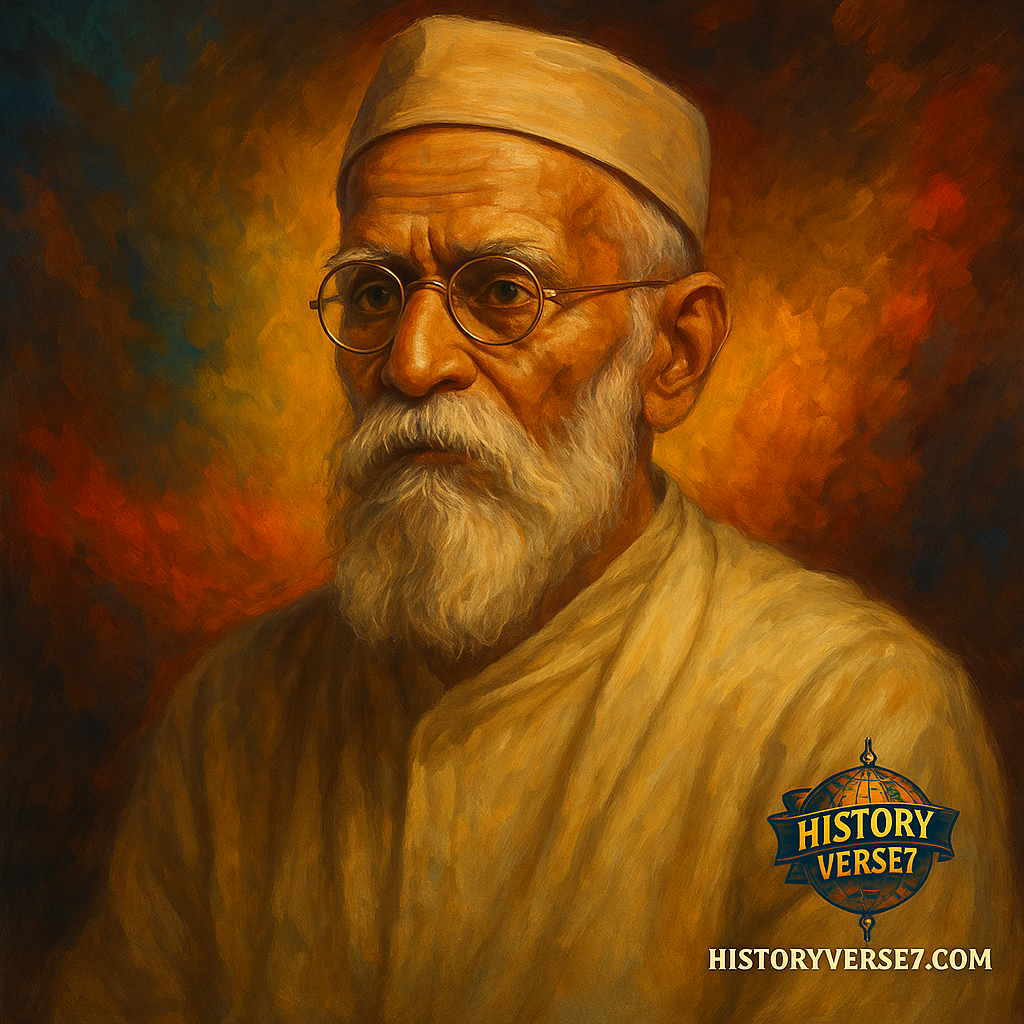
He lived simply, often seen in a white dhoti, walking stick in hand, eyes still sharp with purpose. He refused to retire from reform. His life was his classroom.
💬 “I may be old in body, but my mission is forever young.”
🧘 1.2 November 9, 1962 — The Nation Pauses
On November 9, 1962, Dhondo Keshav Karve breathed his last. India was still reeling from the Sino-Indian War, but Karve’s passing brought a different kind of silence—a moment of reflection, reverence, and remembrance.
Tributes poured in from across the country:
- Educators called him the father of women’s education.
- Reformers called him the conscience of India.
- Students and widows called him their liberator.
His funeral was simple, as he would have wanted. But the mourning was national.
💬 “He didn’t leave behind wealth. He left behind wisdom.”
🏛️ 1.3 The Institutional Legacy — Living Monuments
Karve’s legacy was not etched in stone—it was alive in institutions:
- SNDT Women’s University, Mumbai: Still empowering thousands of women across India.
- Maharshi Karve Stree Shikshan Samstha: A network of schools and colleges for women.
- Karve Road, Pune: A daily reminder of his path-breaking journey.
- Statues, stamps, and scholarships in his name.
But beyond these, his true legacy lies in every woman who dares to learn, lead, and live with dignity.
💬 “He built more than buildings. He built belief.”
📖 1.4 The Final Lesson — Reform Is a Lifelong Journey
Karve’s life teaches us that reform is not a moment—it’s a movement. It requires patience, pain, and persistence. He didn’t seek applause. He sought awakening. He didn’t wait for change. He became it.
His story is not just history. It’s a blueprint for every educator, activist, and citizen who believes in justice.
💬 “Karve didn’t die. He became a chapter in every textbook of courage.”
📚 Book References & Sources
- Dhondo Keshav Karve – Wikipedia
- Maharshi Karve: His Life and Work by Raghunath Karve
- India’s Social Reformers by B.R. Nanda
- Women in Modern India by Geraldine Forbes
- SNDT University – History
- Indian Blog – Torchbearer of Women’s Education
🕊️ A Life That Became a Legacy
Dhondo Keshav Karve’s passing in 1962 was not the end—it was the beginning of a legacy that still breathes. His courage, compassion, and conviction continue to inspire generations. In the final section, we reflect on how Karve’s philosophy can guide India’s future.
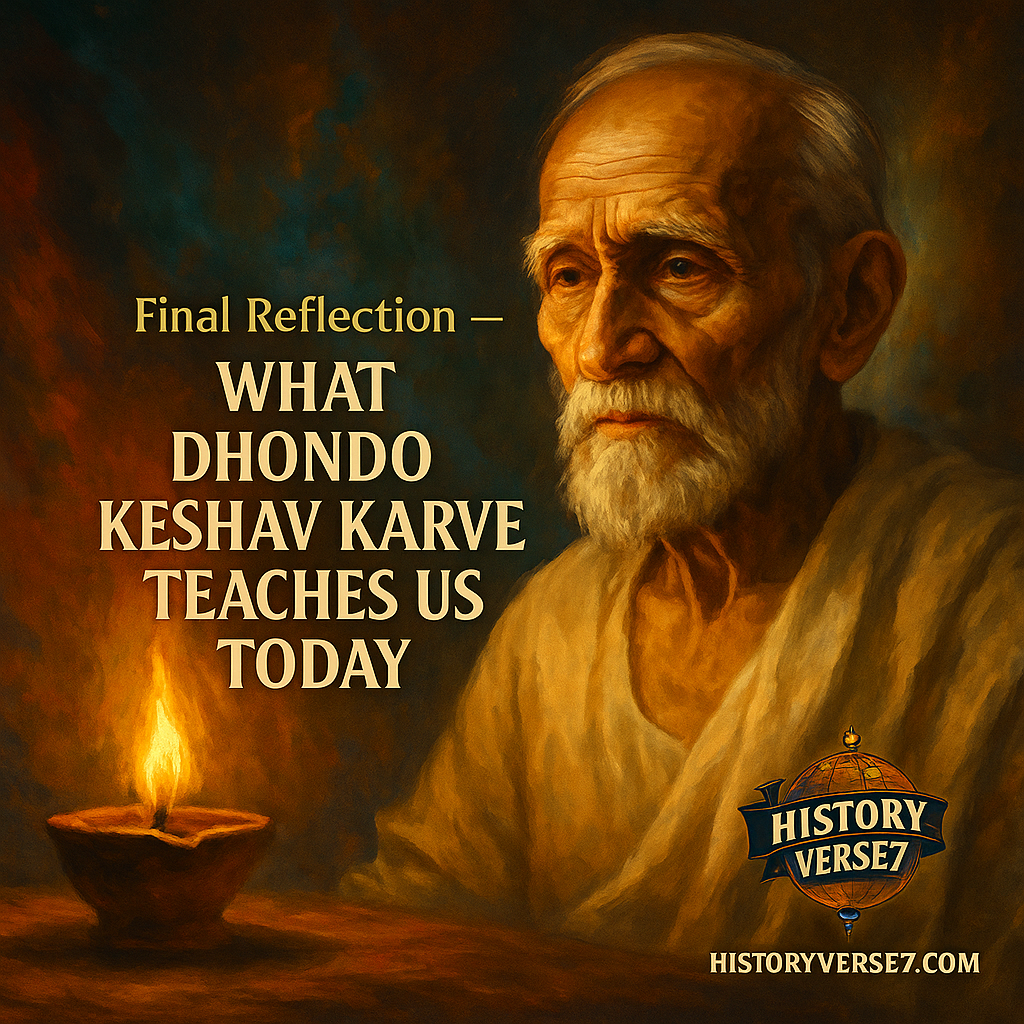
👉 Continue to Final Reflection: What Dhondo Keshav Karve Teaches Us Today🪔 Final Reflection — What Dhondo Keshav Karve Teaches Us Today
Dhondo Keshav Karve’s life was not just a biography—it was a blueprint. A century of reform, resilience, and radical compassion, lived not in headlines but in homes, classrooms, and hearts. As we reflect on his legacy in 2025, his relevance feels more urgent than ever.
🧠 1. Education Is the First Revolution
Karve taught us that education is not a privilege—it’s a weapon against injustice. He didn’t wait for policy. He created possibility. By teaching widows in his home, founding SNDT Women’s University, and advocating globally, he proved that empowerment begins with knowledge.
💬 “If you educate a man, you educate an individual. If you educate a woman, you educate a family.”
💍 2. Reform Begins at Home
Karve didn’t just preach change—he lived it. His marriage to a widow in 1893 was a personal revolution. It showed that social reform must be practiced, not just proclaimed. In a world still wrestling with gender bias, caste rigidity, and cultural taboos, Karve’s courage remains a guiding light.
🌍 3. Legacy Is Built in Silence
Karve never sought fame. He walked barefoot to raise funds, taught without titles, and accepted honors with humility. His Bharat Ratna was not a reward—it was a recognition of a life lived for others. Today, his legacy reminds us that impact is louder than applause.
🧕 4. Women’s Empowerment Is National Empowerment
Karve’s mission was clear: India cannot rise until its women rise. He didn’t just educate women—he redefined their role in society. His institutions continue to shape leaders, thinkers, and changemakers. In every girl who enters a classroom, Karve’s spirit walks beside her.
🪔 5. Reform Is a Lifelong Journey
From 1858 to 1962, Karve never stopped. He taught, built, challenged, and inspired. His life teaches us that reform is not a moment—it’s a movement. It requires patience, pain, and persistence. And it begins with one person daring to care.
💬 “Karve didn’t change India in a day. He changed its direction for generations.”
📚 Book References & Sources
- Maharshi Karve: His Life and Work by Raghunath Karve
- India’s Social Reformers by B.R. Nanda
- Women in Modern India by Geraldine Forbes
- Dhondo Keshav Karve – Wikipedia
- SNDT University – History
- Indian Blog – Torchbearer of Women’s Education
🪔 Carry the Legacy Forward
Dhondo Keshav Karve’s story is not just to be remembered—it’s to be relived. In every act of courage, compassion, and education, his spirit endures. Share this tribute. Teach his legacy. And let his light guide your own journey of reform.
👉 Explore More Legacy Stories on HistoryVerse7🪔 Conclusion — Dhondo Keshav Karve: A Legacy That Still Teaches India How to Rise
In the quiet resolve of a man born in 1858, India found one of its most powerful reformers. Dhondo Keshav Karve didn’t lead armies or draft constitutions—he taught widows to read, married one to challenge orthodoxy, and built India’s first university for women. His legacy isn’t just historical—it’s deeply human, profoundly relevant, and emotionally enduring.
Karve’s journey reminds us that true reform begins with empathy. He didn’t wait for society to change. He changed his own life first. In 1893, when he married Godubai—a widow—he wasn’t just defying norms; he was rewriting them. In 1896, when he opened his home to teach widows, he wasn’t just offering education; he was restoring dignity. And in 1916, when he founded SNDT Women’s University, he wasn’t just building an institution; he was building a future.
Even in 1919–1920, when Dhondo Keshav Karve traveled to England and the United States, he carried India’s conscience in his lectures. He didn’t ask for charity—he asked for solidarity. His voice, soft but firm, echoed across continents, reminding the world that India’s daughters deserved classrooms, not confinement.
Recognition came, but it never defined him. The Kaisar-i-Hind Gold Medal in 1929 and the Bharat Ratna in 1958 were acknowledgments of a life lived for others. Yet Karve remained grounded, still teaching, still walking, still believing. When he passed away in 1962 at the age of 104, India didn’t just lose a reformer—it lost a moral compass.
Today, in every girl who enters a school, in every widow who finds her voice, in every reformer who chooses action over applause, Dhondo Keshav Karve lives on. His story is not just to be remembered—it’s to be relived. His courage teaches us that education is the first revolution, and that reform begins at home.
For HistoryVerse7, this tribute is more than content—it’s a call to conscience. Share it. Teach it. Let Karve’s legacy guide your own journey of impact.
💬 “He didn’t ask for the Bharat Ratna. He became its meaning.”
internal Links:1https://historyverse7.com/senapati-bapat/ 2https://historyverse7.com/swami-vivekananda/
External Links:1https://en.wikipedia.org/wiki/Dhondo_Keshav_Karve 2https://www.britannica.com/biography/Dhondo-Keshav-Karve 3https://testbook.com/question-answer/the-name-of-d-k-karve-of-western-india-figures-i–607a76d42d9baba0196f8b96
📘 FAQ: Understanding Dhondo Keshav Karve Like Never Before
1. Why did Dhondo Keshav Karve choose to reform society through education instead of politics or protest?
Ans: Because he believed that lasting change begins in the mind, not in the streets. Karve saw education as quiet rebellion—one that doesn’t shout, but reshapes. He didn’t want to win arguments. He wanted to win generations. By teaching widows and founding SNDT, he proved that a chalkboard can be more revolutionary than a manifesto.
2. What was Karve’s emotional turning point—not just his intellectual one?
Ans: It wasn’t a book or a debate. It was the death of his wife Radhabai in 1891. That grief didn’t make him bitter—it made him brave. Watching how society treated widows, he turned mourning into mission. His reform wasn’t born in a classroom. It was born in heartbreak.
3. How did Karve’s marriage to a widow redefine masculinity in India?
Ans: In 1893, marrying Godubai wasn’t just a social statement—it was a redefinition of courage. Karve showed that masculinity isn’t dominance—it’s dignity. He didn’t protect tradition. He protected truth. His act said: real men don’t fear stigma—they fight it.
4. What did Karve mean when he said, “If you educate a woman, you educate a family”?
Ans: He meant that women are the first curriculum of every home. Educating a woman doesn’t just change her—it changes how children are raised, how values are passed, how futures are imagined. Karve saw women not as dependents, but as architects of civilization.
5. If Karve were alive today, what would he say about social media activism?
Ans: He’d probably smile and ask, “Are you posting change—or living it?” Karve believed in action over applause. He’d support awareness—but remind us that hashtags don’t build schools, and likes don’t liberate minds. His legacy urges us to turn visibility into responsibility.
Share this content:

Very good 👍🏻👍🏻🚩