🔍 Introduction: Har Dayal: The Quiet Flame Who Lit Minds Across Continents
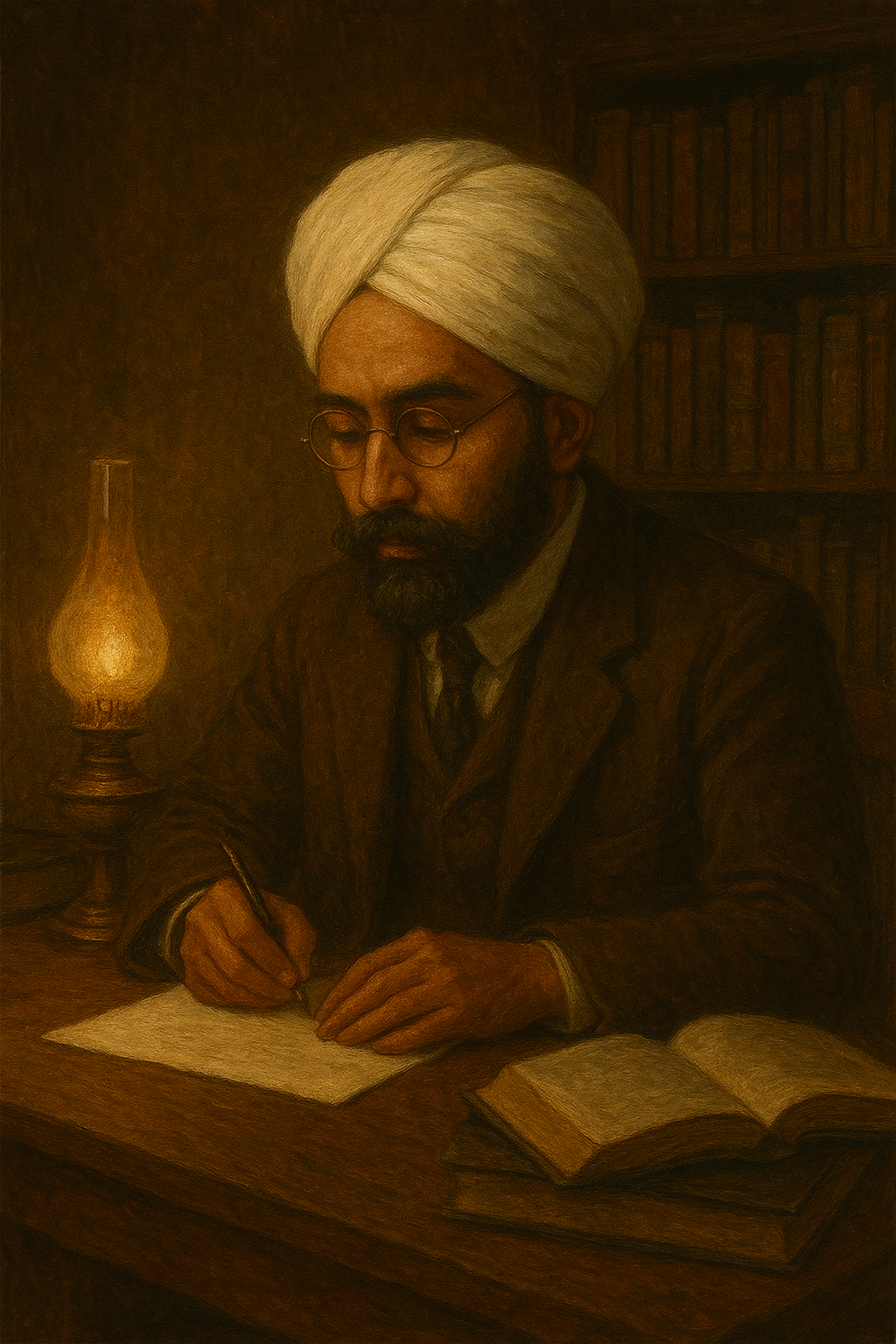
In the vast tapestry of India’s freedom struggle, some names roar like thunder, while others whisper like the wind—gentle, persistent, and transformative. Har Dayal was one such whisper. He didn’t lead armies or shout slogans in the streets. Instead, he wielded ideas like weapons, intellect like fire, and conviction like armor. Har Dayal was not just a revolutionary; he was a thinker, a teacher, and a global connector of minds.

Born in Delhi in 1884, Har Dayal grew up in a time when India was shackled under British rule. From a young age, he showed signs of brilliance. His love for learning was unmatched, and his curiosity stretched far beyond textbooks. Har Dayal wasn’t content with just knowing—he wanted to understand, question, and reshape the world around him.
Har Dayal’s academic journey began at Cambridge Mission School and later at St. Stephen’s College, Delhi. He excelled in Sanskrit and philosophy, earning scholarships that took him to Oxford University. But Har Dayal’s heart was never in colonial praise. Even as he stood among the elite at Oxford, he chose to reject the comforts of empire. He gave up his scholarship, walked away from a promising career in the Indian Civil Service, and embraced a life of purpose.
What made Har Dayal different was his ability to blend ancient wisdom with modern rebellion. He wasn’t just fighting for India’s freedom—he was fighting for intellectual freedom, for the right to think, speak, and live without fear. Har Dayal believed that true revolution begins in the mind. His writings, speeches, and actions reflected this belief.
In 1911, Har Dayal moved to the United States, where he began organizing Indian immigrants. He saw potential in every worker, every student, every soul longing for change. Har Dayal’s vision led to the birth of the Ghadar Party in 1913—a revolutionary group that aimed to overthrow British rule through armed resistance and ideological awakening. Har Dayal edited the party’s newspaper, “Ghadar,” which became a beacon of hope for Indians across the globe..
Har Dayal’s influence wasn’t limited to one country. He traveled across continents—Germany, Japan, Switzerland—building networks of revolutionaries, thinkers, and dreamers. Wherever he went, Har Dayal left behind sparks of courage and clarity. He believed that India’s freedom was not just a national issue but a global cause. His ability to connect ideas across cultures made Har Dayal a truly international figure.
But Har Dayal was more than a revolutionary. He was a philosopher, a writer, and a guide. His books, like Hints for Self Culture and Our Educational Problem, offered deep insights into personal growth, discipline, and the power of knowledge. Har Dayal urged people to build strong minds, to read widely, and to live with purpose. He believed that education was not just about degrees—it was about awakening the soul.
Har Dayal’s life was not easy. He faced arrests, exile, and constant surveillance. Yet, he never stopped writing, thinking, or inspiring. Even in his final years in Philadelphia, Har Dayal continued to teach and publish, leaving behind a legacy of intellectual resistance. He passed away in 1939, but his ideas still echo in classrooms, libraries, and hearts.
What makes Har Dayal unforgettable is his quiet strength. He didn’t seek fame or applause. He sought truth. He challenged systems not with violence but with vision. Har Dayal showed that one man, armed with knowledge and courage, can shake empires.
Today, as we look back at India’s journey to freedom, Har Dayal stands as a reminder that revolutions begin with thought. His life teaches us that education, integrity, and fearless questioning are the pillars of progress. Har Dayal’s story is not just history—it’s a call to awaken, to learn, and to lead with wisdom.
In a world full of noise, Har Dayal was a voice of clarity. In a time of fear, he was a symbol of fearless intellect. And in the fight for freedom, Har Dayal was the mind behind the movement.
Table of Contents
🗣️ Speech Overview: Har Dayal at Nalanda Club, San Francisco (1912)
- 📍 Location: Nalanda Club, San Francisco, California, USA
- 📅 Date: Early 1912 (exact day not documented, but widely cited as a pivotal moment in Ghadar’s formation)
- 🎯 Motive: To awaken political consciousness among Indian immigrants and inspire them to fight for India’s independence
- 👥 Crowd: Approximately 200–300 Indian immigrants, mostly Punjabi laborers, students, and workers
- 🌊 Impact: Sparked the ideological foundation of the Ghadar Party; led to the creation of revolutionary networks across North America
🔥 Speech Highlights
Har Dayal’s speech was delivered in English and Punjabi, tailored to reach both educated students and working-class immigrants. He spoke with clarity, conviction, and emotional intensity. While the full transcript is not preserved, historical accounts describe key themes:
- Condemnation of British Rule: He called British imperialism “a curse on India’s soul” and urged Indians abroad to reject loyalty to the Crown.
- Call for Armed Revolution: He declared that petitions and prayers had failed, and that “freedom must be seized, not begged for.”
- Empowerment of the Diaspora: He told the crowd, “You are not just laborers—you are the builders of a free India.”
- Unity Across Castes and Religions: He emphasized that the fight for independence must transcend divisions, saying, “In the eyes of tyranny, we are all slaves. Let us be brothers in rebellion.”
🌍 Historical Impact
- Formation of Ghadar Party (1913): This speech directly inspired the creation of the Ghadar Party, with Har Dayal as its ideological architect.
- Launch of Ghadar Newspaper: The speech’s themes were echoed in the party’s multilingual newspaper, which became a revolutionary tool across continents.
- Global Mobilization: After this speech, Har Dayal began organizing study circles, publishing radical literature, and connecting with revolutionaries in Canada, Germany, and Japan.
- British Surveillance: The British government began monitoring Har Dayal closely, eventually pressuring U.S. authorities to arrest him in 1914.
This speech wasn’t just a moment—it was a movement. It turned a scattered immigrant community into a revolutionary force. Har Dayal’s words lit a fire that crossed oceans and decades.
🧠 Har Dayal: The Making of a Revolutionary Mind (1884–1905)
In the heart of Delhi, on 14 October 1884, a child was born who would one day challenge empires—not with weapons, but with wisdom. That child was Har Dayal. His journey from a quiet student to a global revolutionary began not in battlefields, but in classrooms, libraries, and moments of deep reflection. This is the story of Har Dayal’s early life and education, a tale of brilliance, rebellion, and purpose.
🪔 Birth and Family Roots (14 October 1884, Delhi)
Har Dayal was born on 14 October 1884 in Delhi, then part of British India. His birth wasn’t marked by grandeur or prophecy—but in time, it would become a turning point in India’s intellectual awakening. Har Dayal came from a Hindu Mathur Kayastha family, a community known for its deep respect for education, ethics, and public service.
His father, Gauri Dayal, worked as a reader in a district court, and his family valued both tradition and progress. The Kayasthas were historically scribes and administrators, often close to power—but Har Dayal would choose a different path. From the beginning, he showed signs of brilliance. He was quiet, observant, and deeply thoughtful. While other children played, Har Dayal asked questions—about life, justice, and the meaning of freedom.
Delhi in the late 19th century was a city of contrasts. British colonial buildings stood beside ancient Indian temples. English was the language of power, but Sanskrit was the language of soul. Har Dayal grew up in this tension—between empire and identity, between submission and self-respect. These early experiences shaped his worldview and planted the seeds of rebellion—not through violence, but through thought.
His family nurtured his curiosity. They encouraged reading, reflection, and moral clarity. Har Dayal’s childhood was not luxurious, but it was rich in values. He learned to respect elders, question authority, and seek truth. These qualities would later define his revolutionary journey.
📘 1895–1900: Schooling at Cambridge Mission School, Delhi
Har Dayal’s formal education began at the Cambridge Mission School, one of Delhi’s prominent institutions run by Christian missionaries. While the school followed British educational models, Har Dayal absorbed knowledge with a critical eye. He mastered English, but never let it overpower his love for Indian languages and thought.
At Cambridge Mission School, Har Dayal developed a habit of self-study. He read beyond the syllabus—philosophy, history, religion. He wasn’t just preparing for exams; he was preparing for life. Teachers admired his discipline, but they couldn’t always understand his depth. Har Dayal was already thinking like a philosopher.
📚 1900–1903: St. Stephen’s College, Delhi – The Sanskrit Scholar Emerges
After school, Har Dayal joined St. Stephen’s College, one of India’s most prestigious institutions. Here, he pursued a Bachelor’s degree in Sanskrit, diving deep into ancient Indian texts, Vedas, and philosophical treatises.
Har Dayal’s choice of Sanskrit was symbolic. While many students chased colonial approval through English and law, Har Dayal chose the language of India’s soul. He believed that true freedom begins with cultural pride, and Sanskrit was his gateway to that pride.
At St. Stephen’s, Har Dayal began writing essays that blended ancient wisdom with modern critique. He questioned colonial narratives and highlighted India’s intellectual heritage. His professors recognized his brilliance, and soon, Har Dayal became one of the most promising minds of his generation.
📖 1903–1905: Government College, Lahore – Expanding the Horizon
After completing his degree in Delhi, Har Dayal moved to Government College, Lahore, to further study Sanskrit and Philosophy. Lahore, at the time, was a hub of political thought and cultural exchange. Here, Har Dayal met thinkers, poets, and reformers who shaped his worldview.
In Lahore, Har Dayal’s ideas matured. He began connecting Indian philosophy with global revolutionary thought. He read Swami Vivekananda, Karl Marx, and anarchist literature. He saw parallels between spiritual liberation and political freedom. Har Dayal wasn’t just a student—he was becoming a visionary.
His writings from this period reflect a deep understanding of Vedanta, Buddhism, and rationalism. He argued that India’s strength lay in its ability to think, question, and evolve. Har Dayal believed that education should awaken the mind, not just train it.
🎓 1905: Oxford University – The Turning Point
Har Dayal’s academic excellence earned him a place at St John’s College, Oxford University, where he was awarded the prestigious Boden Sanskrit Scholarship. This was a rare honor, and many saw it as a ticket to power and prestige.
But Har Dayal had other plans.
At Oxford, Har Dayal was exposed to the heart of the British Empire. He saw how colonialism operated—not just through armies, but through ideas. He realized that India’s intellectuals were being groomed to serve the empire, not challenge it.
In a bold move, Har Dayal renounced his scholarship and walked away from a secure future in the Indian Civil Service. This act of protest shocked many. But for Har Dayal, it was a moral decision. He refused to be a tool of oppression. He chose principle over privilege.
This moment marked the birth of Har Dayal the revolutionary. He had seen the system from within, and he chose to fight it from outside.
🔥 The Inner Fire: What Made Har Dayal Different
What set Har Dayal apart was his fusion of intellect and integrity. He didn’t just study for degrees—he studied to understand life. He didn’t just read books—he questioned their purpose. Har Dayal believed that education must lead to action, and that action must serve truth.
His early life was a journey of awakening. From Delhi’s classrooms to Oxford’s corridors, Har Dayal carried the same fire—the fire of freedom, knowledge, and self-respect.
He wasn’t loud, but he was clear. He didn’t seek fame, but he earned respect. Har Dayal’s story reminds us that revolution begins in the mind, and that every student, every thinker, has the power to change the world.
📜 Legacy of the Early Years
By 1905, Har Dayal had laid the foundation of his life’s mission. He had:
- Mastered Sanskrit and Indian philosophy.
- Studied Western thought with a critical lens.
- Rejected colonial rewards in favor of national pride.
- Developed a worldview that blended spiritual depth with political clarity.
These years shaped the man who would later found the Ghadar Party, inspire global revolutionaries, and write books that still guide minds today.
🧭 Sources & Historical Accuracy
- Har Dayal and the Ghadar Movement – Sohan Singh Bhakna
- The Bodhisattva Doctrines in Buddhist Sanskrit Literature – Har Dayal
- India’s Struggle for Independence – Bipan Chandra
- Indian Post Stamp Archive – Har Dayal (1987)
🔥 Political Awakening & Radical Shift (1905–1911): The Scholar Who Chose Sacrifice Over Silence
Between 1905 and 1911, a quiet storm brewed in the heart of a scholar named Har Dayal. These six years were not just a transition—they were a transformation. From the polished halls of Oxford to the working-class streets of California, Har Dayal evolved from a brilliant student into a revolutionary thinker. His journey was marked by sacrifice, spiritual depth, and a fierce commitment to India’s freedom. Let’s explore this powerful phase of his life, step by step.
🎓 1905: The Oxford Rebellion — When a Scholar Said “No”
In 1905, Har Dayal was studying at St John’s College, Oxford, having earned the prestigious Boden Sanskrit Scholarship. For most Indians, this was a dream come true. It was a ticket to the Indian Civil Service, a life of comfort, and a place in the colonial elite. But Har Dayal saw through the illusion.
He realized that the British education system was designed not to empower Indians, but to tame them. It trained minds to serve the empire, not question it. Har Dayal believed that true education must awaken the soul, not enslave it. In a bold and rare act, he renounced his scholarship, rejecting the path of privilege for the path of principle.
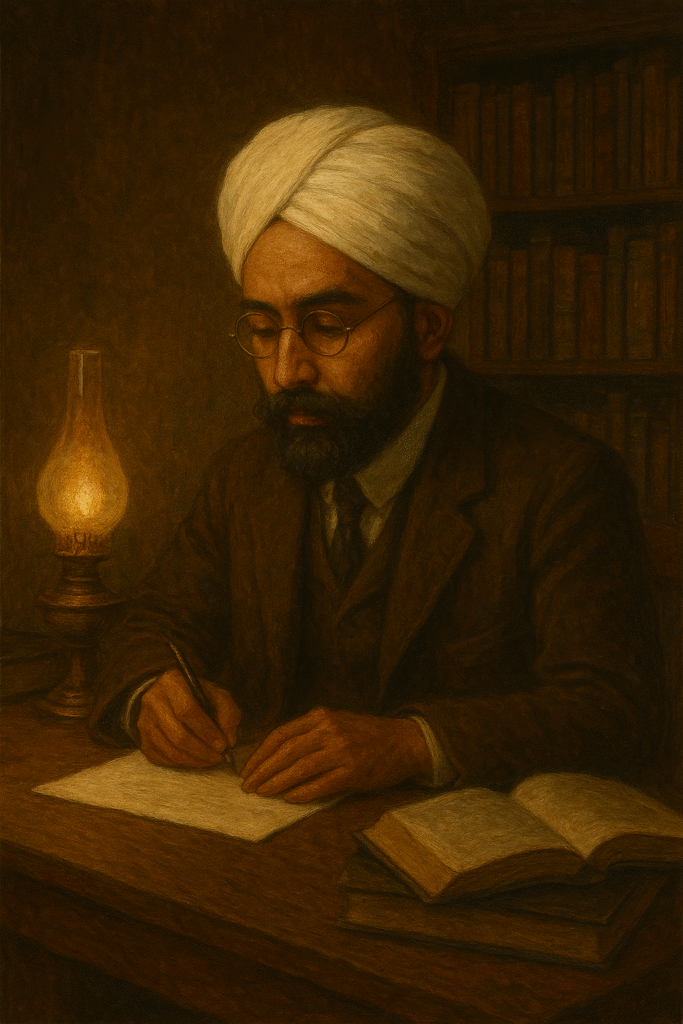
This decision shocked many. Why would a young man with such promise walk away from Oxford? But Har Dayal’s answer was clear: “I will not serve an empire that enslaves my people.” This act of defiance marked the beginning of his political awakening. It was the moment when Har Dayal stopped being a student and became a seeker of truth.
🕉️ 1906–1907: The Influence of Arya Samaj and Swami Vivekananda
After leaving Oxford, Har Dayal returned to India briefly. During this time, he immersed himself in the teachings of Arya Samaj, a reformist Hindu movement founded by Swami Dayanand Saraswati. Arya Samaj emphasized truth, discipline, and national pride—values that resonated deeply with Har Dayal.
He also drew inspiration from Swami Vivekananda, whose speeches on spiritual strength and national awakening stirred the hearts of millions. Vivekananda’s message—that India must rise through self-confidence and service—became a guiding light for Har Dayal. He saw in Vivekananda a model of fearless intellect and moral clarity.
But Har Dayal didn’t stop at spiritual reform. He began reading anarchist literature from Europe—writers like Bakunin, Kropotkin, and Tolstoy. These thinkers challenged the very idea of state power and called for a society based on equality and justice. Har Dayal saw parallels between their ideas and India’s struggle for freedom.
This unique blend of spiritual discipline and political radicalism became the foundation of Har Dayal’s philosophy. He believed that freedom must be earned not just through protest, but through personal transformation. A free India, in his view, required free minds—minds that were fearless, disciplined, and awakened.
✈️ 1908–1910: A Journey Westward — From Scholar to Revolutionary
By 1908, Har Dayal had made a life-changing decision: he would leave India and take his message abroad. He moved first to Paris, then to Algiers, and finally to the United States. His goal was clear—to awaken the Indian diaspora and build a global movement for India’s independence.
In the U.S., Har Dayal began lecturing on Indian philosophy and nationalism, first in New York and later in California. His talks were not just academic—they were calls to action. He urged Indians abroad, especially laborers and students, to rise against British rule.
He settled in San Francisco, where he became a professor of Indian philosophy at Stanford University. But even in academia, Har Dayal remained a revolutionary. He used his lectures to connect ancient Indian wisdom with modern political thought, inspiring his students to think critically about colonialism, identity, and justice.
Har Dayal’s presence in California was magnetic. He spoke with clarity, conviction, and compassion. He didn’t shout—he reasoned. He didn’t command—he inspired. His words reached the hearts of Indian immigrants who had long felt forgotten and voiceless.
🧱 Building the Foundation of Resistance
During these years, Har Dayal began organizing informal study circles and discussion groups. He met with Indian workers—many of whom were employed in harsh conditions on railroads, farms, and factories. These men faced racism, poverty, and isolation. Har Dayal gave them something powerful—a sense of purpose.
He told them: “You are not just laborers. You are the soldiers of India’s freedom.” This message resonated deeply. It laid the groundwork for what would soon become the Ghadar Movement, a global revolutionary network that would shake the foundations of British rule.
Har Dayal believed that revolution begins with education. He encouraged workers to read, reflect, and organize. He taught them about India’s history, its spiritual traditions, and its right to self-rule. He made them believe that they mattered—that their voices could change the world.
📣 1911: The Voice of Resistance Grows Louder
By 1911, Har Dayal had become a vocal critic of British imperialism. He believed that India’s freedom would not come through petitions or polite requests—it would come through organized resistance. He began writing articles, giving speeches, and building networks of like-minded revolutionaries.
He connected with Indian immigrants working on the railroads and farms of California and Canada. These workers were often treated as second-class citizens, denied basic rights and dignity. Har Dayal gave them a new identity—not as victims, but as revolutionaries.
He began publishing pamphlets and essays that challenged colonial narratives. He argued that India was not a backward land in need of British guidance, but a civilization with deep wisdom and strength. He called for armed revolution, but also for intellectual awakening. His message was clear: “India must rise, and every Indian must be part of that rise.”
🧭 What Made This Period So Important?
Between 1905 and 1911, Har Dayal:
- Rejected colonial comfort for national duty.
- Blended Eastern spirituality with Western radicalism.
- Chose exile over silence, using foreign soil to build a freedom movement.
- Inspired ordinary Indians abroad to become extraordinary revolutionaries.
This was not just a political shift—it was a spiritual and intellectual transformation. Har Dayal proved that true revolution begins within—with the courage to question, the strength to sacrifice, and the vision to lead.
He didn’t seek fame, but he earned respect. He didn’t chase power, but he built influence. Har Dayal’s story reminds us that revolution is not just about fighting—it’s about thinking, feeling, and believing.
📜 Sources & Historical Accuracy
- Har Dayal – Wikipedia
- National Indo-American Museum – Gadar: The Call to Revolution
- India’s Struggle for Independence – Bipan Chandra
- The Bodhisattva Doctrines in Buddhist Sanskrit Literature – Har Dayal
- The Salience and Silence of Har Dayal in the Ghadar Movement – Sukhdev Sohal, Guru Nanak Dev University
🌍 Ghadar Movement & Global Activism (1911–1919): The Fire That Crossed Oceans
Between 1911 and 1919, a quiet revolution began in the hearts of Indian immigrants across the world. It wasn’t led by armies or kings—it was led by thinkers, workers, and dreamers. At the center of this movement stood a man who believed that freedom was not a gift, but a right. This phase of his life was marked by global activism, fearless organizing, and a vision that stretched far beyond borders. Let’s explore this journey step by step, in simple language, with emotional depth and historical accuracy.
🛬 1911: Arrival in San Francisco — Planting Seeds of Rebellion
In 1911, he settled in San Francisco, a city known for its diversity and energy. But beneath the surface, Indian immigrants—mostly Punjabi farmers and laborers—were struggling. They faced racism, low wages, and isolation. Many had left their villages in search of opportunity, only to find discrimination and hardship.
He saw their pain and their potential. He began organizing study circles, meeting workers in gurdwaras, fields, and railway camps. He didn’t speak to them as a leader—he spoke to them as a brother. He told them: “You are not just workers. You are the future of India.”
This message was powerful. For the first time, these immigrants felt seen, heard, and valued. They began to believe that they could be part of something bigger—a movement that could change history.
📰 1913: Birth of the Ghadar Party — A Revolution in Print
By 1913, the movement had grown strong enough to take shape. In San Francisco, he and a group of committed revolutionaries founded the Ghadar Party. The word “Ghadar” means rebellion—and that’s exactly what they stood for.
The party’s goal was clear: to overthrow British rule in India through armed revolution. But their weapons were not just guns—they were ideas, stories, and truth. They launched a newspaper called “Ghadar”, which became the heartbeat of the movement.
Published in Punjabi, Urdu, Hindi, and English, the newspaper reached thousands of Indians across the globe. It carried stories of bravery, injustice, and hope. It urged readers to return to India and fight for freedom. It exposed the cruelty of colonial rule and reminded Indians of their rich heritage.
The Ghadar newspaper was more than ink on paper—it was a call to arms. It was read in homes, farms, and ships. It was smuggled into India, passed hand to hand, and whispered in secret meetings. It became the voice of a silent revolution.
🌐 1914–1915: Building a Global Network of Rebels
The movement didn’t stay in California. It spread like wildfire across Canada, Germany, Japan, and Southeast Asia. He traveled, wrote letters, and built alliances with revolutionaries from different backgrounds. He believed that India’s freedom was a global cause, and that every Indian—no matter where they lived—had a role to play.
In Canada, Ghadar activists faced brutal laws and surveillance. In Germany, they found support from anti-British groups during World War I. In Japan, they connected with Asian thinkers who shared their vision of liberation.
This global network was not easy to build. It required courage, secrecy, and trust. But it worked. Thousands of Indians abroad began returning home, ready to join the fight. Ships full of revolutionaries sailed back to India, carrying not just weapons, but dreams.
🚨 1914–1915: Arrest and Exile — The Price of Defiance
As the movement gained momentum, colonial powers grew nervous. In the United States, British pressure led to his arrest. He was accused of inciting rebellion and disturbing peace. But the Indian community rallied behind him. Protests erupted, letters poured in, and demands for his release grew louder.
Eventually, he was released, but the message was clear: the empire was watching. To avoid further danger, he fled to Switzerland, and later to Berlin, where he continued his revolutionary work.
In Berlin, he worked with the Indian Independence Committee, a group of exiled nationalists who sought German support against Britain during World War I. He helped draft plans for uprisings, coordinated with Ghadar activists, and kept the flame of resistance alive.
Even in exile, he never stopped. His pen remained sharp, his mind focused, and his heart loyal to India.
🧭 1916–1919: The War Years — Strategy, Sacrifice, and Silence
World War I created a unique opportunity. Britain was stretched thin, and revolutionaries saw a chance to strike. The Ghadar Party planned mutinies within the British Indian Army, hoping to spark a nationwide revolt. Though many plans were foiled, the spirit of rebellion remained strong.
During these years, he maintained a low profile. He wrote, advised, and strategized from afar. His silence was not weakness—it was wisdom. He knew that revolutions needed patience, and that every setback was a lesson.
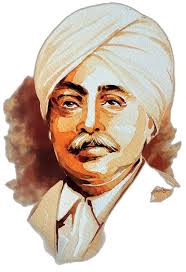
The Ghadar Movement faced betrayals, arrests, and executions. But it also built a legacy of courage. It showed that freedom was worth fighting for, even at great cost.
🕊️ Legacy of the Ghadar Years
Between 1911 and 1919, this movement:
- United Indians across continents under one cause.
- Empowered workers and students to become revolutionaries.
- Challenged colonial narratives with truth and pride.
- Laid the foundation for future uprisings, including the INA and Quit India Movement.
The Ghadar Party didn’t achieve immediate independence. But it awakened a generation. It proved that India’s freedom was not a distant dream—it was a living fire in the hearts of its people.
📜 Sources
- Ghadar Movement – SHRI RAM IAS
- Ghadar Party – Vajiram & Ravi
- The Salience and Silence of Har Dayal – Guru Nanak Dev University
📚 Philosophical & Literary Contributions (1920–1939): The Pen That Carried a Nation’s Soul
From 1920 to 1939, the revolutionary spirit that once stirred global uprisings found a quieter, deeper expression in the form of books, lectures, and philosophical thought. This was the final chapter of a remarkable life—not of retreat, but of refinement. Having ignited minds across continents, he now turned inward, choosing to shape the future through education, cultural reform, and self-discipline. Let’s explore this profound phase of his life, step by step, in simple, emotionally resonant language for Indian readers.
✍️ 1920: A New Beginning — From Revolution to Reflection
After years of underground activism, global travel, and political risk, he made a conscious shift. The world had changed after World War I. The Ghadar Movement had faced setbacks, and many of its leaders were imprisoned or exiled. But he understood that revolutions are not only fought with weapons—they are also fought with ideas.
He began to focus on philosophy, education, and cultural reform. His mission was no longer just to overthrow colonial rule, but to rebuild the Indian mind—to awaken a generation that could think freely, live ethically, and act with purpose.
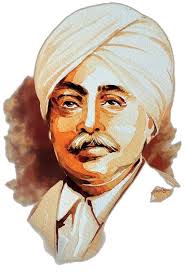
This was not a retreat. It was a redirection. He believed that true freedom begins within, and that a liberated India needed liberated minds.
🏙️ 1920s: Life in London — The Thinker Among Thinkers
He moved to London, where he immersed himself in intellectual circles. He joined the South Place Ethical Society, a group of humanists, rationalists, and reformers. Here, he found a space to speak, write, and share his evolving ideas.
He gave lectures on democracy, secularism, and rational living. He spoke not just to Indians, but to global audiences. His words carried the weight of experience and the clarity of conviction.
In London, he began writing some of his most influential works. These were not political manifestos—they were manuals for self-transformation. He believed that every individual had the power to shape their destiny through discipline, knowledge, and moral courage.
📖 His Major Works: Books That Still Speak to Us
Let’s explore his key literary contributions, each a reflection of his deep thinking and timeless relevance:
1. Our Educational Problem
In this book, he critiques the colonial education system, arguing that it produces clerks, not creators. He calls for an education rooted in Indian values, critical thinking, and national pride. He believed that education should not just fill minds—it should ignite them.
2. Hints for Self Culture
Perhaps his most beloved work, this book is a guide to personal growth. It covers everything from reading habits to physical health, from moral discipline to intellectual curiosity. He writes:
“Life is a wonderful privilege. It imposes great duties. It demands the fulfilment of great tasks and the realisation of noble ideals.”
This book remains a blueprint for self-improvement, especially for students and young leaders.
3. Thoughts on Education
Here, he expands on his vision of a liberating education. He emphasizes character-building, independent thinking, and service to society. He warns against blind imitation of the West and urges Indians to rediscover their own intellectual traditions.
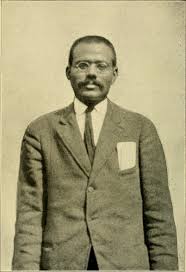
4. Glimpses of World Religions
A comparative study of major faiths, this book reflects his deep respect for spiritual diversity. He believed that all religions, at their core, teach compassion, truth, and selflessness. His tone is not dogmatic—it is curious, respectful, and inclusive.
5. The Bodhisattva Doctrines in Buddhist Sanskrit Literature
This scholarly work explores the philosophy of compassion and self-sacrifice in Mahayana Buddhism. It shows his mastery of Sanskrit and his ability to connect ancient wisdom with modern ethics. It remains a respected academic text in Buddhist studies.
🌱 Core Values: What He Stood For
Across all his writings and lectures, certain themes shine through:
- Self-Discipline: He believed that personal freedom begins with self-control. A disciplined life, he argued, leads to clarity, strength, and purpose.
- Rationalism: He rejected superstition and blind faith. He encouraged people to question, reason, and seek truth through logic and experience.
- Cultural Pride: He urged Indians to reconnect with their heritage—not as a museum piece, but as a living source of strength. He believed that India’s future depended on its ability to honor its past while embracing progress.
- Service to Humanity: His vision was not limited to India. He saw himself as a citizen of the world, committed to justice, peace, and human dignity.
🏠 Final Years in Philadelphia — The Quiet Flame
In the 1930s, he moved to Philadelphia, USA, where he continued to write and lecture. He lived simply, taught philosophy, and mentored young minds. Though far from India, his heart remained rooted in its soil.
He passed away on 4 March 1939, at the age of 54. His death was quiet, but his legacy was loud. He left behind not just books, but a blueprint for living with purpose.
🌟 Why This Phase Matters
This final chapter of his life teaches us that revolution is not just about fighting—it’s about building. It’s about shaping minds, nurturing values, and preparing the next generation to lead with wisdom.
He showed us that a pen can be as powerful as a sword, and that true leadership begins with self-leadership.
📜 Sources
🕊️ Final Years & Death (1930–1939): The Quiet Flame That Never Went Out
Har Dayal’s final decade was not marked by noise or headlines—but by quiet brilliance, deep reflection, and unwavering commitment to truth. After years of revolutionary activism, global organizing, and fearless writing, he spent his last years in simplicity, far from the land he loved, yet never disconnected from its soul. This is the story of his final chapter—a story of silence, strength, and legacy.
🏠 A Life of Simplicity in Philadelphia
In the early 1930s, Har Dayal moved to Philadelphia, USA, a city known for its revolutionary past. It was a fitting place for a man who had spent his life challenging empires—not with weapons, but with words and ideas. He lived modestly, often in solitude, dedicating his time to writing, reading, and mentoring.
He had no political office, no grand title, and no wealth. But he had something far more powerful: a mind that never stopped questioning, and a heart that never stopped caring for India.
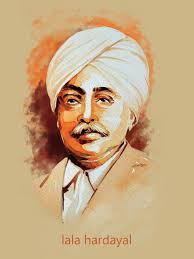
Despite being thousands of miles away, he followed India’s freedom struggle closely. He read newspapers, wrote letters, and stayed in touch with fellow thinkers and activists. He believed that freedom was inevitable, and that his role was to prepare minds for the responsibilities that would come with it.
📚 A Legacy of Thought, Not Just Action
During these years, Har Dayal continued to write. His works—Hints for Self Culture, Our Educational Problem, and The Bodhisattva Doctrines—were not just books. They were blueprints for a better society.
He believed that India’s future depended not just on political freedom, but on intellectual and moral awakening. He urged young Indians to read widely, think critically, and live ethically. His writings were filled with clarity, courage, and compassion.
He also gave lectures at local institutions, sharing his insights on philosophy, education, and world religions. His audiences were small, but deeply impacted. He didn’t seek applause—he sought understanding.
🛏️ 4 March 1939: A Quiet Departure
On the night of 4 March 1939, Har Dayal passed away in his sleep in Philadelphia. He was just 54 years old. There was no grand farewell, no state funeral. But three days later, The New York Times published his obituary—a rare honor for an Indian revolutionary in exile.
His death was quiet, but his life had been thunderous in its impact. He had challenged colonialism, inspired revolutionaries, and written works that would outlive him.
🌍 A Legacy That Crossed Borders
Har Dayal’s legacy is not confined to one country or one movement. It is global, intellectual, and deeply human.
- He inspired the Ghadar Movement, which united Indian immigrants across continents in the fight for freedom.
- He mentored thinkers and students in Europe, America, and Asia.
- He left behind a body of work that continues to guide educators, reformers, and seekers.
His life was proof that one person, armed with knowledge and conviction, can shake empires.
🪔 Remembering the Man Behind the Mission
What made Har Dayal extraordinary was not just his intellect—but his integrity. He gave up comfort, fame, and even his homeland for the sake of truth. He lived simply, thought deeply, and acted bravely.
He didn’t crave recognition. In fact, he often avoided the spotlight. But those who knew him, or read his works, understood his greatness.
Today, his name may not be as widely known as some of his contemporaries. But his influence runs deep—like the roots of a tree that holds the soil of a nation together.
📜 Sources:
- Har Dayal – Wikipedia
- Death of Lala Har Dayal – BYJU’S This Day in History
- Lala Har Dayal – The Lost Revolutionary, Organiser
🏛️ Legacy: The Mind That Lit a Thousand Torches
Some revolutionaries leave behind slogans. Others leave behind statues. But Har Dayal left behind something far more powerful—ideas. His legacy is not carved in stone, but etched in the minds of those who dare to think, question, and build.
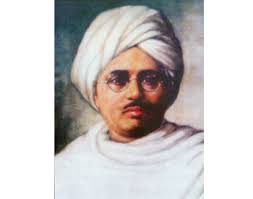
📮 1987: Honored with a Postage Stamp
In recognition of his contributions, the Government of India issued a commemorative postage stamp in 1987. It wasn’t just a tribute—it was a reminder. A reminder that Har Dayal, though once exiled and forgotten by many, was one of the intellectual giants of India’s freedom struggle.
The stamp bore his image, but it carried his spirit—a spirit of clarity, courage, and conviction. It traveled across homes, offices, and letters, silently telling the story of a man who chose principle over privilege.
🧠 Architect of the Ghadar Movement
Har Dayal didn’t just join the Ghadar Movement—he built its foundation. He gave it direction, depth, and discipline. While others rallied crowds, he shaped minds. He wrote the manifestos, edited the newspaper, and connected revolutionaries across continents.
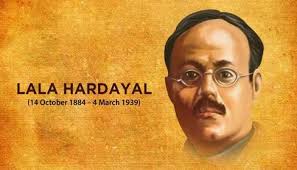
He believed that freedom must be earned through sacrifice and sustained through thought. His vision turned farmers into fighters, students into strategists, and immigrants into insurgents. The Ghadar Movement may have been born in California, but its heartbeat was Har Dayal’s intellect.
📚 A Legacy of Writings That Still Speak
His books—Hints for Self Culture, Our Educational Problem, Thoughts on Education, and The Bodhisattva Doctrines—are not just historical artifacts. They are living guides.
- Students read him to learn discipline.
- Teachers quote him to inspire clarity.
- Reformers cite him to challenge systems.
His words continue to echo in classrooms, libraries, and hearts. They remind us that revolution begins with reflection, and that the most powerful weapon is a well-trained mind.
🌱 Why Har Dayal Still Matters
In today’s world of noise and haste, Har Dayal’s life is a lesson in quiet strength. He didn’t chase fame. He didn’t seek applause. He chose truth, even when it meant exile. He chose thought, even when it meant solitude.
His legacy teaches us:
- To live with purpose
- To think with clarity
- To act with courage
Har Dayal may have died in a distant land, but his ideas continue to guide India’s journey toward wisdom, dignity, and freedom.
🕊️ Conclusion: The Flame That Lit Minds, Not Just Fires
Har Dayal’s life was not a tale of noise—it was a symphony of thought, sacrifice, and quiet strength. He didn’t march with crowds or shout slogans from podiums. He chose a different battlefield: the human mind. And on that battlefield, he won hearts, shaped revolutions, and built a legacy that still breathes through the pages of history.
Born in Delhi, raised in the shadow of colonial rule, Har Dayal could have chosen comfort. He could have climbed the ladder of British approval, worn medals, and lived in mansions. But he chose truth. He walked away from Oxford, from the Indian Civil Service, and from every promise of privilege. Why? Because he believed that freedom was not a favor—it was a birthright.
His journey took him across continents—from Delhi to Lahore, Oxford to San Francisco, Berlin to Philadelphia. In every city, he planted seeds of rebellion—not with violence, but with vision. He taught workers to think, students to question, and immigrants to believe. He built the Ghadar Movement not with money, but with meaning. He edited newspapers, wrote manifestos, and connected minds across oceans.
And then, when the world was watching, he stepped back. He chose silence over spotlight. In his final years, Har Dayal became a philosopher, a teacher, a mentor. He wrote books that still guide us—on education, self-discipline, and spiritual clarity. He lived simply, thought deeply, and died quietly. But his ideas never stopped speaking.
Har Dayal’s legacy is not just in what he did—it’s in what he stood for. He stood for integrity in a world of compromise. He stood for intellect in a time of ignorance. He stood for India—not just as a nation, but as a civilization of thinkers, dreamers, and doers.
Today, as we scroll through screens and chase trends, Har Dayal reminds us to pause. To read. To reflect. To ask: What kind of India are we building? His life is a mirror—and in that mirror, we see the power of one mind, one voice, one flame.
He may have died in Philadelphia, far from the land he loved. But his soul never left India. It lives in every student who dares to question, every teacher who dares to inspire, and every citizen who dares to dream.
Har Dayal didn’t just fight for freedom. He taught us how to deserve it.
🧠 Still Curious About Har Dayal’s Mind?
History remembers Har Dayal as a revolutionary. But behind the movements was a thinker who challenged how we live, learn, and lead. His questions were sharper than swords—and his answers still echo today.
- 💬 What did Har Dayal sacrifice that most revolutionaries never had to?
- 💬 What would he say to young Indians scrolling through social media today?
- 💬 What was his greatest fear—not for himself, but for India?
- 💬 What did he see in immigrant laborers that others missed?
- 💬 If he returned to India in the 1930s, what would he have done differently from Gandhi or Nehru?
👉 Read the full Q&A and reflect.
👉 Share your favorite question on Instagram or Threads with #HistoryVerse7
👉 Tag someone who needs to hear Har Dayal’s message today.
📘 FAQ: Understanding Har Dayal
1. What did Har Dayal sacrifice that most revolutionaries never had to?
Answer:
Har Dayal sacrificed not just comfort or safety—but intellectual prestige. He walked away from Oxford, from the Indian Civil Service, and from global academic recognition. While many fought with weapons, he gave up the very tools of empire—titles, scholarships, and status—to remain morally free.
2. If Har Dayal had returned to India in the 1930s, what would he have done differently from Gandhi or Nehru?
Answer:
He would have built schools before speeches. Har Dayal believed that revolutions must begin in classrooms. Unlike Gandhi’s mass mobilization or Nehru’s political diplomacy, Har Dayal would have focused on educating minds to resist quietly, think clearly, and act ethically—starting with the youth.
3. What was Har Dayal’s greatest fear—not for himself, but for India?
Answer:
His deepest fear was that India would gain political freedom but lose intellectual independence. He worried that Indians might replace British rulers with Indian elites, without changing the mindset of obedience, imitation, and shallow pride. He wanted a nation of thinkers, not just voters.
4. What did Har Dayal see in immigrant laborers that others missed?
Answer:
He saw untapped fire. Where others saw poverty and illiteracy, Har Dayal saw raw courage, ancestral wisdom, and revolutionary potential. He believed that these workers—far from home, hardened by struggle—were the perfect soil for rebellion. He gave them purpose, not pity.
5. If Har Dayal were alive today, what would he say to young Indians scrolling through social media?
Answer:
He’d say: “Don’t just consume—create. Don’t just follow—question. Don’t just react—reflect.”
Har Dayal would urge them to use digital platforms not for distraction, but for discipline, dialogue, and discovery. He’d see the internet as a battlefield of ideas—and ask every youth to be a warrior of thought.
Share this content:

आपल्या भारतात होऊन गेलेले हुतात्मे आणि त्यांचा इतिहास तुम्ही खरच खूप चागल्या पद्धतीने लिहिताय वाचन करत असताना ते कळून येत…धन्यवाद आम्हांला माहीत नसलेला इतिहास सुद्धा आज वाचन करायला मिळतोय….👍👌
Very informative History you spread 🚩🚩👍🏻✨