
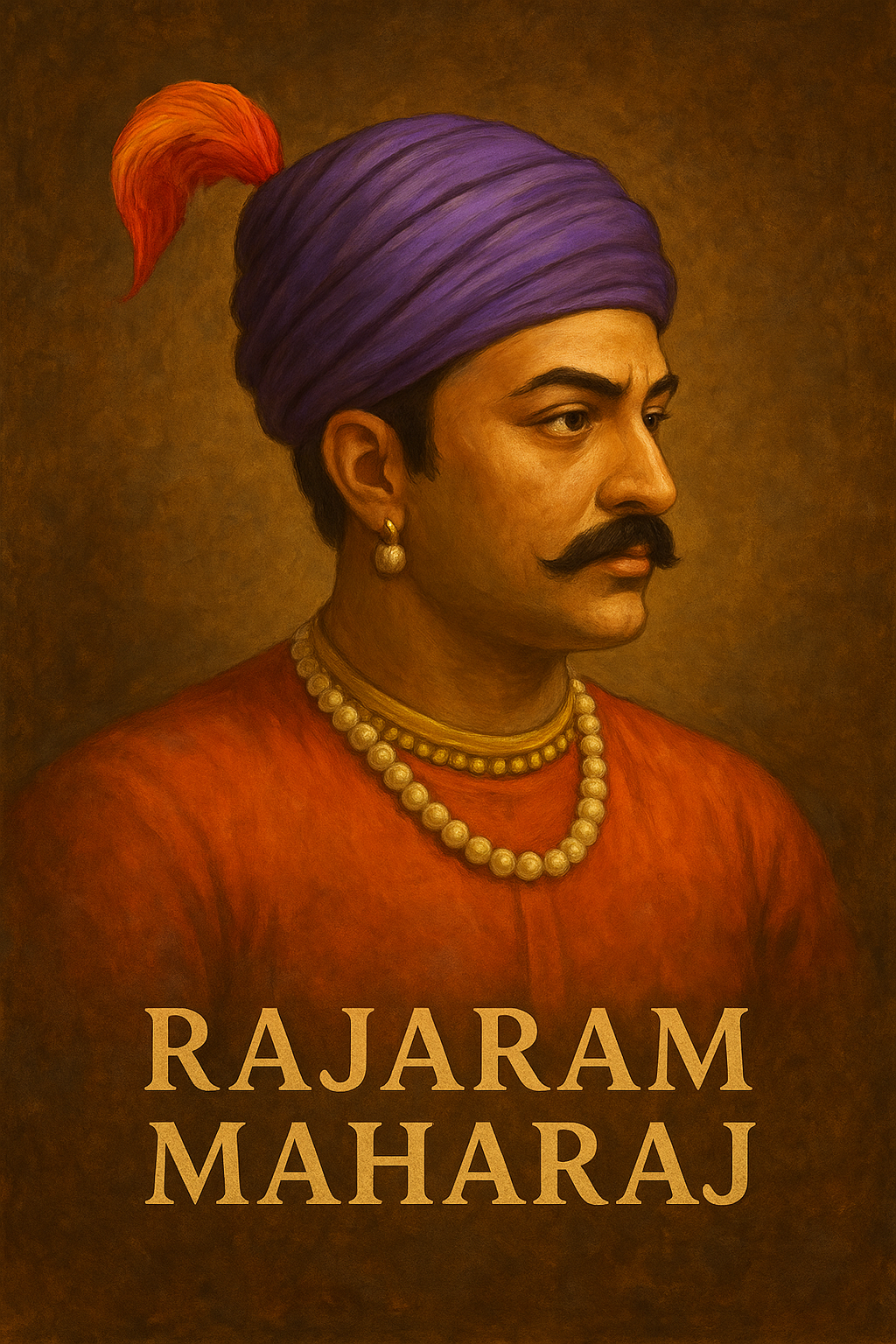
🔥 Before You Understand Rajaram Maharaja
The story of Rajaram Maharaja begins where another ends—with the fearless sacrifice of Sambhaji Maharaj. To truly grasp Rajaram’s courage, exile, and leadership, you must first witness the fire that shaped his path.
👉 Read the full tribute to Sambhaji Maharaj on HistoryVerse7.com
👉 Reflect on the cost of freedom before you meet the king who carried its flame
👉 Then continue the journey with Rajaram Maharaja and Rani Tarabai
🔥 राजाराम महाराज को समझने से पहले
राजाराम महाराज की कहानी वहीं से शुरू होती है जहाँ संभाजी महाराज की वीरगति ने इतिहास को झकझोर दिया। राजाराम की वीरता और नेतृत्व को समझने के लिए पहले उस बलिदान को जानिए जिसने स्वराज की मशाल जलाए रखी।
👉 HistoryVerse7.com पर संभाजी महाराज की पूरी गाथा पढ़ें
👉 स्वराज की कीमत को महसूस करें, फिर जानिए उस राजा को जिसने उसकी लौ को जीवित रखा
👉 इसके बाद पढ़ें राजाराम महाराज और रानी ताराबाई की प्रेरक यात्रा
🏹 Rajaram Maharaja: The Relentless Flame of Swarajya
In the chronicles of Indian history, few names carry the quiet intensity of Rajaram Maharaja—a king not born to rule, but destined to rescue a crumbling empire. When the Maratha throne was shaken by the brutal execution of Sambhaji Maharaj in 1689, it was Rajaram Maharaja who stepped forward—not with grandeur, but with grit. His story is not one of conquest, but of resilience, strategy, and sacrifice. And beside him, in every chapter of struggle, stood a woman whose courage matched his own—Rani Tarabai, his wife, his comrade, and the lioness who would later lead an empire..
Born in 1670 to Shivaji Maharaj and Soyarabai, Rajaram Maharaja grew up in the shadow of greatness. His elder brother Sambhaji was groomed for leadership, while Rajaram was seen as the quiet prince. But destiny had other plans. After Sambhaji’s death at the hands of Aurangzeb, the Mughal army closed in on Raigad Fort. The Maratha Empire was on the brink of collapse. In a daring escape, Rajaram Maharaja fled Raigad, accompanied by loyal commanders and his young wife Tarabai, daughter of Hambirrao Mohite, the Maratha army chief.
The journey south was perilous. But in the heart of Tamil Nadu, at Gingee Fort, Rajaram Maharaja was crowned Chhatrapati. It was a coronation not of celebration, but of survival. From 1689 to 1700, he ruled in exile—1,200 kilometers away from Maharashtra, yet never distant from the soul of Swarajya. His reign was marked by guerrilla warfare, decentralized leadership, and relentless defiance. He empowered generals like Santaji Ghorpade and Dhanaji Jadhav to strike deep into Mughal territory, while he fortified the southern front.
Rajaram Maharaja was not a king of palaces—he was a king of purpose. His leadership was quiet but fierce. He understood that Swarajya could not be won through brute force alone—it needed endurance, adaptability, and unity. And in this mission, Rani Tarabai was more than a consort. She was his strategist, his confidante, and his equal. While Rajaram fought from the front, Tarabai managed internal affairs, built alliances, and prepared for the future.
In 1698, Rajaram Maharaja returned to Maharashtra, continuing the resistance from forts like Sinhagad and Satara. But his health was failing. On 3 March 1700, he died at Sinhagad Fort, just 30 years old. His death could have shattered the Maratha dream. But it didn’t—because Rani Tarabai rose.
At just 25, Tarabai declared her son Shivaji II as Chhatrapati and assumed regency. She led the empire with unmatched courage, issuing orders, commanding armies, and refusing to surrender to Aurangzeb. From 1700 to 1707, she became the face of Maratha resistance. Her leadership ensured that Rajaram Maharaja’s sacrifice was not in vain. She preserved the empire, protected its identity, and proved that Swarajya was not just a man’s mission—it was a shared legacy.
Today, Rajaram Maharaja remains one of the most underrated figures in Indian history. Overshadowed by the fiery martyrdom of Sambhaji and the visionary reign of Shivaji, his story is often forgotten. But in truth, he was the bridge between collapse and resurgence. He was the king who ruled from exile, fought without fanfare, and laid the foundation for the Maratha revival under Shahu and the Peshwas.
His legacy is not loud—it is lasting. Rajaram Maharaja teaches us that leadership is not about titles, but about tenacity. That true courage is not in victory, but in perseverance. That even in exile, one can reign with dignity and impact.
For modern audiences, especially the youth scrolling through reels and carousels, Rajaram Maharaja’s story is a reminder: you don’t need a throne to lead—you need conviction. You don’t need applause to matter—you need purpose. And when paired with a partner like Rani Tarabai, that purpose becomes unstoppable.
As we honor him through blogs, podcasts, and visual storytelling, let us not merely remember Rajaram Maharaja—let us reclaim him. Let us tell his story with the emotional depth it deserves, the historical accuracy it demands, and the legacy tone that HistoryVerse7 stands for.
Because Swarajya was not saved by one man—it was sustained by many. And Rajaram Maharaja, with Rani Tarabai by his side, was its relentless flame.
Table of Contents
🏰 Reimagined Speech of Rajaram Maharaj
Location: Jinji Fort, Tamil Nadu
Date: 12 February 1689
Occasion: Coronation of Rajaram Maharaj as Chhatrapati
Motive: To declare continuation of Swarajya after Sambhaji Maharaj’s martyrdom
Audience: Maratha sardars, southern allies, commanders, and local supporters
“My brothers in arms,
Today, I do not stand before you as a prince seeking a crown. I stand as a son of Shivaji Maharaj, a brother to Sambhaji Maharaj, and a servant of Swarajya.
The soil of Maharashtra bleeds. Our forts are under siege. Our people are hunted. And yet—our spirit is unbroken.
I have not come to Jinji to escape. I have come to ignite. From this southern bastion, we will strike. We will confuse, we will scatter, and we will rise.
Let the world know: Rajaram Maharaj does not rule from fear. I rule from fire.
I entrust each of you—not with land or gold—but with a greater duty: to carry forward the flame of Swarajya. Let our swords be swift, our minds sharper, and our hearts unshaken.
Aurangzeb may have armies, but we have conviction. He may have Delhi, but we have Dharma.
Let this coronation not be a celebration, but a vow. A vow that we will not rest until every fort echoes with the name of Swarajya.
I am Rajaram Maharaj, son of the soil, voice of the people, and guardian of a dream.
And I swear upon the memory of my father and brother—this war is not over. It has only just begun.”
⚔️ 1689 – The Turning Point: How Rajaram Maharaja Reignited Swarajya from the Ashes of Sacrifice
In the annals of Maratha history, the year 1689 stands like a burning torch—illuminating both tragedy and triumph. It was the year when Sambhaji Maharaj, the fearless son of Shivaji Maharaj, was brutally executed by Aurangzeb. It was also the year when Rajaram Maharaja, Shivaji’s younger son, escaped Raigad Fort and carried the flame of Swarajya to the distant hills of Tamil Nadu. From exile, he rose—not just as a king, but as a symbol of resilience. And beside him stood Rani Tarabai, a woman whose courage would later shake empires.
This blog explores the events of 1689 step by step, with emotional depth, historical accuracy, and a legacy tone that honors the spirit of Swarajya.
🔥1: The Martyrdom That Shook an Empire
In early 1689, Sambhaji Maharaj was captured by Mughal forces near Sangameshwar. For over a year, Aurangzeb had tried to break the Maratha resistance. Sambhaji’s capture was seen as a final blow. But instead of surrendering, Sambhaji chose silence and defiance. He refused to convert to Islam, refused to bow, and endured brutal torture—his eyes gouged, tongue cut, and body mutilated.
His execution was not just a death—it was a message of resistance. It sent shockwaves across Maharashtra. The Maratha Empire was leaderless, vulnerable, and surrounded. But Sambhaji’s sacrifice lit a fire that would not be extinguished.
Book Reference:
- Sambhaji by Vishwas Patil
- Advanced Study in the History of Medieval India by J.L. Mehta
🏃♂️2: Rajaram Maharaja’s Daring Escape from Raigad
With Sambhaji gone, the Mughal army turned its eyes to Raigad Fort, the seat of Maratha power. Inside the fort was Rajaram Maharaja, just 19 years old, along with his wife Tarabai and loyal commanders. Aurangzeb’s forces surrounded the fort, hoping to capture the last heir of Shivaji.
But Rajaram was not ready to die. In a secret midnight operation, he escaped Raigad with a handful of trusted warriors. Disguised and protected by commanders like Khando Ballal and Santaji Ghorpade, he began a journey that would span over 1,200 kilometers.
This escape was not just physical—it was symbolic. It was the survival of Swarajya’s soul.
Book Reference:
- Rajaram I – Wikipedia
- Maratha History by Govind Sakharam Sardesai
🗺️ Part 3: The Journey to Jinji (Gingee) Fort
Rajaram’s destination was Jinji (Gingee) Fort in Tamil Nadu—a fortress known for its massive walls, triple citadels, and strategic location. The journey was treacherous. Mughal patrols, harsh terrain, and lack of resources made every step a challenge.
But Rajaram’s vision was clear: preserve the Maratha leadership, regroup the forces, and continue the resistance. Gingee was far from Aurangzeb’s reach, and its defenses were legendary. It became the new capital of the Maratha Empire in exile.
This move was a masterstroke. It allowed Rajaram to launch guerrilla attacks, confuse Mughal strategies, and keep Swarajya alive from the south.
Book Reference:
- The Siege of Gingee (1690–1698) – ShreeHistory
- Maratha Rulers and Administration by S.R. Bakshi
👑 Part 4: Rajaram Maharaja Crowned in Exile
In September 1689, Rajaram Maharaja was crowned Chhatrapati at Gingee Fort. It was not a coronation of grandeur—it was a coronation of grit. Far from Maharashtra, surrounded by uncertainty, Rajaram accepted the crown not as a privilege, but as a responsibility.
He became the third king of the Maratha Empire, ruling from exile. But his leadership was revolutionary. He empowered local commanders, decentralized warfare, and turned the Maratha resistance into a network of guerrilla strikes.
Generals like Santaji Ghorpade and Dhanaji Jadhav attacked Mughal camps, disrupted supply lines, and kept Aurangzeb’s forces on edge. Rajaram’s reign was a lesson in adaptive warfare.
Book Reference:
- Rajaram I – Wikipedia
- Maratha History by Govind Sakharam Sardesai
👸 Tarabai: The Lioness Beside the King
While Rajaram fought from the front, Rani Tarabai managed internal affairs, built alliances, and prepared for future leadership. She was not just a queen—she was a strategist, a warrior, and a visionary.
Her presence during the escape, her support during the exile, and her rise after Rajaram’s death in 1700 prove that Swarajya was a shared legacy. Tarabai would later become regent for her son Shivaji II and lead the empire against Aurangzeb herself.
Her courage was forged in 1689—and it never faded.
Book Reference:
- Tarabai: The Rebel Queen – Sahapedia
- Women in Maratha Politics by Usha Thakkar
🔥 Legacy of 1689: The Flame That Refused to Die
The events of 1689 were not isolated—they were foundational. Sambhaji’s martyrdom lit the fire. Rajaram’s escape carried it forward. His coronation at Gingee ensured that Swarajya would not be buried under Mughal conquest.

This year taught us that leadership is not about location—it’s about conviction. That even in exile, a king can reign. That even in grief, a queen can rise. And that Swarajya is not just a political idea—it is an emotional force.
📚 Sources & References
- Sambhaji by Vishwas Patil
- Advanced Study in the History of Medieval India by J.L. Mehta
- Rajaram I – Wikipedia
- Maratha History by Govind Sakharam Sardesai
- Maratha Rulers and Administration by S.R. Bakshi
- The Siege of Gingee (1690–1698) – ShreeHistory
- Tarabai: The Rebel Queen – Sahapedia
- Women in Maratha Politics by Usha Thakkar
Still think Swarajya ended with Shivaji Maharaj?
Meet the minds and hearts who kept the flame alive.
- 💬 Who was crowned king 1,200 km away from Maharashtra?
- 💬 Which queen led armies against Aurangzeb?
👉 Read their untold story.
👉 Share this legacy with #HistoryVerse7
👉 Tag someone who should know the name Rajaram Maharaja
🏹 1690–1698 – The Southern Resistance: How Rajaram Maharaja, Tarabai, and the Maratha Generals Defied Aurangzeb’s Empire
🔥 Introduction: When Swarajya Was on the Run
In the aftermath of Sambhaji Maharaj’s execution in 1689, the Maratha Empire stood on the edge of collapse. Aurangzeb, the Mughal emperor, had unleashed his fury on Maharashtra, determined to crush the dream of Hindavi Swarajya once and for all. The capital Raigad was surrounded. The royal family was under siege. And the only surviving heir, Rajaram Maharaja, was forced to flee.
But instead of surrendering, Rajaram chose resistance. He escaped Raigad with his wife Tarabai, loyal commanders, and a handful of warriors. Their destination was Jinji Fort in Tamil Nadu—over 1,200 kilometers away. There, Rajaram would be crowned Chhatrapati in exile and begin a new chapter of Maratha defiance.
Between 1690 and 1698, Rajaram Maharaja led a decentralized, guerrilla-style war against the Mughals. From the southern hills of Jinji, he coordinated attacks, empowered generals, and kept Swarajya alive. Tarabai managed internal affairs, prepared for succession, and later emerged as a warrior queen. Generals like Santaji Ghorpade and Dhanaji Jadhav became legends, striking fear into Mughal camps.
This blog explores those eight years in detail—step by step, with emotional depth, historical clarity, and legacy tone. Because Swarajya didn’t die with Sambhaji—it was reborn with Rajaram.
🏰1: Jinji Fort – The Southern Capital of Swarajya
Jinji Fort, located in present-day Tamil Nadu, was no ordinary fortress. Spread across three massive hills—Krishnagiri, Rajagiri, and Chandrayandurg—it was a marvel of medieval engineering. Its walls stretched for kilometers, its citadels were nearly impregnable, and its location was perfect for resisting Mughal advances.
When Rajaram arrived in late 1689, Jinji was under Nayak control. But with strategic diplomacy and military pressure, the Marathas took control. In September 1689, Rajaram was crowned Chhatrapati at Jinji, becoming the third king of the Maratha Empire.

This coronation was not about ceremony—it was about survival. Rajaram ruled from exile, far from Maharashtra, but close to the heart of Swarajya. He declared Jinji the new capital and began reorganizing the empire. His leadership was quiet, strategic, and deeply rooted in Shivaji’s legacy.
From Jinji, Rajaram coordinated guerrilla attacks, managed communication with Maharashtra, and built alliances with southern kingdoms like Thanjavur and Madurai. He turned a fortress into a flame—and that flame refused to die.
Sources:
⚔️2: Guerrilla Warfare – Rajaram’s Tactical Genius
Rajaram Maharaja didn’t have the luxury of large armies or fortified cities. What he had was strategy. He revived and refined guerrilla warfare, a tactic pioneered by his father Shivaji. Instead of direct battles, Maratha forces launched surprise raids, ambushes, and swift attacks.
Rajaram decentralized command. He gave autonomy to local generals, allowing them to strike independently. This confused Mughal forces, who were used to conventional warfare. Supply lines were cut. Forts were retaken. Mughal morale began to crack.
One of Rajaram’s boldest moves was empowering Santaji Ghorpade and Dhanaji Jadhav. These generals became the blades of Swarajya, attacking Mughal camps, looting resources, and even reaching Aurangzeb’s tent.
Rajaram’s genius lay in his ability to lead from afar. He didn’t micromanage—he inspired. His letters to commanders were filled with encouragement, tactical advice, and unwavering belief in Swarajya.
Even as Jinji was besieged for eight years, Rajaram kept the resistance alive. He escaped in 1697, returned to Maharashtra, and continued the fight until his death in 1700.
Sources:
- Siege of Jinji – Detailed Pedia
- Advanced Study in the History of Medieval India by J.L. Mehta
🛡️3: Santaji Ghorpade and Dhanaji Jadhav – The Blades of Swarajya
Santaji Ghorpade and Dhanaji Jadhav were not just generals—they were legends. Under Rajaram’s command, they launched some of the most daring campaigns in Maratha history.
Santaji was known for his speed, unpredictability, and fearlessness. He once captured Mughal artillery and used it against them. His raids near Aurangzeb’s camp became folklore. He was the embodiment of guerrilla warfare.
Dhanaji was a master strategist. He led deep incursions into Mughal territory, coordinated with southern allies, and ensured that Maratha forces never ran out of supplies. His ability to adapt made him invaluable.
Together, they kept Maharashtra burning with resistance. Their actions forced Aurangzeb to divert massive resources, weakening his grip on other regions.
Rajaram trusted them completely. He gave them freedom, and they gave him victories. Their loyalty to Swarajya was unmatched.
Sources:
- Santaji Ghorpade – Wikipedia
- Hindutone – Role of Maratha Generals
- Who Was Dhanaji Jadhav? – Indian Blog
👸4: Tarabai – The Lioness Behind the Throne
While Rajaram fought from the front, Tarabai managed the empire from within. Born to Hambirrao Mohite, Shivaji’s commander-in-chief, Tarabai was trained in warfare, diplomacy, and leadership.
During 1690–1698, she coordinated fort defenses, managed communication, and prepared for succession. She was not just a queen—she was a strategist.
Tarabai’s foresight was remarkable. She began grooming her son Shivaji II, built alliances with southern rulers, and studied Mughal tactics. Her decisions ensured that the empire didn’t collapse after Rajaram’s death.
In 1700, when Rajaram died at Sinhagad Fort, Tarabai declared her son Chhatrapati and assumed regency. She led the empire against Aurangzeb herself, issuing orders, commanding armies, and refusing to surrender.
Her leadership was fierce, intelligent, and deeply emotional. She proved that Swarajya was not just a man’s mission—it was a shared legacy.
Sources:
🧠 Part 5: The Siege of Jinji and Rajaram’s Escape
While Rajaram Maharaja coordinated guerrilla warfare from Jinji, Aurangzeb was determined to crush him. In 1690, he appointed Zulfiqar Khan, one of his most capable generals, to lead a massive siege against Jinji Fort. What followed was one of the longest and most intense sieges in Indian history—lasting nearly eight years.
Zulfiqar Khan surrounded the fort with thousands of troops, artillery, and war elephants. He cut off supply routes, blocked reinforcements, and launched repeated assaults. But Jinji held firm. Rajaram’s commanders used diversionary tactics, secret tunnels, and local alliances to keep the Mughal forces at bay.
Inside the fort, conditions were harsh. Food was scarce. Disease spread. Yet Rajaram never surrendered. He continued sending orders to Maharashtra, coordinating attacks, and inspiring his generals. His resilience became legendary.
In 1697, Rajaram executed a daring escape. Using a secret route and local support, he slipped out of Jinji and traveled back to Maharashtra. His return reignited morale across the empire. The king who had ruled from exile was now back in the heart of Swarajya.
This escape was not just tactical—it was symbolic. It proved that Swarajya could not be contained, even by the might of the Mughal Empire.
🔥 Conclusion: Legacy of the Southern Resistance
The years 1690 to 1698 were not just a phase—they were a revolution. Rajaram Maharaja proved that leadership is not about palaces—it’s about purpose. He ruled from exile, fought from the shadows, and kept Swarajya alive when the world thought it was over.
Tarabai, his wife, emerged as a strategist and future queen. Her strength during these years laid the foundation for her regency after Rajaram’s death in 1700. She would go on to lead the empire against Aurangzeb herself.
Santaji Ghorpade and Dhanaji Jadhav became legends of guerrilla warfare. Their raids, bravery, and loyalty kept Maharashtra burning with resistance. They showed that Swarajya was not just a dream—it was a movement.

Together, these figures turned Jinji into a symbol of survival. They transformed guerrilla tactics into a weapon of defiance. And they ensured that the Maratha Empire would not only survive—but rise again.
Rajaram Maharaja died young, but his legacy lives on. He was the king who ruled without a throne, fought without fear, and inspired without ego. His story is a reminder that quiet strength often outlasts loud power.
📣 Keep the Flame Alive
Still think Swarajya ended with Shivaji Maharaj?
Meet the minds and hearts who kept it burning.
- 💬 Who ruled from exile and still defied Aurangzeb?
- 💬 Which queen led armies and shaped an empire?
👉 Read their untold story.
👉 Share this legacy with #HistoryVerse7
👉 Tag someone who should know the name Rajaram Maharaja
🏰 1698 – Return to Maharashtra: Rajaram Maharaj Rekindles Swarajya from the Heartland
🏞️1: The Homecoming of Rajaram Maharaj
After nearly a decade of exile, siege, and guerrilla warfare from the southern fortress of Jinji, Rajaram Maharaj made a bold and emotional decision—he would return to Maharashtra, the sacred soil of Swarajya. It was 1698, and the Maratha Empire was still under siege. Aurangzeb’s forces had ravaged forts, scattered commanders, and tried to erase the legacy of Shivaji Maharaj.
But Rajaram’s return was not just a tactical move—it was a spiritual revival. He had ruled from exile, fought from the shadows, and kept the flame of Swarajya alive. Now, he was coming home—not to rest, but to reignite the resistance.
His journey back was filled with danger. Mughal patrols were everywhere. Yet Rajaram, with the help of loyal allies, navigated the terrain and reached Sinhagad Fort, one of the most iconic bastions of Maratha pride.
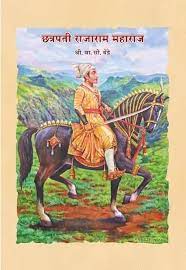
The moment he stepped into Maharashtra, the morale of the people surged. Farmers, soldiers, and commanders saw in him the continuation of Shivaji’s dream. Rajaram Maharaj was no longer just a king in exile—he was the living embodiment of Swarajya’s survival.
🛡️2: Forts as Flames – Sinhagad, Satara, and the Strategy of Resistance
Once in Maharashtra, Rajaram Maharaj didn’t waste a moment. He began reorganizing the resistance from key forts—Sinhagad, Satara, and Panhala. These forts were not just stone structures—they were emotional anchors, symbols of Maratha defiance.
Sinhagad Fort, perched atop the Sahyadris, became Rajaram’s command center. From here, he issued orders, coordinated guerrilla strikes, and met with regional sardars. The fort’s legacy—etched by Tanaji Malusare’s sacrifice—now pulsed with new energy under Rajaram’s leadership.
Satara Fort became the political heart of the empire. Rajaram used it to manage administration, hold court, and rebuild alliances. He understood that Swarajya needed both swords and scrolls—military strength and political unity.
Rajaram’s strategy was clear:
- Decentralize power to avoid Mughal traps.
- Empower local commanders to strike independently.
- Use terrain and timing to frustrate Aurangzeb’s forces.
He revived guerrilla warfare, encouraged surprise raids, and ensured that the Mughal army remained stretched and confused. Even with limited resources, Rajaram’s leadership turned forts into flames—each one burning with the spirit of resistance.
👸3: Tarabai’s Quiet Rise – Preparing for Power
While Rajaram Maharaj led the resistance from the forts, Tarabai was quietly preparing for something greater. She wasn’t just a queen—she was a strategist, a mother, and a visionary.
During these years, Tarabai managed internal affairs, oversaw fort defenses, and ensured that communication between commanders remained intact. She began grooming her son Shivaji II, studying Mughal tactics, and building alliances with regional leaders.
Her bond with Rajaram was more than marital—it was political and spiritual. She understood the weight of Swarajya and the legacy of Shivaji. She knew that if Rajaram fell, someone had to rise.
In private meetings, she discussed succession plans, military logistics, and diplomatic strategies. Her mind was sharp, her resolve unbreakable.
When Rajaram died in 1700, Tarabai didn’t hesitate. She declared her son Chhatrapati and assumed regency. Her leadership would go on to define the next phase of Maratha resistance.
🔥4: Legacy of the Return – Rajaram Maharaj’s Final Flame
The return of Rajaram Maharaj to Maharashtra in 1698 was more than a tactical move—it was a spiritual revival. It reminded the people that Swarajya was not just a dream—it was a duty.
His leadership from Sinhagad and Satara kept the empire alive. His trust in Tarabai ensured continuity. His empowerment of generals like Santaji and Dhanaji kept the Mughal forces on edge.

Rajaram’s final years were marked by quiet brilliance. He didn’t seek fame—he sought freedom. He didn’t build monuments—he built momentum.
When he died in 1700, the Maratha Empire didn’t collapse. It evolved. Tarabai took the throne. Shivaji II was crowned. The resistance continued.
Rajaram Maharaj’s legacy is one of resilience, humility, and courage. He was the king who ruled from exile, returned to fight, and passed the torch with dignity.
📣 Keep the Flame Alive
Rajaram Maharaj returned—but Swarajya never rested.
Discover how Tarabai rose to power and led an empire.
- 💬 Who ruled from Sinhagad and Satara with quiet brilliance?
- 💬 Which queen turned grief into governance?
👉 Read the next chapter of Swarajya’s survival.
👉 Share this legacy with #HistoryVerse7
👉 Tag someone who should know the name Rajaram Maharaj
⚔️ 1700 – The Flame Passes On: Rajaram Maharaj’s Death and Tarabai’s Rise to Power
🕯️1: The Final Days of Rajaram Maharaj
In early 1700, after years of guerrilla warfare, fort-based resistance, and strategic leadership, Rajaram Maharaj fell ill. He had returned to Maharashtra in 1698, reorganized the empire from Sinhagad and Satara, and kept Swarajya alive against Aurangzeb’s relentless invasion.
But the toll of war, exile, and constant pressure weighed heavily on him. At Sinhagad Fort, surrounded by loyal commanders and his wife Tarabai, Rajaram breathed his last.
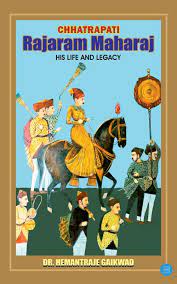
His death was not just the loss of a king—it was the passing of a torch. Rajaram had ruled from exile, fought without ego, and empowered others to carry the mission forward. His final act was one of trust: he left Swarajya in the hands of Tarabai.
👑2: Tarabai Declares Shivaji II as Chhatrapati
Within days of Rajaram’s death, Tarabai made a bold and historic decision. She declared her son, Shivaji II, as the next Chhatrapati of the Maratha Empire. He was just a child—but Tarabai was ready.
She assumed regency and took full control of the empire’s military and political affairs. Her leadership was swift, decisive, and fearless. She issued orders to generals, fortified key forts, and continued guerrilla strikes against Mughal forces.
Tarabai didn’t mourn in silence—she led in defiance. Her actions sent a clear message: Swarajya would not die with Rajaram. It would rise with her.
⚔️ 3: Tarabai vs Aurangzeb – The Queen Who Wouldn’t Bow
Between 1700 and 1707, Tarabai led the Maratha Empire against the most powerful emperor in Indian history—Aurangzeb. She coordinated attacks, empowered generals, and refused to negotiate surrender.
Her leadership was marked by:
- Strategic fort defense across Maharashtra
- Guerrilla raids led by commanders like Dhanaji Jadhav
- Political diplomacy with southern allies
Aurangzeb was aging, frustrated, and increasingly isolated. Tarabai’s resistance drained Mughal resources and morale. She became a symbol of Maratha resilience, a queen who ruled with intellect and intensity.
🔥4: Legacy of Rajaram Maharaj – The Quiet Flame That Lit a Dynasty
Though Rajaram Maharaj ruled for just over a decade, his impact was profound. He:
- Preserved the royal lineage after Sambhaji’s death
- Revived guerrilla warfare from Jinji
- Empowered Tarabai and future leaders
- Proved that Swarajya could survive without territory
His leadership was quiet, strategic, and deeply emotional. He didn’t seek monuments—he built momentum. He didn’t crave titles—he created legacy.
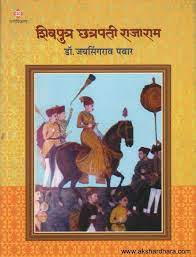
Tarabai’s rise was possible because Rajaram trusted her. Shivaji II’s coronation was possible because Rajaram protected the bloodline. The Maratha resurgence was possible because Rajaram never gave up.
📣 The Flame Lives On
Rajaram Maharaj passed—but Swarajya rose stronger.
Discover how Tarabai led the empire and shaped the future.
- 💬 Who crowned a child king and ruled an empire?
- 💬 Which queen defied Aurangzeb for seven years?
👉 Read the next chapter of Swarajya’s survival.
👉 Share this legacy with #HistoryVerse7
👉 Tag someone who should know the name Rajaram Maharaj
👑 1700–1707 – The Lioness of Swarajya: How Tarabai Defied Aurangzeb and Led an Empire
👸1: Tarabai Takes the Throne
When Rajaram Maharaj passed away in 1700, the Maratha Empire was vulnerable. Aurangzeb’s forces were still advancing. The capital was under threat. And the heir, Shivaji II, was just a child.
But Tarabai, Rajaram’s widow, didn’t hesitate. She declared her son as Chhatrapati Shivaji II and assumed full regency. In a time when queens were expected to mourn, Tarabai chose to lead.
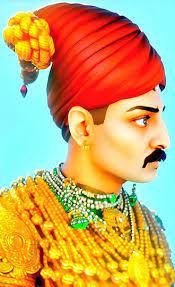
She moved swiftly:
- Fortified key strongholds like Satara, Panhala, and Sinhagad
- Reorganized the Maratha administration
- Appointed trusted generals to continue guerrilla warfare
Tarabai’s leadership was not symbolic—it was strategic. She issued orders, negotiated alliances, and kept the empire functioning under siege.
⚔️2: Tarabai vs Aurangzeb – The Queen Who Wouldn’t Bow
Between 1700 and 1707, Tarabai led the Maratha Empire against the most powerful emperor in Indian history—Aurangzeb. Her reign was marked by relentless resistance, tactical brilliance, and emotional resilience.
She empowered generals like Dhanaji Jadhav, who continued guerrilla strikes across Maharashtra. She maintained communication between forts, ensured supply chains, and refused to negotiate surrender.
Aurangzeb, now in his 80s, was frustrated. His armies were drained. His treasury was bleeding. Tarabai’s resistance turned the tide of the war.
Her leadership proved that Swarajya was not just a masculine mission—it was a shared legacy. She ruled with intellect, intensity, and unwavering pride.
🧠3: Preparing for Succession – The Rise of Shahu Maharaj
As Tarabai fought Aurangzeb, another chapter was unfolding. Shahu, the son of Sambhaji Maharaj, had been held captive by the Mughals since 1689. In 1707, after Aurangzeb’s death, Shahu was released.
This created a succession crisis. Tarabai ruled in the name of Shivaji II. Shahu, as the elder heir, had a legitimate claim. The empire was divided.
But Tarabai didn’t panic. She continued ruling from Kolhapur, while Shahu established his base in Satara. The Maratha Empire split—but it didn’t collapse.
This division eventually led to the rise of the Peshwa era, with Shahu appointing Balaji Vishwanath as his chief minister. Tarabai’s legacy lived on through her defiance, her governance, and her refusal to surrender.
🔥4: Legacy of Tarabai – The Queen Who Carried the Flame
Tarabai’s reign from 1700 to 1707 was one of the most remarkable chapters in Indian history. She:
- Preserved the Maratha Empire after Rajaram’s death
- Defied Aurangzeb for seven years
- Crowned her son and ruled with dignity
- Inspired future generations of women leaders
Her leadership was not just political—it was emotional. She ruled with the memory of Shivaji, the sacrifice of Sambhaji, and the trust of Rajaram.
Tarabai proved that Swarajya was not tied to gender, geography, or circumstance. It was tied to conviction.
Her legacy lives on in every fort, every battlefield, and every story of resistance. She was the lioness of Swarajya—and her roar still echoes.
📣 The Lioness of Swarajya
Tarabai ruled with fire and foresight.
- 💬 Who defied Aurangzeb for seven years?
- 💬 Which queen crowned a child and ruled an empire?
- 🏁 1707 – Aurangzeb Dies
• The Mughal emperor dies after years of futile campaigns against the Marathas.
• Tarabai’s leadership is credited with surviving the darkest phase of Maratha history.
👉 Read the next chapter of Swarajya’s evolution.
👉 Share this legacy with #HistoryVerse7
👉 Tag someone who should know the name Tarabai
🏁 1707 – Aurangzeb Dies: The End of an Empire, The Rise of Swarajya
⚰️1: Aurangzeb’s Final Years – A War Without Victory
For nearly two decades, Aurangzeb, the aging Mughal emperor, had poured his empire’s resources into crushing the Marathas. He personally led campaigns across Maharashtra, besieged forts, and tried to erase the legacy of Shivaji Maharaj.
But the Marathas refused to break. Under Rajaram Maharaj, they fought from exile. Under Tarabai, they resisted from within. Generals like Santaji Ghorpade and Dhanaji Jadhav turned guerrilla warfare into a nightmare for the Mughals.
By 1707, Aurangzeb was nearly 90. His treasury was drained. His armies were exhausted. His empire was stretched thin. And he had failed.
On March 3, 1707, Aurangzeb died in Ahmednagar. His death marked the end of the longest and most futile campaign in Mughal history.
👸2: Tarabai’s Triumph – Surviving the Darkest Phase
When Aurangzeb died, the Maratha Empire was still standing. That survival was not an accident—it was the result of Tarabai’s leadership.
From 1700 to 1707, Tarabai ruled with fire and foresight. She:
- Crowned her son Shivaji II and assumed regency
- Fortified key forts like Satara, Panhala, and Sinhagad
- Empowered generals to continue guerrilla warfare
- Refused to negotiate surrender
Her decisions kept the empire functioning under siege. Her courage inspired commanders. Her strategy confused Mughal forces.
Tarabai didn’t just survive Aurangzeb—she outlasted him.
Her reign proved that Swarajya was not tied to gender or geography. It was tied to conviction.
🔥3: Legacy of 1707 – The Turning Point in Maratha History
The year 1707 was a turning point. With Aurangzeb’s death, the Mughal Empire began to fracture. Succession wars broke out. Regional powers rose. And the Marathas seized the moment.
Tarabai’s survival strategy had worked. She preserved the royal lineage, protected the forts, and kept the spirit of Swarajya alive.
Soon, Shahu Maharaj, son of Sambhaji, would be released from Mughal captivity. His return would spark a new chapter—one of consolidation, diplomacy, and expansion.
The Peshwa era would rise. Balaji Vishwanath, Baji Rao I, and others would carry the flame forward.
But none of it would have been possible without the resilience of Rajaram Maharaj and the brilliance of Tarabai.
🔥 Conclusion: The Flame That Refused to Die
In the grand saga of Hindavi Swarajya, the years between 1689 and 1707 were not just chapters—they were crucibles. When Sambhaji Maharaj was executed, the empire bled. When Raigad fell, hope flickered. But in the shadows of exile, one name kept the flame alive: Rajaram Maharaj.
He was not crowned in glory, but in urgency. Not in Maharashtra, but in distant Jinji. Yet from that southern fortress, Rajaram Maharaj led a resistance that defied the world’s most powerful emperor. He didn’t command from palaces—he strategized from siege. He didn’t seek applause—he sought survival.
Through guerrilla warfare, decentralization, and emotional unity, Rajaram Maharaj turned defeat into defiance. He empowered warriors like Santaji Ghorpade and Dhanaji Jadhav, who turned the Sahyadris into a battlefield of vengeance. He returned to Maharashtra not to reclaim a throne, but to reignite a movement.
And beside him stood Tarabai—not behind, but beside. When Rajaram Maharaj passed in 1700, she didn’t mourn—she mobilized. She crowned her son, fortified forts, and led the empire against Aurangzeb himself. Her leadership was fierce, intelligent, and rooted in the trust Rajaram Maharaj had placed in her.
Then came 1707. Aurangzeb, the emperor who had spent decades trying to crush the Marathas, died in frustration. His campaigns had drained the Mughal treasury, shattered morale, and failed to break the will of a people led by a queen—and inspired by a king who had once ruled from exile.
This was not just a military victory—it was a moral triumph. It proved that Swarajya was not tied to geography, gender, or grandeur. It was tied to conviction. And that conviction had a name: Rajaram Maharaj.
He didn’t build monuments—he built momentum. He didn’t crave titles—he created legacy. His leadership was quiet, strategic, and deeply emotional. He was the king who ruled without a throne, fought without fear, and passed the torch with dignity.
So when we speak of Maratha pride, let us not only remember coronations and conquests. Let us remember Jinji, Sinhagad, and Satara. Let us remember the escape, the exile, the endurance. Let us remember the king who carried Shivaji’s flame through the storm.
Because Swarajya was never just a kingdom—it was a promise. And in the hands of Rajaram Maharaj, that promise was kept.
📣 1707 – The Turning Point
Aurangzeb died—but Swarajya survived.
Tarabai’s leadership carried the empire through its darkest hour.
- 💬 Who ruled while the emperor waged war?
- 💬 Which queen outlasted Aurangzeb’s fury?
- 🏁 1707 – Aurangzeb Dies
• The Mughal emperor dies after years of futile campaigns against the Marathas.
• Tarabai’s leadership is credited with surviving the darkest phase of Maratha history.
👉 Next week: The succession war between Shahu Maharaj and Tararani—two heirs, one legacy, and a battle for Swarajya’s soul.
👉 Stay tuned on HistoryVerse7.com as we unveil the next chapter in this epic tribute series.
👉 Share this legacy with #HistoryVerse7
👉 Tag someone who should know the name Tarabai and Shahu Maharaj
📘 FAQ: Understanding Rajaram Maharaj
1. Why did Rajaram Maharaj choose Jinji Fort as his capital instead of returning to Maharashtra immediately?
Ans: Rajaram Maharaj chose Jinji not out of fear, but out of foresight. Maharashtra was under siege, and Raigad had fallen. Jinji offered strategic distance, southern alliances, and a fortress that could withstand Mughal aggression. From exile, he built a decentralized command that kept Swarajya alive—proving that leadership isn’t about location, it’s about conviction.
2. What was Rajaram Maharaj’s greatest contribution to Swarajya that isn’t often acknowledged?
Ans: His greatest contribution was empowering others. He gave autonomy to generals like Santaji Ghorpade and Dhanaji Jadhav, trusted Tarabai with governance, and inspired resistance from afar. Rajaram Maharaj didn’t centralize power—he distributed it. That trust created a network of warriors who fought even when he couldn’t.
Share this content:

Very nice🚩🚩
Very good 👍🏻🚩✨