
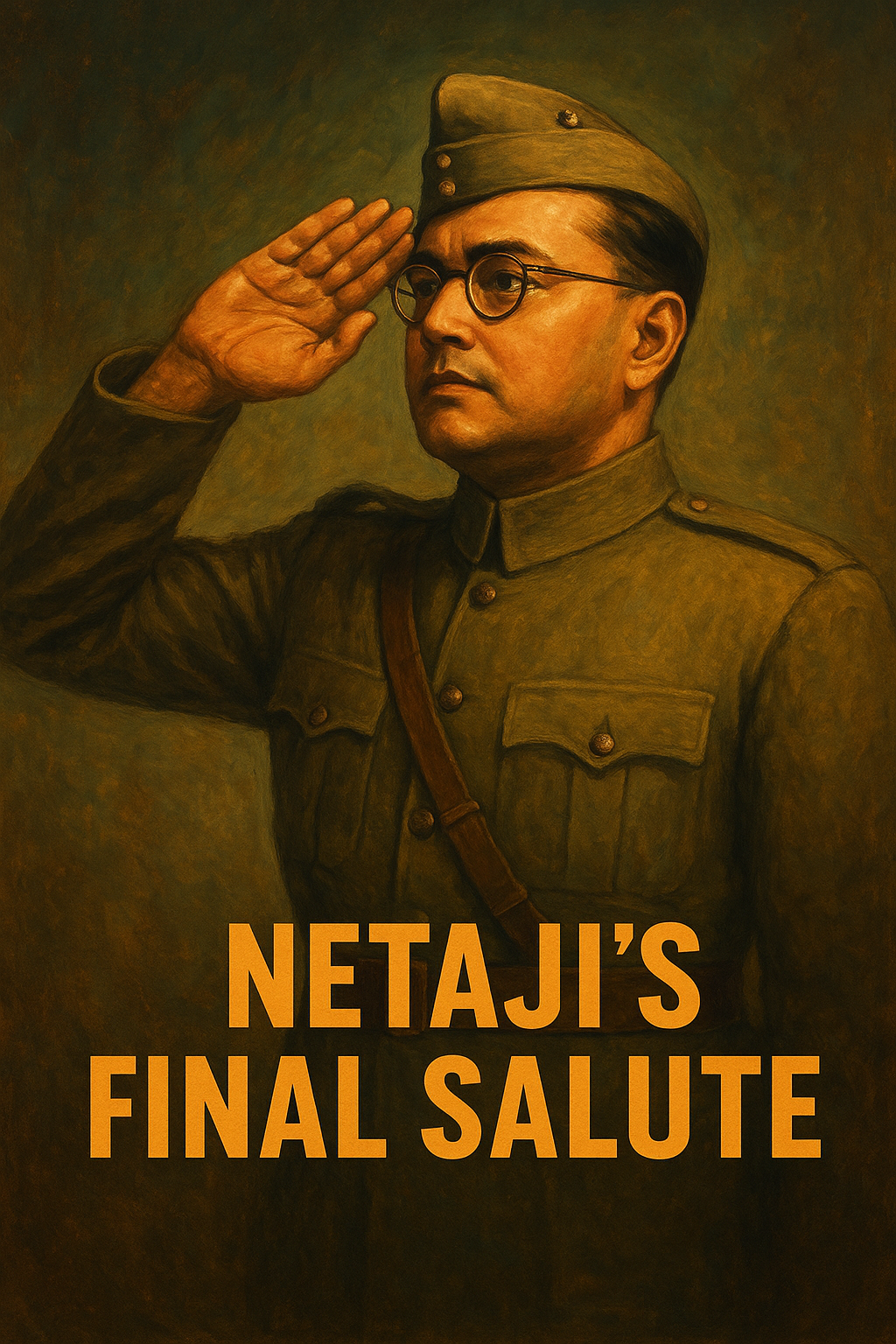
🔥 Ready to Walk Through Fire for Freedom?
Discover the untold journey of a man who defied empires, crossed continents, and rewrote the meaning of patriotism. Subhas Chandra Bose wasn’t just a revolutionary—he was a storm.
👇 Scroll down to witness the 11 Glorious Steps of Unyielding Valor and Immortal Legacy.
🧭 Introduction: Subhas Chandra Bose
Subhas Chandra Bose. A name that echoes through the corridors of Indian history like a war cry. A name that refuses to fade, refuses to be forgotten, refuses to bow. Born in the crucible of colonial oppression, Bose emerged not as a passive protester, but as a blazing force of resistance—unyielding, uncompromising, and unapologetically fierce.
From the quiet lanes of Cuttack to the battlefields of Southeast Asia, Subhas Chandra Bose carved a path that defied convention and shattered expectations. He was not content with petitions or negotiations. He believed in action. In sacrifice. In blood. His famous call—“Give me blood, and I will give you freedom”—was not rhetoric. It was a promise. A pact with the people of India.
Educated in philosophy, trained for the Indian Civil Services, and destined for a comfortable life under British rule, Bose chose rebellion over privilege. He resigned from the ICS in 1921, declaring that he could not serve a foreign government while his motherland remained shackled. That decision marked the first of many steps toward immortality.
Subhas Chandra Bose was a paradox wrapped in fire. He admired the discipline of Europe but despised its imperial arrogance. He respected Gandhi’s moral compass but rejected passive resistance. He believed in Swarajya—not as a distant dream, but as an urgent mission. His vision of freedom was not limited to political independence; it was rooted in dignity, strength, and self-reliance.
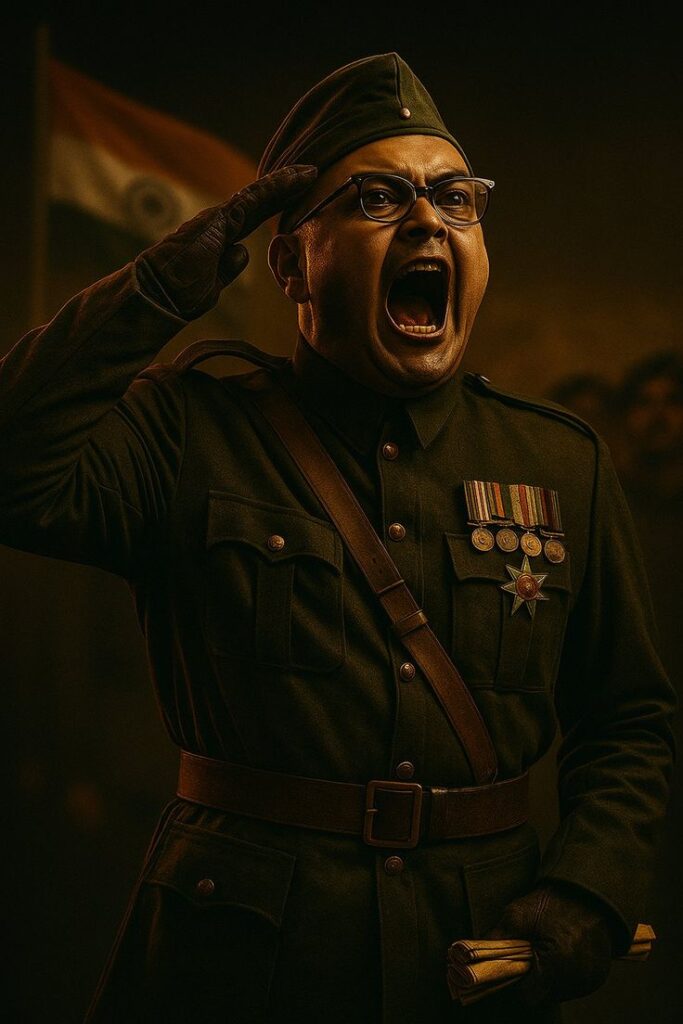
As President of the Indian National Congress in 1938, Bose challenged the status quo. His clashes with Gandhi were not born of disrespect, but of differing philosophies. Where Gandhi saw the soul of India in nonviolence, Bose saw its heartbeat in armed struggle. When the Congress hesitated, Bose acted. He formed the Forward Bloc, rallied youth, and built a movement that refused to wait.
But his most daring chapter began in 1941. Under house arrest, Bose escaped in disguise, traversed Afghanistan and the Soviet Union, and reached Nazi Germany. There, he sought international support for India’s liberation. When Europe failed him, he turned east—to Japan, to Singapore, to the heart of Asia. And there, he found his army.
The Indian National Army (INA) was not just a military force—it was a symbol of defiance. Composed of Indian prisoners of war and expatriates, the INA marched under Bose’s command with one goal: to liberate India from British rule. In 1943, he declared the Provisional Government of Free India. In 1944, he led the INA into battle on Indian soil. Though the campaign faltered, the spirit soared.
Subhas Chandra Bose’s final flight in August 1945 remains shrouded in mystery. Official reports claim he died in a plane crash in Taiwan. But for millions, Bose never died. He became legend. A flame that refuses to extinguish. A question that history still cannot answer.
His legacy is not confined to statues or slogans. It lives in the courage of every Indian who dares to dream. It lives in the fire of every voice that refuses to be silenced. It lives in the idea that freedom is not given—it is earned.
Subhas Chandra Bose was not just a man. He was a movement. A thunderclap in the storm of colonialism. A beacon for those who believe that justice must be fought for, not begged for. His life was a testament to the power of conviction, the strength of sacrifice, and the immortality of purpose.

This biography—Subhas Chandra Bose: 11 Glorious Steps of Unyielding Valor and Immortal Legacy—is not just a timeline. It is a tribute. A resurrection. A reminder that one voice, one vision, one relentless soul can change the fate of a nation.
Table of Contents
🎙️ “Dilli Chalo”
- 📍 Location: Padang Grounds, Singapore
- 📅 Date: July 6, 1943
- 🎯 Motive: To formally assume leadership of the Indian National Army (INA) and launch a call for armed liberation of India from British rule
- 👥 Crowd: Thousands of INA soldiers, Indian expatriates, and Japanese officials
🔥 Context and Impact
Subhas Chandra Bose had just arrived in Singapore via submarine from Germany. On this day, he took command of the INA and declared the formation of the Provisional Government of Free India (Azad Hind Sarkar). Standing before a sea of soldiers and supporters, he electrified the crowd with his call:
“Tum mujhe khoon do, main tumhe azadi doonga.”
(Give me blood, and I will give you freedom.)
He followed it with the rallying cry:
“Dilli Chalo!” (March to Delhi!)
This speech marked a turning point in India’s freedom struggle. It was not just a declaration—it was a mobilization. Bose’s words transformed the INA from a symbolic force into a committed army ready to fight on Indian soil.
📚 Source
- Testbook – Dilli Chalo Speech Location
- INC – “Give Me Blood” Speech Summary
- DNA India – Full Text of the Speech
🔥Subhas Chandra Bose: The Spark Before the Storm (1897–1911)
📍 1897: A Birth That Echoed Destiny
On January 23, 1897, in the culturally vibrant town of Cuttack, Odisha, a child was born who would one day shake the foundations of the British Empire. His name—Subhas Chandra Bose—would become synonymous with courage, conviction, and uncompromising patriotism.
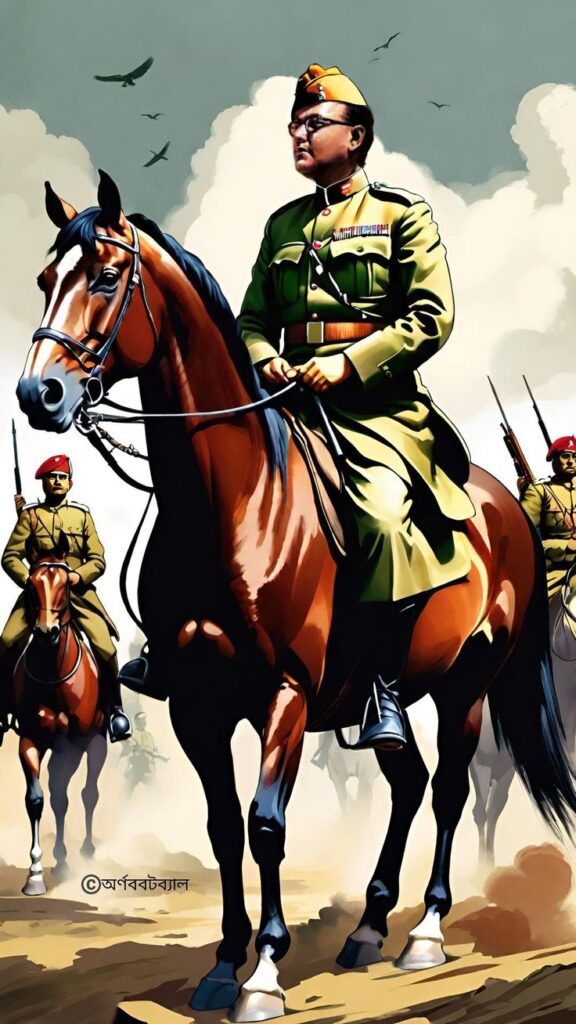
Born into an elite Bengali family, Subhas was the ninth child of Janakinath Bose, a prominent lawyer and government servant, and Prabhavati Devi, a deeply spiritual and principled woman. The Bose household was a crucible of intellect and discipline, where tradition met modernity, and service to the nation was not just a value—it was a way of life.
From the very beginning, Subhas was surrounded by the ideals of dharma, self-respect, and national pride. His father’s legal brilliance and his mother’s moral compass shaped his early worldview. Even as a toddler, he was known for his intense gaze, quiet strength, and precocious curiosity.
📍 1902–1909: Early Education and Awakening
Subhas began his formal education at the Protestant European School in Cuttack, run by Christian missionaries. Though the school followed British norms, Subhas stood out—not just for his academic excellence but for his quiet resistance to colonial superiority. He was deeply sensitive to injustice and often questioned the racial bias embedded in the system.
In 1909, he transferred to the prestigious Ravenshaw Collegiate School, where his intellectual brilliance began to shine. Teachers described him as “intensely focused,” “morally upright,” and “unusually mature for his age.” He excelled in subjects like philosophy, history, and literature, and was particularly drawn to stories of Indian valor and sacrifice.
During these formative years, Subhas developed a deep admiration for Swami Vivekananda and Sri Ramakrishna Paramhansa. Their teachings on spiritual strength, fearlessness, and service to the motherland resonated deeply with him. He began to see India not just as a land of ancient wisdom, but as a nation waiting to rise again.
📍 1910–1911: The First Signs of Defiance
By the age of 13, Subhas Chandra Bose was no longer just a brilliant student—he was a thinker, a seeker, and a quiet rebel. He began reading extensively beyond his curriculum, diving into texts on Indian philosophy, Western political thought, and biographies of revolutionaries.
In 1911, as the British shifted India’s capital from Calcutta to Delhi, Bose sensed the symbolic attempt to erase Bengal’s revolutionary spirit. He wrote essays criticizing colonial arrogance and began engaging in debates about India’s future. Though still a schoolboy, his words carried the weight of a leader in the making.
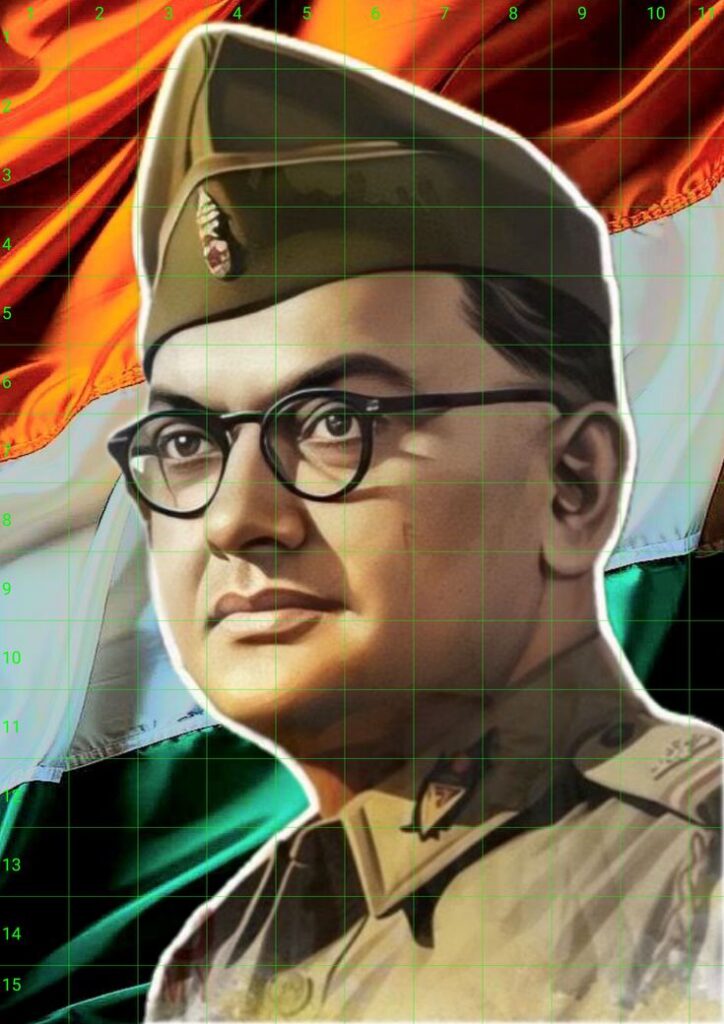
His moral compass was unshakable. He once refused to participate in a school event that glorified British rule, stating that “true honor lies in serving one’s own nation, not in celebrating its oppressors.” This was not just youthful idealism—it was the birth of a revolutionary mindset.
🧭 Legacy of the Early Years
The period from 1897 to 1911 was not merely a childhood—it was a crucible. These years shaped Subhas Chandra Bose into a man of unbreakable valor, intellectual depth, and spiritual clarity. His early life was marked by:
- Cultural pride rooted in Bengal’s renaissance spirit.
- Academic brilliance that earned him respect across institutions.
- Spiritual grounding inspired by Vivekananda’s call to awaken the soul of India.
- Moral defiance that rejected colonial superiority even as a teenager.
Subhas Chandra Bose didn’t wait for adulthood to challenge injustice. He began as a boy with a burning heart and a questioning mind. These early years laid the foundation for the storm he would later unleash—a storm that would roar across continents and shake empires.
🌟 From Spark to Flame
You’ve seen the spark that lit the fire. In the next section, we explore Subhas Chandra Bose’s journey through Presidency College, his first act of rebellion, and the decision that changed his destiny forever.
Subhas Chandra Bose was not born a revolutionary—he chose to become one. 👉 Continue reading to witness his transformation from student to soldier of freedom (1912–1921).
🔥 Bold Step into Rebellion: Subhas Chandra Bose’s Entry into Presidency College, 1911
In 1911, Subhas Chandra Bose entered Presidency College, Kolkata—a moment that marked the beginning of his transformation from a brilliant student into a fearless revolutionary. This chapter in his life was not just about academic pursuit; it was the crucible where his ideals were tested, his courage was forged, and his lifelong resistance to British imperialism took root.
🎓 1911: The Turning Point Begins
📍 A City of Ideas and Injustice
Kolkata (then Calcutta) in 1911 was not just the cultural capital of British India—it was a city simmering with revolutionary thought. The echoes of the Swadeshi Movement, the writings of Bankim Chandra Chattopadhyay, and the spiritual fire of Swami Vivekananda filled the air. Into this charged atmosphere walked a 14-year-old Subhas Chandra Bose, freshly admitted to Presidency College, one of the most prestigious institutions in the country.
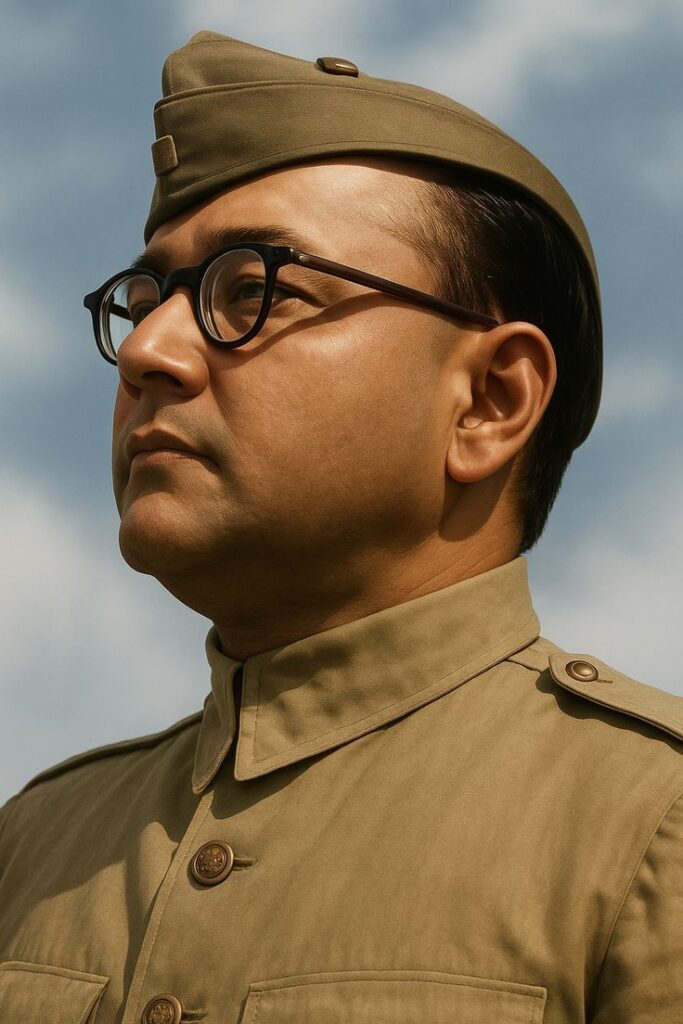
For Bose, this was more than a college admission. It was a gateway to the intellectual battlefield of colonial India. The college, while a center of academic excellence, was also a microcosm of the British Raj’s racial arrogance. Indian students were often treated as second-class citizens, and the curriculum subtly glorified imperialism.
But Bose was not one to be subdued.
📍 The Inner Fire: Philosophy, Patriotism, and Purpose
At Presidency College, Bose chose to study Philosophy—a subject that would sharpen his analytical mind and deepen his understanding of ethics, identity, and justice. He immersed himself in the works of Vivekananda, Aurobindo Ghosh, and Western philosophers like Kant and Hegel. But unlike many of his peers, Bose didn’t just study ideas—he lived them.
He began questioning the moral legitimacy of British rule, the hypocrisy of colonial education, and the silence of the elite. He saw how the British system was designed to produce obedient clerks, not courageous leaders. And he refused to be one of them.
This was the year the British shifted India’s capital from Calcutta to Delhi—a symbolic move to suppress Bengal’s revolutionary spirit. For Bose, it was a wake-up call. The empire was not just ruling India—it was trying to erase its soul.
⚡ The Spark of Defiance: The E.F. Oaten Incident
Though Bose officially entered Presidency College in 1911, the defining moment came a few years later, in 1916, when he confronted Professor E.F. Oaten, a British faculty member known for his racist and demeaning behavior toward Indian students.
When Oaten physically assaulted an Indian student, Bose and his peers organized a protest. The confrontation escalated, and Oaten was reportedly manhandled by a group of students. Though Bose’s direct involvement was never conclusively proven, he was held responsible and expelled from the college.
This expulsion was not a setback—it was a badge of honor. It revealed Bose’s uncompromising moral compass, his willingness to sacrifice personal gain for collective dignity, and his emerging identity as a nationalist leader.
As the official record from the Indian Culture archives notes, this incident became the harbinger of his future.
📍 The Aftermath: A Rebel Reborn
After his expulsion, Bose didn’t retreat. He enrolled at Scottish Church College, where he completed his degree with distinction. But the fire had been lit. He was no longer just a student—he was a seeker of justice, a critic of colonialism, and a voice for India’s awakening.
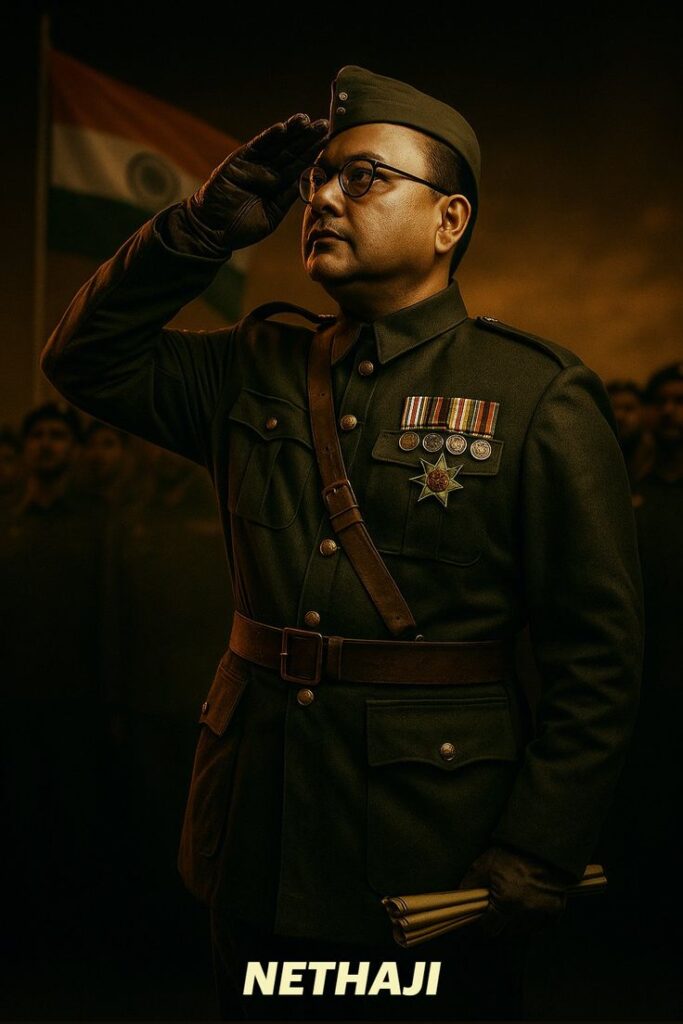
The Presidency College episode taught him that freedom was not given—it had to be claimed. It also taught him that resistance begins with self-respect, and that education without dignity is slavery in disguise.
🧭 Legacy of 1911: The First Step Toward Netaji
The year 1911 may seem like a simple academic milestone, but in the life of Subhas Chandra Bose, it was the first step toward becoming Netaji. It was here that he:
- Confronted racial injustice head-on.
- Discovered the power of organized resistance.
- Embraced philosophy as a weapon of liberation.
- Chose courage over compliance, even at personal cost.
This chapter is a reminder that revolutions don’t begin on battlefields—they begin in classrooms, in quiet acts of defiance, in the refusal to bow.
📘 From Expulsion to Evolution
You’ve seen the spark of rebellion. Now witness how Subhas Chandra Bose transformed that fire into purpose. In the next section, we explore his years at Scottish Church College, his journey to England, and the bold decision to reject the Indian Civil Services.
Subhas Chandra Bose didn’t just challenge a professor—he challenged an empire. 👉 Continue reading to follow his rise from student to revolutionary (1918).
🎓 Subhas Chandra Bose’s 1918 Graduation from Scottish Church College: A Philosophical Milestone in the Making of Netaji
Subhas Chandra Bose graduated with a First Class B.A. in Philosophy from Scottish Church College in 1918, standing second in the University of Calcutta—a pivotal moment that shaped his intellectual foundation and moral compass as a future revolutionary. This milestone is documented in official college records and referenced in scholarly biographies, affirming its significance in Bose’s transformation from scholar to patriot.
📘 The Institution: Scottish Church College and Its Role in Bose’s Formation
Founded in 1830, Scottish Church College was a beacon of liberal education in colonial Bengal. After his expulsion from Presidency College in 1916 for protesting racial injustice, Bose found refuge here. According to the college’s official tribute document, Bose “received a new lease of life” under the mentorship of Principal Dr. W.S. Urquhart, whose fairness and encouragement helped restore Bose’s confidence.
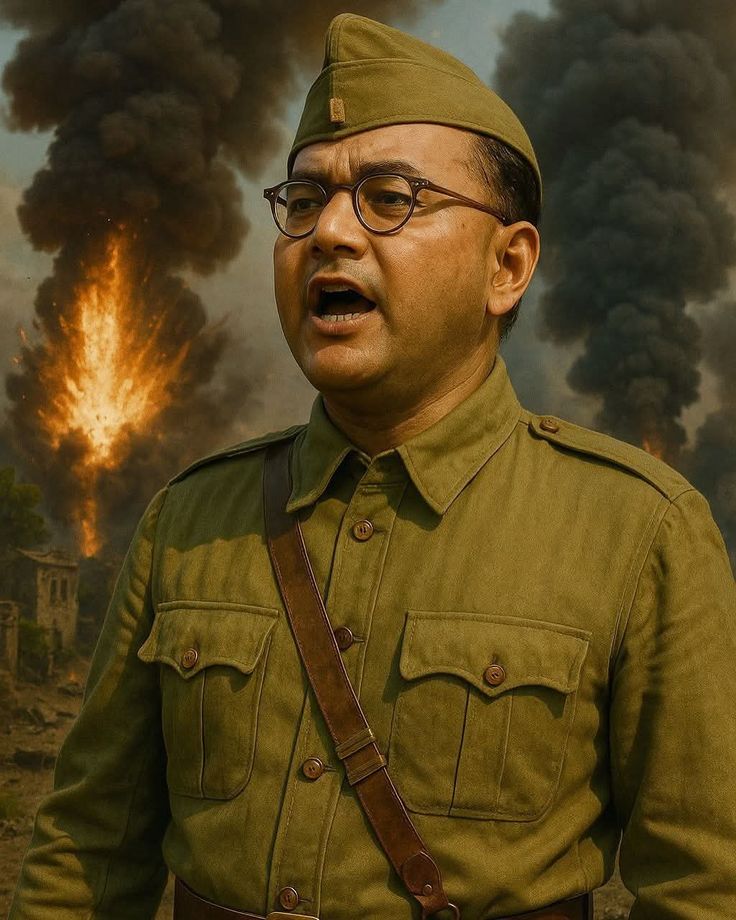
In the book Legend and Legacy: Subhas Chandra Bose by Leonard A. Gordon, Bose’s time at Scottish Church is described as a period of intense intellectual and emotional growth. Gordon notes that Bose’s philosophical studies were not merely academic—they were deeply tied to his evolving political consciousness.
📚 The Discipline: Philosophy as a Revolutionary Lens
Bose’s choice of Philosophy was deliberate. He immersed himself in Western thinkers like Kant, Hegel, and Plato, while also drawing strength from Vedanta and Swami Vivekananda’s teachings. This dual framework—rational ethics and spiritual nationalism—became the bedrock of his worldview.
His role as Secretary of the Students’ Philosophical Society at the college allowed him to lead discussions on ethics, nationalism, and India’s destiny. The college’s centenary document highlights this leadership role as a key indicator of his emerging stature.
🧠 Academic Excellence and Moral Clarity
In 1918, Bose graduated with First Class honors, securing the second rank in the University of Calcutta. This achievement was not just academic—it was symbolic. It marked his intellectual triumph over adversity and his readiness to confront the empire with both reason and resolve.
As noted in Subhas Chandra Bose: A Biography by Marshall J. Getz, Bose’s philosophical grounding gave him the tools to articulate resistance with clarity and conviction. Getz writes, “Philosophy gave Bose the language of justice and the logic of rebellion”.
🔥 Preparing for the ICS and the Moral Dilemma
Armed with academic credentials, Bose prepared to appear for the Indian Civil Services (ICS) examination in England. But even as he studied, he wrestled with the ethical implications of serving the British Empire. His philosophical training made him acutely aware of the contradictions between colonial service and national duty.
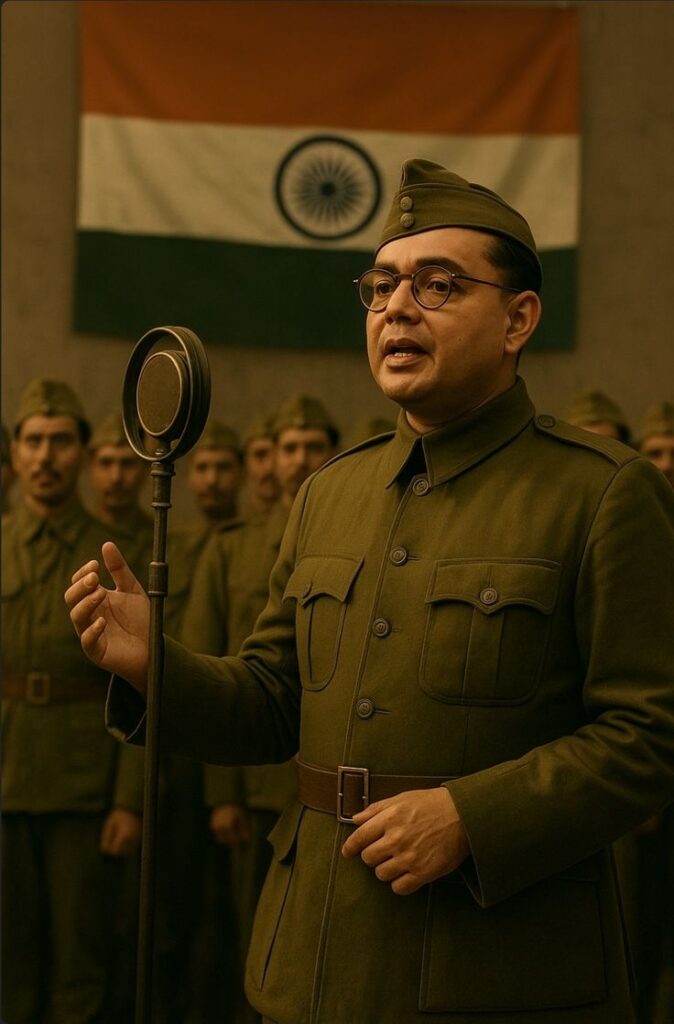
This internal conflict would culminate in his 1921 resignation from the ICS, a decision rooted in the moral clarity he developed during his college years.
🧭 Legacy of 1918: The Philosopher-Patriot Emerges
The year 1918 was a crucible of transformation. Bose emerged from Scottish Church College as:
- A scholar with a mission, blending intellect with activism.
- A moral force, unwilling to compromise with injustice.
- A future leader, whose ideas would later shape the Indian National Army and global diplomacy.
His graduation was not the end—it was the beginning of a life dedicated to freedom, sacrifice, and fearless leadership.
Sources:
Scottish Church College Tribute PDF
Gordon, Leonard A. Legend and Legacy: Subhas Chandra Bose. JSTOR.
Getz, Marshall J. Subhas Chandra Bose: A Biography.
🚀 From Philosophy to Fire
You’ve seen Subhas Chandra Bose rise from rejection to academic glory. In the next chapter, we follow his journey to England, his confrontation with colonial power, and the historic resignation that shook the empire.
Subhas Chandra Bose didn’t just graduate—he graduated with a mission. 👉 Continue reading to explore Traveled to England to prepare for the Indian Civil Services (ICS 1918).
✈️ 1919: Subhas Chandra Bose’s Voyage to England — A Journey of Purpose, Not Privilege
In 1919, Subhas Chandra Bose embarked on a life-altering journey to England to prepare for the Indian Civil Services (ICS) examination. But unlike many of his contemporaries who saw the ICS as a gateway to prestige and power, Bose saw it as a battlefield—one where he would confront the empire from within, only to later reject it with thunderous defiance.
🌊 The Departure: Leaving Calcutta with a Mission
On September 15, 1919, Subhas Chandra Bose boarded the City of Calcutta, a British India Steam Navigation Company vessel, from the port of Calcutta. His destination: Tilbury Docks, London. The voyage, which typically took three weeks, was delayed due to a coal strike and lasted nearly five weeks, finally docking on October 25, 1919.
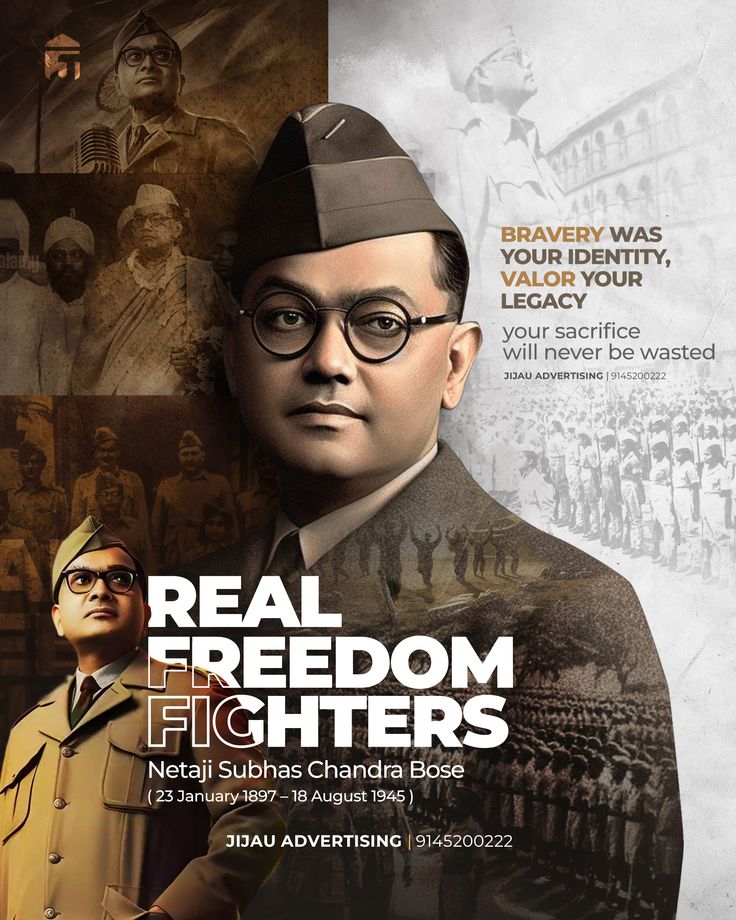
This was not a leisurely trip. It was a journey of introspection, a crossing from the colonial periphery to the imperial core. Bose carried with him not just books and clothes, but a burning question: Can one serve the British Empire and still serve India?
🎓 The Academic Pursuit: Fitzwilliam College, Cambridge
Upon arrival, Bose enrolled at Fitzwilliam Hall (now Fitzwilliam College), University of Cambridge. He began his formal preparation for the ICS exam while simultaneously pursuing a course in Moral Sciences (Philosophy). His academic discipline, honed at Scottish Church College, served him well. He immersed himself in studies, often spending long hours in the library, dissecting political theory, ethics, and governance.
In Subhas Chandra Bose: A Biography by Marshall J. Getz, the author notes that Bose was “intellectually restless, morally uncompromising, and deeply disturbed by the contradictions of British liberalism.” He admired the British educational system’s rigor but was repelled by its imperial arrogance.
🧠 The ICS Examination: Success with a Heavy Heart
In 1920, Bose sat for the ICS examination and passed with flying colors, securing the fourth rank among all candidates. It was a moment of pride for his family and a testament to his brilliance. But for Bose, it was a moment of reckoning.
He had proven that he could beat the British at their own game. But the question remained: Would he now serve the very empire that had enslaved his nation?
⚡ The Moral Conflict: Between Career and Conscience
Bose’s letters from this period reveal a man torn between duty and destiny. In a letter to his brother Sarat Chandra Bose, he wrote:
“I do not think that one can be loyal to the British Government and at the same time be loyal to one’s country.”
— Subhas Chandra Bose, 1921
This was not a rhetorical flourish. It was a moral declaration, a line in the sand. Bose had come to England not to serve the empire, but to understand it—so he could one day dismantle it.
🧭 The Political Awakening: Seeds of Revolution
While in England, Bose also engaged with Indian student groups, attended political lectures, and followed the growing unrest in India. The Jallianwala Bagh massacre of April 1919 had shaken the conscience of the nation. Bose, thousands of miles away, felt the tremors in his soul.
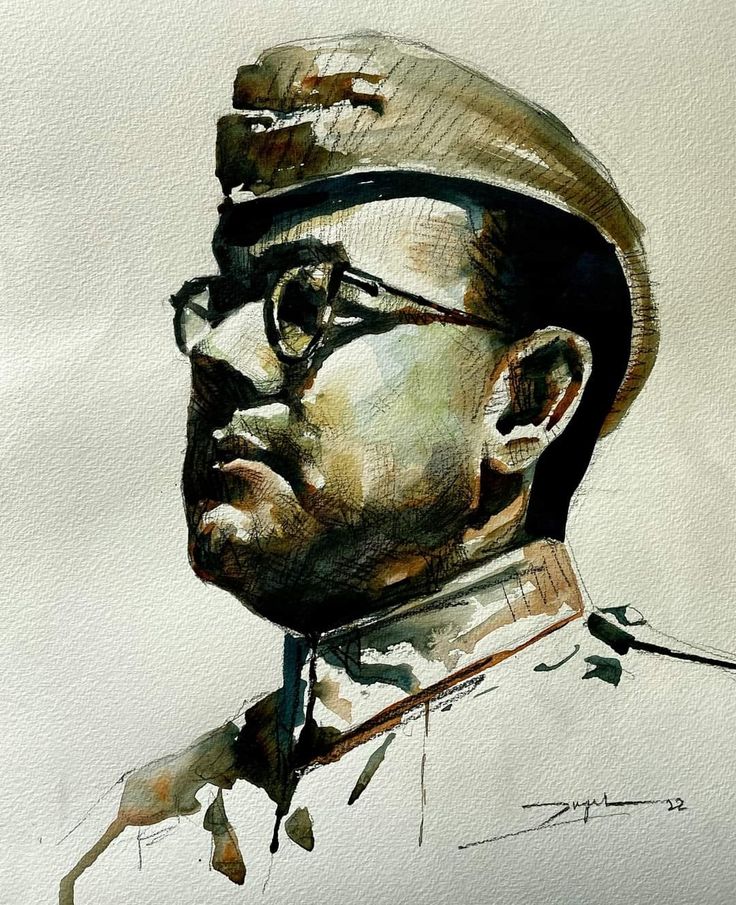
He began to see the ICS not as a career, but as a cage. A golden one, perhaps—but a cage nonetheless. His philosophical training, especially his study of Kant’s moral imperative and Vivekananda’s call to action, made the choice clear.
🏛️ Legacy of 1919: The Road to Renunciation
The year 1919 was not just about a journey across oceans—it was about a journey inward. Subhas Chandra Bose emerged from this period as:
- A top-ranking scholar who proved Indian excellence on British terms.
- A moral visionary who chose principle over privilege.
- A future revolutionary, preparing to renounce the empire’s highest offer.
His voyage to England was not a detour—it was a strategic step in his transformation from student to soldier of freedom.
Sources:
Subhas Chandra Bose and His Contribution in Indian Freedom Struggle – Dr. Deepti Tiwari, Magadh Mahila College
Ship That Took Subhas to England in 1919 – NetajiSubhasBose.org
📝 From Scholar to Rebel
You’ve seen Subhas Chandra Bose rise through the ranks of British academia. In the next chapter, witness the moment he stunned the empire by resigning from the Indian Civil Services—choosing revolution over recognition.
Subhas Chandra Bose didn’t just pass the ICS—he walked away from it. 👉 Continue reading to explore his 1921 resignation and return to India.
📝 1920–1921: Subhas Chandra Bose’s ICS Triumph and Historic Resignation — A Defiant Stand for Freedom
Subhas Chandra Bose passed the Indian Civil Services (ICS) exam in 1920 with distinction, but in 1921, he made history by resigning from the service—refusing to serve under British rule. This act of moral courage marked a turning point in India’s freedom struggle and revealed Bose’s unshakable commitment to national dignity.
🎓 1920: Academic Victory in the Heart of the Empire
After arriving in England in late 1919, Bose enrolled at Fitzwilliam Hall, University of Cambridge, to prepare for the ICS exam. Despite the emotional weight of serving a colonial government, he pursued the challenge with discipline and brilliance. In 1920, Bose passed the ICS exam, securing the fourth rank among all candidates—a remarkable achievement for an Indian under British rule.
This success was not just academic—it was symbolic. Bose had proven that Indians could match and surpass British standards. But for him, the question was not whether he could serve—it was whether he should.
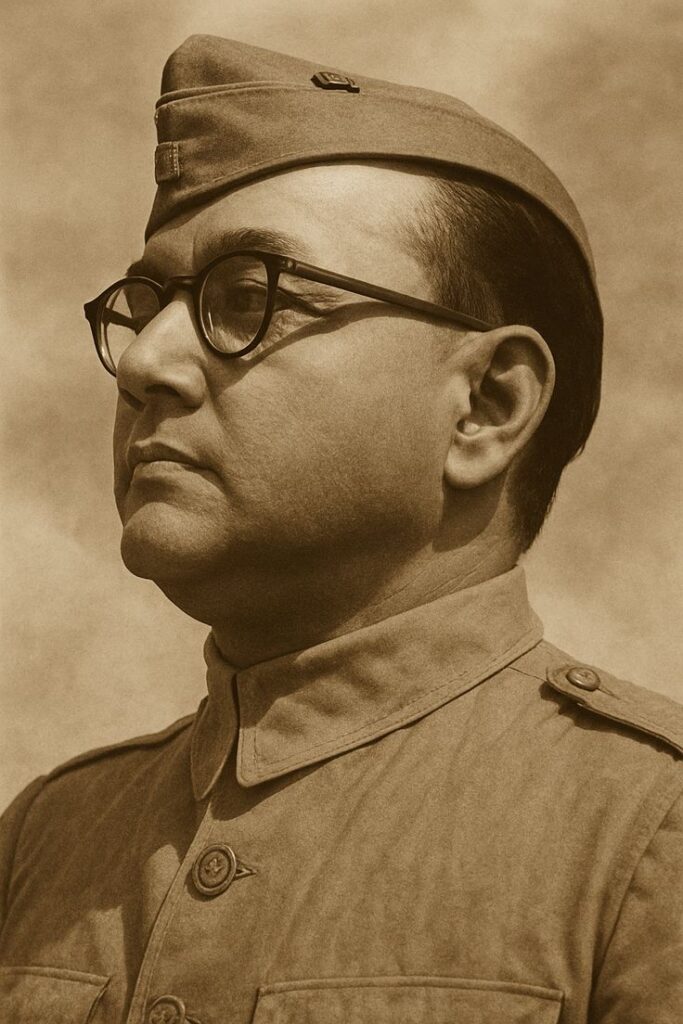
As historian Leonard A. Gordon writes in Brothers Against the Raj, Bose’s time in England was marked by “intellectual brilliance and moral discomfort.” He admired British efficiency but was repelled by its imperial arrogance.
⚡ 1921: The Moral Crossroads
Despite passing the exam, Bose was deeply conflicted. The Jallianwala Bagh massacre of 1919, the racial discrimination he had witnessed, and the philosophical teachings of Swami Vivekananda and Kant had shaped his conscience. He believed that serving the British Empire while India remained enslaved was a betrayal of his soul.
In a letter to his brother Sarat Chandra Bose, he wrote:
“I do not think that one can be loyal to the British Government and at the same time be loyal to one’s country.”
— Subhas Chandra Bose, 1921
This was not just a personal decision—it was a political act, a moral declaration, and a national inspiration.
📜 April 22, 1921: The Resignation That Roared
On April 22, 1921, Bose submitted his resignation from the ICS. The letter, now a historic document, stated his refusal to serve a foreign government while his motherland remained in chains. This act stunned the British establishment and electrified Indian youth.
According to the Indiatimes archive, Bose’s resignation letter resurfaced in 2024, reminding the nation of his fearless stand. It reads:
“I wish to have my freedom and serve my country. I do not think that one can be loyal to the British Government and at the same time be loyal to one’s country.”
This was the moment Bose truly became Netaji—a leader who chose principle over privilege, sacrifice over security, and freedom over fame.
🧭 Legacy of 1920–1921: The Birth of a Revolutionary
These two years were the crucible of Bose’s transformation. He emerged not just as a scholar, but as a moral force, a nationalist visionary, and a symbol of uncompromising patriotism.
- He proved Indian excellence by ranking fourth in the ICS.
- He rejected colonial servitude with a historic resignation.
- He inspired a generation to choose duty to nation over duty to empire.
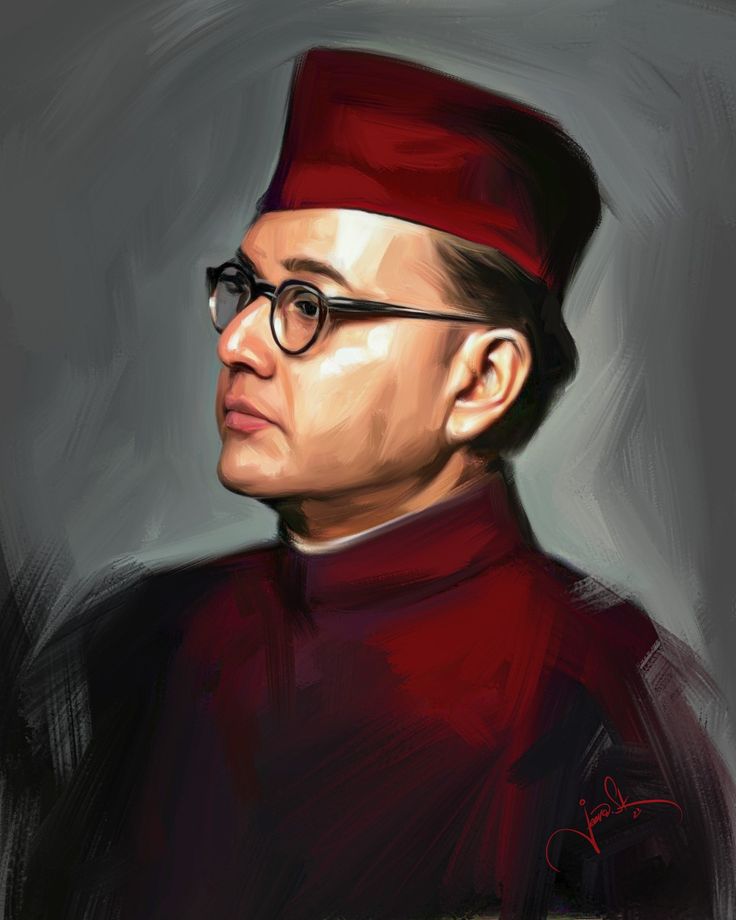
As Dr. Deepti Tiwari notes in Subhas Chandra Bose and His Contribution in Indian Freedom Struggle, Bose’s militant approach and moral clarity made him one of India’s most influential freedom fighters.
Sources:
Indiatimes – Bose’s 1921 Resignation Letter
Dr. Deepti Tiwari – Subhas Chandra Bose and His Contribution in Indian Freedom Struggle (PDF)
🚩 From Resignation to Revolution
You’ve seen Subhas Chandra Bose walk away from power to embrace purpose. In the next chapter, we explore his return to India, his rise in the Indian National Congress, and the formation of the Forward Bloc.
Subhas Chandra Bose didn’t just resign—he redefined patriotism. 👉 Continue reading to 1921–1924 – Joined Indian National Congress, worked with C.R. Das in Bengal..
🗳️ 1921–1924: Subhas Chandra Bose’s Political Baptism — From Resignation to Revolution in Bengal
Between 1921 and 1924, Subhas Chandra Bose joined the Indian National Congress and worked closely with C.R. Das in Bengal, marking his transition from a defiant scholar to a rising political force. These years were foundational in shaping Bose’s leadership style, ideological clarity, and grassroots engagement.
📘 1921: Return to India and Entry into the Congress
After resigning from the Indian Civil Services in April 1921, Subhas Chandra Bose returned to India with a burning desire to serve the nation—not through bureaucracy, but through mass mobilization. He joined the Indian National Congress, then the principal platform for India’s freedom struggle.
His entry was not ceremonial—it was strategic. Bose aligned himself with Chittaranjan Das (C.R. Das), a senior Congress leader and advocate of aggressive nationalism. Das recognized Bose’s intellect, discipline, and moral fire, and took him under his wing.
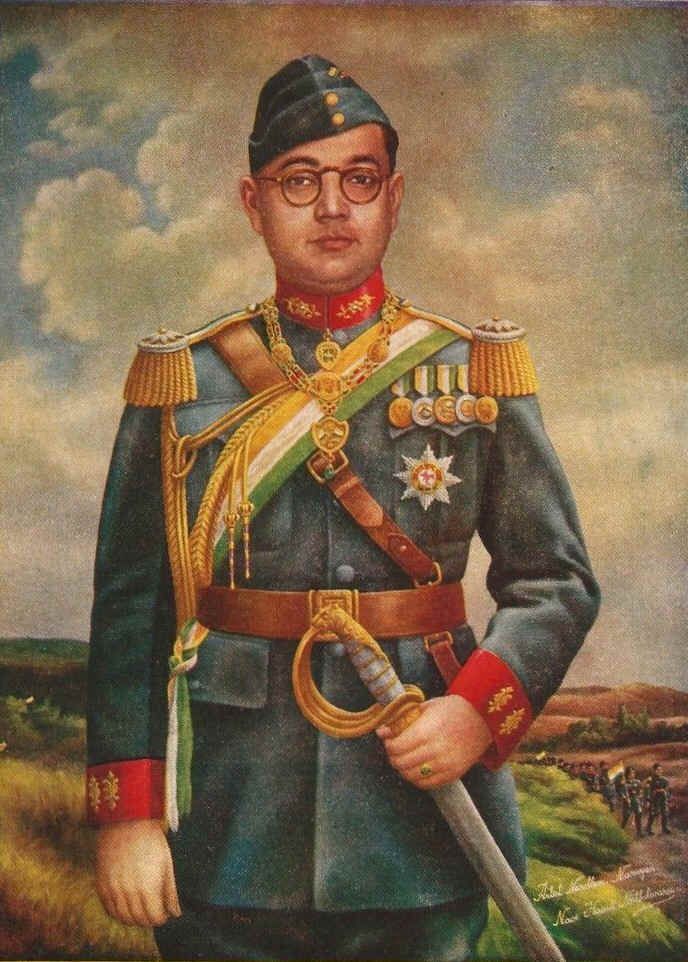
As noted in Subhas Chandra Bose and the Indian National Congress (JSTOR, Nirmal Bosu), Bose’s early political years were marked by “unwavering commitment to national dignity and a deep respect for revolutionary ideals.”
🏛️ 1922: Secretary to C.R. Das and Municipal Reforms
In 1922, Bose was appointed Chief Executive Officer of the Calcutta Corporation, with C.R. Das serving as Mayor. This role gave Bose firsthand experience in governance, public administration, and urban reform.
He introduced sweeping changes in sanitation, education, and civic infrastructure—prioritizing the welfare of the poor and challenging British neglect. His work was not just managerial—it was mission-driven, rooted in the belief that Swaraj must begin at the grassroots.
According to Subhas Chandra Bose: A Biography by Marshall J. Getz, Bose’s tenure in Calcutta was “a laboratory of nationalist governance,” where he balanced idealism with pragmatism.
📚 1923: Political Writing and Ideological Clarity
During this period, Bose also began writing extensively. He edited the newspaper Forward, founded by C.R. Das, and used it as a platform to critique British policies, promote Indian self-rule, and articulate his vision of militant nationalism.
His essays reflected a blend of philosophical depth, political urgency, and emotional resonance. He argued that India’s freedom could not be won through petitions—it required mobilization, sacrifice, and moral defiance.
In The Indian Struggle, Bose later wrote that these years taught him “the art of political organization and the importance of disciplined leadership.”
⚡ 1924: Arrest and Imprisonment
Bose’s rising popularity and radical views alarmed the British authorities. In October 1924, he was arrested under the Bengal Criminal Law Amendment Act and imprisoned in Alipore Jail, later transferred to Mandalay Jail in Burma.
His arrest was a calculated move by the colonial government to suppress nationalist momentum in Bengal. But for Bose, it was a badge of honor. He used his prison time to read, reflect, and refine his strategy for India’s liberation.
As historian Leonard A. Gordon notes in Brothers Against the Raj, Bose’s imprisonment “hardened his resolve and deepened his ideological commitment to complete independence.”
🧭 Legacy of 1921–1924: The Rise of a Revolutionary Leader
These years were the political baptism of Subhas Chandra Bose. He emerged as:
- A trusted lieutenant of C.R. Das and a rising star in Bengal politics.
- A grassroots reformer, blending governance with nationalist ideals.
- A political writer, shaping public opinion and ideological discourse.
- A prisoner of conscience, whose arrest only amplified his influence.

This chapter laid the foundation for Bose’s future leadership in the Congress, the Forward Bloc, and eventually the Indian National Army.
Sources:
- Subhas Chandra Bose and the Indian National Congress – JSTOR
- Getz, Marshall J. Subhas Chandra Bose: A Biography
- Gordon, Leonard A. Brothers Against the Raj
🔥 From Bengal to Bharat
You’ve seen Subhas Chandra Bose rise from resignation to reform. In the next chapter, we explore his national ascent—his role in the Congress, ideological clashes with Gandhi, and the formation of the Forward Bloc.
Subhas Chandra Bose didn’t just serve Bengal—he prepared to lead India. 👉 Continue reading to follow his 1925 – Arrested for nationalist activities; imprisoned in Mandalay, Burma..
⛓️ 1925: Subhas Chandra Bose’s Imprisonment in Mandalay — The Iron Walls That Forged a Revolutionary
In 1925, Subhas Chandra Bose was arrested for his nationalist activities and imprisoned in Mandalay, Burma—an exile that became a crucible for his ideological evolution, spiritual reflection, and strategic clarity. Behind the prison walls, Bose didn’t break—he built. He emerged not weakened, but weaponized.
📍 October 24, 1924: The Arrest That Shook Bengal
Subhas Chandra Bose’s arrest was not a sudden act—it was a calculated move by the British Raj to suppress the rising nationalist tide in Bengal. On October 24, 1924, Bose was arrested under Regulation III of 1818, a draconian law that allowed preventive detention without trial. He was taken from his home in Calcutta and imprisoned in Alipore Central Jail, alongside fellow Swarajist leaders Anil Baran Roy and S.C. Mitra.

The arrest sparked outrage. C.R. Das, Bose’s mentor, thundered:
“Subhas is no more a revolutionary than I am. If love of one’s country is a crime, then I am a criminal.”
Even Mahatma Gandhi condemned the arrest in Young India, calling it unjust and provocative. A massive rally was held in Calcutta on October 31, 1924, demanding Bose’s release.
🚂 Transfer to Mandalay: Exile in a Foreign Land
In early 1925, Bose was transferred to Mandalay Central Prison, Burma (now Myanmar). The British believed that isolating him from Bengal’s political climate would dampen his influence. But Mandalay became the forge of Netaji’s soul.
The prison, located at the foot of Mandalay Hill, was notorious for housing political prisoners. Bose was kept in solitary confinement, surrounded by unfamiliar language, harsh climate, and limited contact with the outside world.
📚 Prison Writings: Thought as Resistance
Rather than succumb to despair, Bose turned inward. He began writing extensively—notes, reflections, and philosophical essays that would later be compiled as Prison Writings of Netaji Subhas Chandra Bose (1924–1927).
In these writings, Bose explored:
- Religion and nationalism: He saw spirituality as a source of strength, not passivity.
- Communal harmony: He lamented India’s internal divisions, calling unity the bedrock of freedom.
- Nation-building: He envisioned a future India built on discipline, sacrifice, and self-reliance.
These writings reveal a man who was not just resisting colonialism—he was reimagining India.
🧭 Physical Hardship, Mental Fortitude
Mandalay’s climate was brutal. Bose suffered from poor health, including malaria and digestive issues. Yet, he refused special treatment. He maintained a strict routine of reading, writing, and meditation. His letters to family were filled with philosophical insight, not complaints.
As Leonard A. Gordon notes in Brothers Against the Raj, Bose’s Mandalay years were “a period of ideological crystallization and spiritual deepening.”
🏛️ Legacy of 1925: The Prison That Built Netaji
Subhas Chandra Bose’s imprisonment in Mandalay was not a pause—it was a preparation. He emerged from exile as:
- A philosopher-patriot, with a sharpened vision for India’s future.
- A strategic thinker, ready to challenge both colonialism and internal divisions.
- A moral force, whose sacrifice inspired youth across India.
His time in Mandalay proved that walls cannot contain conviction, and that solitude can be the soil of revolution.

Sources:
NetajiSubhasBose.org – Subhas Sent to Mandalay Prison
IndianCulture.gov.in – Prison Writings of Netaji Subhas Chandra Bose
Wikipedia – Mandalay Central Prison
⛓️ From Prison to Purpose
You’ve seen Subhas Chandra Bose endure exile and emerge stronger. In the next chapter, we explore his return to public life, his rise in the Indian National Congress, and the ideological clashes that would shape his future.
Subhas Chandra Bose didn’t just survive Mandalay—he transformed within it. 👉 Continue reading to follow his journey 1927 – Released; began working closely with Jawaharlal Nehru..
🤝 1927: Subhas Chandra Bose’s Release and Alliance with Jawaharlal Nehru — A Brotherhood Forged in Freedom
In 1927, Subhas Chandra Bose was released from Mandalay Jail and began working closely with Jawaharlal Nehru—marking the beginning of a powerful, if complex, partnership that would shape the ideological direction of India’s freedom movement. This chapter was not just about political collaboration—it was about two young visionaries uniting to challenge colonialism with intellect, energy, and fire.
🕊️ January 1927: The Return from Exile
After nearly three years of solitary confinement in Mandalay, Burma, Subhas Chandra Bose returned to India in January 1927. His health had deteriorated, but his spirit was unbroken. The British had hoped to silence him through isolation. Instead, they had forged a sharper, more determined revolutionary.
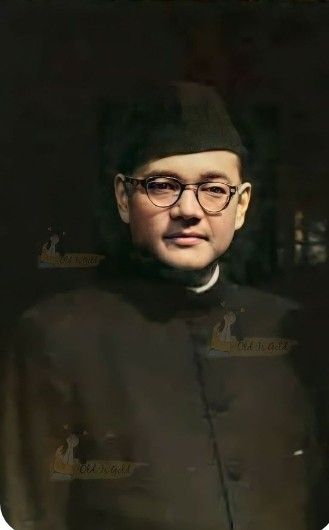
His return was met with celebration across Bengal. Crowds gathered at railway stations, chanting slogans and showering him with flowers. Newspapers hailed him as a “young lion” of the nationalist movement. But Bose was not interested in adulation—he was ready to act.
🧭 Rejoining the Congress: A New Phase of Leadership
Upon his return, Bose rejoined the Indian National Congress and was appointed General Secretary of the Bengal Provincial Congress Committee. He resumed his editorial work with the newspaper Forward and began organizing youth conferences, workers’ unions, and student movements.
But the most significant development of 1927 was his growing alliance with Jawaharlal Nehru.
🤝 The Nehru–Bose Bond: A Brotherhood of Fire
Both Bose and Nehru were in their early 30s. Both were Cambridge-educated, deeply influenced by socialist ideals, and disillusioned with the Congress’s moderate approach. They believed that India’s freedom would not come through petitions—it required mass mobilization, economic justice, and international solidarity.
Their friendship was rooted in mutual respect. Nehru admired Bose’s discipline and courage; Bose admired Nehru’s intellect and charisma. Together, they formed the left-wing bloc within the Congress, pushing for more radical policies.
As historian Rudrangshu Mukherjee writes in Nehru and Bose: Parallel Lives,
“They were comrades in conviction, though not always in method. Their alliance was a moment of hope for a more assertive, progressive Congress.”
📚 Ideological Synergy and Divergence
In 1927, both leaders were elected to the All India Congress Committee (AICC) and began advocating for:
- Complete independence (Purna Swaraj) instead of dominion status.
- Land reforms and workers’ rights.
- Anti-imperialist solidarity with global liberation movements.
They also opposed the Simon Commission, which had no Indian representation. Bose and Nehru mobilized students and youth to boycott the Commission’s visit, leading to widespread protests.
However, subtle differences began to emerge. Nehru remained loyal to Gandhi’s leadership and non-violence, while Bose began to question its effectiveness. Still, in 1927, their unity was strong, and their influence was growing.
🏛️ Legacy of 1927: The Rise of a Revolutionary Duo
The year 1927 was a turning point in Bose’s political journey. He emerged as:
- A national leader, no longer confined to Bengal.
- A strategic organizer, building youth and labor movements.
- A visionary ally, shaping Congress’s leftist agenda with Nehru.
Their collaboration inspired a new generation of Indians to dream of not just freedom—but of a just, equitable, and self-reliant India.

Sources:
- Nehru and Bose: Parallel Lives – Rudrangshu Mukherjee (Penguin Books)
- Role of Subhas Chandra Bose in Indian Freedom Movement – IJRAR
- Jawaharlal Nehru and Subhas Chandra Bose: A Comparative Study – NBU Journal
🗳️ From Allies to Architects
You’ve seen Subhas Chandra Bose return from exile and join forces with Nehru. In the next chapter, we explore his meteoric rise to Congress presidency, his ideological clashes with Gandhi, and the birth of the Forward Bloc.
Subhas Chandra Bose didn’t just rejoin the movement—he reshaped it. 👉 Continue reading to follow his journey from 1928 to 1929.
🗳️ 1928–1929: Subhas Chandra Bose’s Rise and Rebellion — From Congress Firebrand to National Icon
Between 1928 and 1929, Subhas Chandra Bose emerged as one of the most dynamic voices in the Indian National Congress, challenging colonial compromise and demanding complete independence. These years marked his ideological divergence from Gandhi, his leadership of youth movements, and his growing stature as a national leader.
📍 1928: The Nehru Report and Bose’s Defiant Stand
In 1928, the Indian National Congress appointed a committee led by Motilal Nehru to draft a constitutional framework for India’s future. The result was the Nehru Report, which proposed dominion status for India within the British Empire—similar to Canada or Australia.
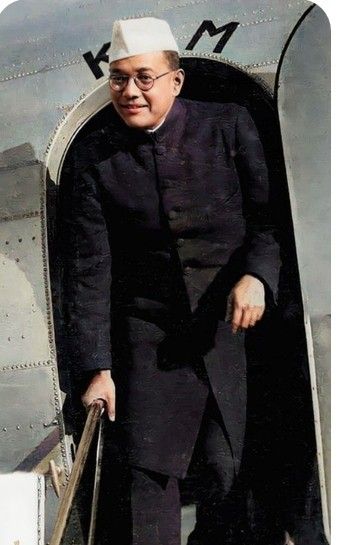
Subhas Chandra Bose vehemently opposed this. He believed that dominion status was a compromise, a half-measure that betrayed the sacrifices of revolutionaries and the aspirations of the youth. He declared:
“No compromise with colonialism. We demand complete independence—Purna Swaraj.”
Bose joined forces with Jawaharlal Nehru, who also leaned toward complete independence. Together, they formed the Congress’s left-wing bloc, pushing for radical change.
In Subhas Chandra Bose: A Biography by Marshall J. Getz, the author notes that Bose’s opposition to the Nehru Report was “a defining moment of ideological clarity and political courage.”
🧭 1928: All India Youth Congress and Student Mobilization
Bose believed that India’s future lay in the hands of its youth. In 1928, he helped organize the All India Youth Congress, mobilizing students across provinces to demand full independence, boycott British institutions, and embrace nationalist ideals.
He traveled extensively, delivering fiery speeches that electrified audiences. His slogan—“Freedom is not given, it is taken”—became a rallying cry.
As noted in Netaji Subhas Chandra Bose and Indian Freedom Struggle by Dr. Deepti Tiwari, Bose’s youth mobilization was “a masterclass in grassroots leadership and ideological education.”
📚 1929: Lahore Congress and the Call for Purna Swaraj
In December 1929, the Congress met in Lahore, where the demand for Purna Swaraj (complete independence) was officially adopted. This was a victory for Bose and Nehru, who had relentlessly pushed the agenda.
Though Jawaharlal Nehru was elected Congress President, Bose’s influence was undeniable. He had shifted the party’s tone from negotiation to confrontation, from moderation to militancy.
At the Lahore session, Bose declared:
“We do not want to live as slaves. We want freedom in our lifetime, and we shall fight for it with every drop of our blood.”
This ideological shift laid the groundwork for the Civil Disobedience Movement and Bose’s future leadership of the Forward Bloc.
🏛️ Legacy of 1928–1929: The Firebrand Ascends
These two years marked Bose’s national ascent. He emerged as:
- A principled dissenter, challenging compromise within the Congress.
- A youth icon, mobilizing students and workers for direct action.
- A strategic visionary, laying the foundation for future resistance.
His defiance of the Nehru Report and his role in the Lahore Congress positioned him as a leader of the uncompromising wing of Indian nationalism.
Sources:
- Getz, Marshall J. Subhas Chandra Bose: A Biography
- Tiwari, Deepti. Netaji Subhas Chandra Bose and Indian Freedom Struggle
- Mukherjee, Rudrangshu. Nehru and Bose: Parallel Lives
🚩 From Congress to Confrontation
You’ve seen Subhas Chandra Bose challenge compromise and demand complete independence. In the next chapter, we explore his presidency of the Congress, his ideological clash with Gandhi, and the formation of the Forward Bloc.
Subhas Chandra Bose didn’t just speak of freedom—he demanded it. 👉 Continue reading to follow his journey from 1930 – Elected Mayor of Calcutta.
🏛️ 1930: Subhas Chandra Bose Elected Mayor of Calcutta — A Revolutionary in Civic Robes
In 1930, Subhas Chandra Bose was elected Mayor of Calcutta, transforming the city’s municipal leadership into a platform for nationalist governance. This wasn’t just a political appointment—it was a declaration that Swaraj must begin at the grassroots, with dignity, discipline, and service.
📍 The Political Climate: Calcutta in the Crosshairs
The year 1930 was a stormy one in India’s freedom struggle. The Civil Disobedience Movement had erupted under Gandhi’s leadership, and Bengal was a hotbed of revolutionary activity. Amid this turbulence, Subhas Chandra Bose—already a rising star in the Indian National Congress—was elected Mayor of Calcutta, one of the most prestigious civic positions in British India.
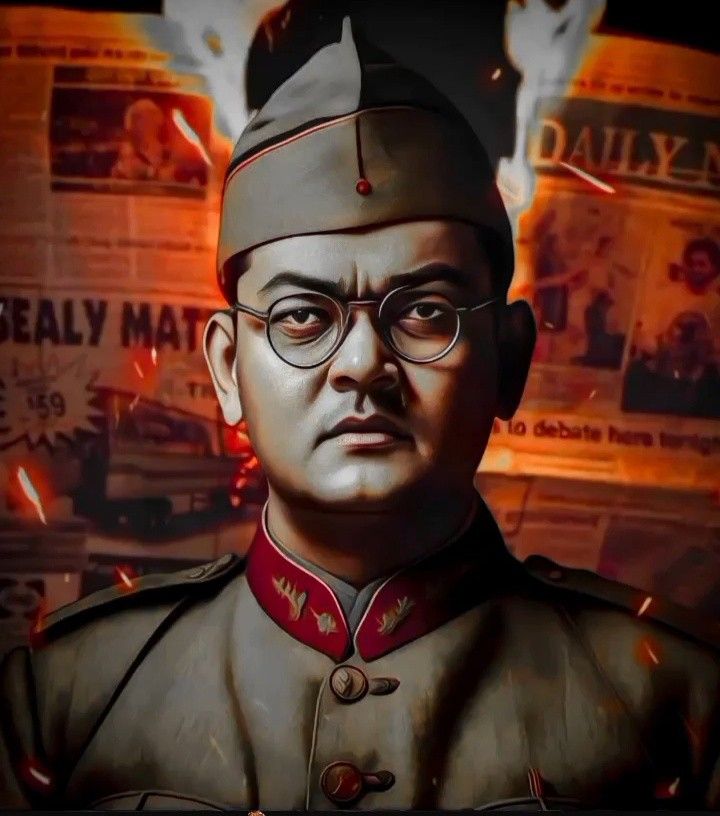
His election was not just a victory for the Congress—it was a symbolic takeover of colonial civic space. Bose had previously served as Chief Executive Officer of the Calcutta Corporation under C.R. Das, and now he was at the helm.
🧭 Vision for Civic Swaraj: Governance as Resistance
Bose believed that freedom must be practiced, not just preached. As Mayor, he launched a series of reforms aimed at empowering the poor, improving public health, and expanding education. His priorities included:
- Establishing primary schools in every ward to ensure access to education.
- Setting up dispensaries and sanitation drives to combat disease and neglect.
- Creating civic kitchens to distribute free milk and food to undernourished children.
According to the Indian Culture archive, Bose’s tenure marked a shift from colonial neglect to nationalist service. He treated municipal governance as a training ground for Swaraj, where every street, school, and clinic was a step toward freedom.
📚 Leadership Style: Discipline, Dignity, and Defiance
Bose brought military precision to civic administration. He insisted on punctuality, transparency, and accountability. His speeches to the Corporation staff were fiery yet focused:
“We are not here to serve the British Empire. We are here to serve the soul of India.”
He refused to attend British-hosted civic receptions, declined colonial honors, and used his office to promote Swadeshi values. His mayoral robes were not symbols of submission—they were emblems of resistance.
As noted in Subhas Chandra Bose: A Biography by Marshall J. Getz, Bose’s mayoral term was “a masterclass in nationalist governance, where civic duty met revolutionary zeal.”
⚡ Challenges and Confrontations
Bose’s radical approach drew criticism from colonial officials and conservative elites. He clashed with British administrators over budget allocations, public health priorities, and the use of municipal funds for nationalist causes.
Yet, he remained undeterred. His tenure was short-lived—he resigned in 1931 due to health issues and political pressure—but the impact was lasting. He had shown that municipal power could be wielded for national purpose.
🏛️ Legacy of 1930: The Mayor Who Marched for Freedom
Subhas Chandra Bose’s election as Mayor of Calcutta was more than a civic milestone—it was a political statement, a moral stand, and a strategic move in India’s freedom struggle. He emerged as:
- A grassroots reformer, turning city governance into a tool of liberation.
- A symbol of civic defiance, challenging colonial norms from within.
- A nationalist administrator, blending discipline with compassion.
His mayoral year proved that Swaraj begins in the streets, and that leadership is not about titles—it’s about transformation.

Sources:
- Indian Culture Archive – Subhas Chandra Bose and Calcutta Municipal Corporation
- Getz, Marshall J. Subhas Chandra Bose: A Biography
- Telegraph India – 100 Years of Bose and Das in Calcutta Corporation
🗳️ From Mayor to Movement
You’ve seen Subhas Chandra Bose turn civic power into nationalist purpose. In the next chapter, we explore his rise to Congress presidency, his ideological clash with Gandhi, and the formation of the Forward Bloc.
Subhas Chandra Bose didn’t just govern Calcutta—he galvanized India. 👉 Continue reading to follow his journey from 1931 to 1939.
🗳️ 1931–1939: Subhas Chandra Bose’s Ascent, Ideological Clashes, and the Birth of the Forward Bloc — A Decade of Defiance and Destiny
Between 1931 and 1939, Subhas Chandra Bose rose from a civic reformer to a national icon, challenging Gandhi’s moderate stance, leading the Congress, and founding the Forward Bloc. This decade was the crucible that shaped Bose’s legacy as a visionary who refused to compromise with colonialism or internal inertia.
📍 1931: Resignation from Calcutta Mayoralty and Health Crisis
After a transformative year as Mayor of Calcutta, Bose resigned in 1931, citing deteriorating health and political pressure. His tenure had redefined civic leadership as a nationalist tool, but the strain of constant confrontation with colonial administrators took its toll.
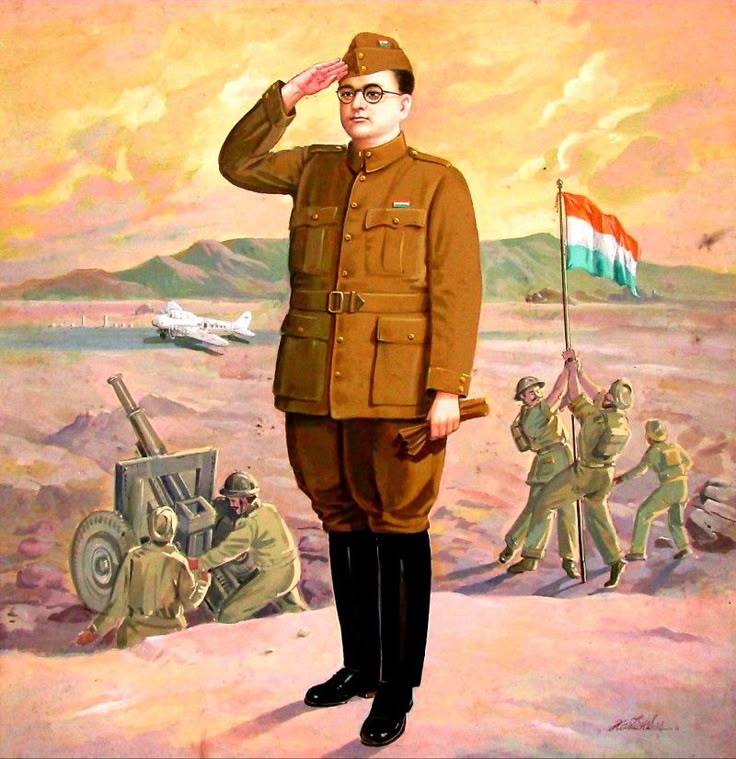
He traveled to Europe for treatment, spending time in Vienna, where he also began writing his political memoir, The Indian Struggle. This book, later banned by the British, outlined his vision for militant nationalism, economic justice, and complete independence.
As noted in The Indian Struggle (1934), Bose wrote:
“The fight for freedom must be waged not only in the streets but in the minds of men.”
📚 1932–1933: European Exile and Intellectual Expansion
During his European exile, Bose met with political thinkers, socialists, and anti-imperialists. He studied fascism, communism, and Irish nationalism, seeking models for India’s liberation. He admired Giuseppe Garibaldi’s military nationalism and De Valera’s Irish resistance, though he remained critical of authoritarianism.
In Letters, Articles, Speeches and Statements, 1933–1937, Bose explored themes of urban planning, spirituality, and international solidarity, showing his multidimensional intellect.
He also corresponded with Jawaharlal Nehru, expressing concern over Congress’s slow pace and Gandhi’s emphasis on non-violence. Their ideological bond began to fray.
⚡ 1934: Return to India and Political Re-entry
Bose returned to India in 1934, rejoining the Congress but facing internal resistance. Gandhi’s camp viewed him as too radical, while moderates feared his socialist leanings. Yet, Bose’s popularity among youth and workers surged.
He launched campaigns for labor rights, student mobilization, and anti-British agitation. His speeches were fiery, demanding not just freedom but economic restructuring and social justice.
In Subhas Chandra Bose: A Biography by Marshall J. Getz, the author notes:
“Bose’s return marked the beginning of a new phase—where ideology met mass mobilization.”
🗳️ 1936–1938: Congress Leadership and Presidential Bid
In 1936, Bose was elected President of the All India Youth Congress, and in 1938, he was elected President of the Indian National Congress, defeating Gandhi’s nominee Pattabhi Sitaramayya. This victory was a turning point—it showed that the Congress base was ready for bold leadership.
As Congress President, Bose pushed for:
- Industrialization and state planning.
- Complete independence, rejecting dominion status.
- Formation of a national militia to prepare for armed resistance.
He established the National Planning Committee, laying the groundwork for India’s future economic policy. However, his assertive style clashed with Gandhi’s philosophy of non-violence and village-centric development.
🧭 1939: Second Term, Resignation, and Formation of Forward Bloc
In 1939, Bose was re-elected Congress President but faced intense opposition from Gandhi’s faction. Unable to implement his vision, he resigned and founded the Forward Bloc, aiming to unite all anti-British forces under a single banner.
The Forward Bloc advocated:
- Militant nationalism.
- Socialist economic policies.
- International alliances against British imperialism.
This move marked Bose’s ideological break from the Congress, but not from the freedom struggle. He believed that India’s liberation required confrontation, not compromise.
As World War II loomed, Bose saw an opportunity to leverage global conflict for India’s freedom—a strategy that would soon lead to his daring escape and INA formation.
🏛️ Legacy of 1931–1939: The Architect of Assertive Nationalism
This decade transformed Subhas Chandra Bose from a civic reformer into a nationalist visionary, a Congress challenger, and a movement builder. He emerged as:
- A strategic thinker, blending ideology with action.
- A mass mobilizer, inspiring youth, workers, and intellectuals.
- A political rebel, who refused to dilute the dream of complete independence.
His clashes with Gandhi were not personal—they were philosophical. Bose believed that freedom must be seized, not negotiated.

Sources:
- Bose, Subhas Chandra. The Indian Struggle (1934)
- Bose, Subhas Chandra. Letters, Articles, Speeches and Statements, 1933–1937
- Getz, Marshall J. Subhas Chandra Bose: A Biography
- GKToday – Subhas Chandra Bose’s Escape and WWII Context
- Wikipedia – Bibliography of Subhas Chandra Bose
🌍 From Congress to Combat
You’ve seen Subhas Chandra Bose rise, rebel, and reshape India’s political landscape. In the next chapter, we explore his escape from India, his global alliances, and the formation of the Indian National Army.
Subhas Chandra Bose didn’t just challenge the British—he challenged history. 👉 Continue reading to follow his journey from 1940 to 1943.
🌍 Subhas Chandra Bose (1940–1943): Escape, Alliances, and the Birth of the INA
From house arrest to submarine diplomacy, this chapter chronicles Netaji’s transformation into a global revolutionary. It’s a story of daring escape, ideological clarity, and the forging of an army that would march for India’s freedom.
🕵️ 1940: Arrest and House Detention — The Empire’s Last Attempt to Cage a Lion
By 1940, Subhas Chandra Bose had become a thorn in the British Empire’s side. His fiery speeches, mass mobilizations, and refusal to support Britain’s war effort during World War II made him a target. On July 2, 1940, the British arrested him under the Defence of India Act, fearing his influence would ignite rebellion.
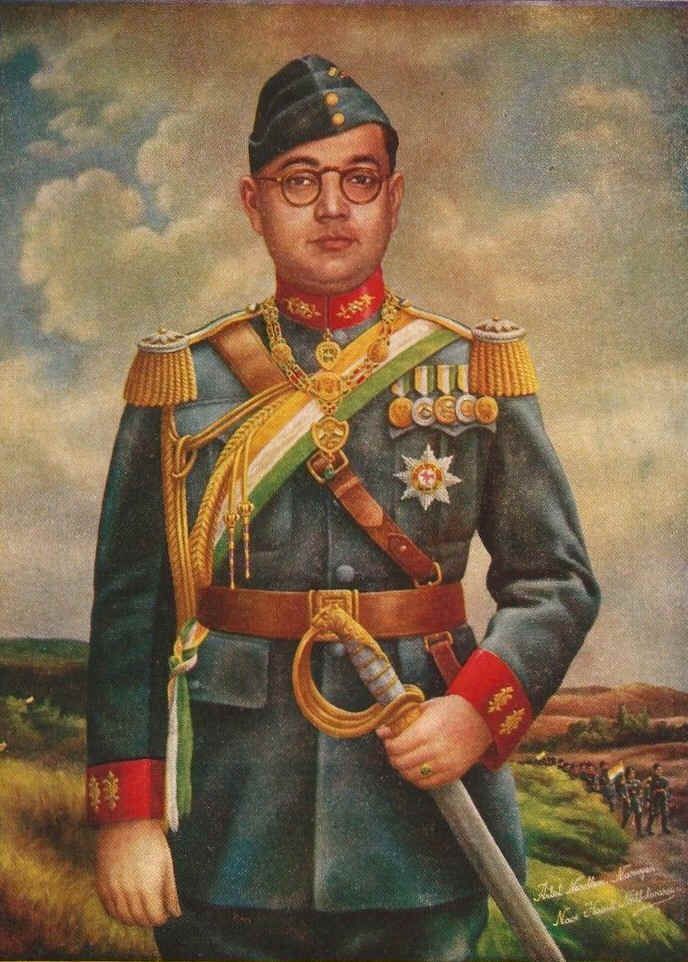
He was first imprisoned in Presidency Jail, then transferred to house arrest at his residence on Elgin Road, Calcutta. But Bose was not a man to be silenced. Under surveillance, he began plotting his most audacious move yet—a secret escape from British India.
“You can cage a revolutionary, but you cannot cage a revolution.”
— Subhas Chandra Bose, 1940
🛤️ 1941: The Great Escape — From Elgin Road to Berlin
On the cold night of January 16, 1941, Bose disguised himself as a Pathan named “Mohammad Ziauddin.” With the help of his nephew Sisir Kumar Bose, he slipped past British guards and began a journey that would span continents.
🗺️ Route Breakdown:
- Calcutta to Gomoh: By car, under cover of darkness.
- Gomoh to Peshawar: By train, avoiding British checkpoints.
- Peshawar to Kabul: With help from underground revolutionaries.
- Kabul to Moscow: Via Soviet intelligence channels.
- Moscow to Berlin: Arriving in March 1941, greeted by German officials.
This escape was not just physical—it was symbolic. Bose had broken the chains of colonial surveillance and entered the global stage.
As detailed in From Kolkata to Berlin: The Riveting Saga of Netaji’s Great Escape, this journey was “a masterclass in stealth, courage, and revolutionary resolve.”
🇩🇪 1941–1943: Bose in Germany — Diplomacy, Broadcasts, and the Indian Legion
In Berlin, Bose established the Free India Centre, a diplomatic mission aimed at garnering support for India’s independence. He launched Azad Hind Radio, broadcasting messages in multiple languages to awaken Indians across Europe and Asia.
He met Adolf Hitler in May 1942. Though their ideologies clashed, Bose remained focused on his mission: securing military and logistical support to fight the British.
🪖 The Indian Legion:
- Composed of Indian POWs captured in North Africa.
- Trained under German command.
- Wore uniforms bearing the Azad Hind insignia.
- Though they never fought in India, they symbolized Bose’s vision of armed resistance.
In Subhas Chandra Bose: A Biography by Marshall J. Getz, the author writes:
“Bose’s time in Germany was a period of diplomatic persistence and ideological clarity. He was building a revolution with every broadcast, every handshake, every soldier recruited.”
✈️ 1943: Submarine Voyage to Japan — A Journey Through War
In February 1943, Bose embarked on a historic journey from Germany to Japan aboard the German submarine U-180. Midway, he transferred to the Japanese submarine I-29, making him one of the few civilians to cross oceans via submarine during wartime.
He arrived in Tokyo in June 1943, greeted by Japanese officials and Indian expatriates. His mission: to revive the Indian National Army (INA) and lead it into battle.
This voyage was not just logistical—it was legendary. It showed that Bose was willing to risk everything, even his life, to build a path to freedom.
⚔️ October 21, 1943: The Azad Hind Government — A Nation in Exile
On October 21, 1943, in Singapore, Bose declared the formation of the Provisional Government of Free India (Azad Hind). This government was recognized by nine Axis-aligned nations, including Germany, Japan, Italy, and others.
🏛️ Key Ministries:
- Subhas Chandra Bose: Head of State, Prime Minister, and Minister of War.
- Dr. Lakshmi Sehgal: Leader of the Rani of Jhansi Regiment, the first all-women combat unit in Indian history.
- INA Headquarters: Located in Rangoon, Burma.
The INA’s motto:
“Ittehad, Itmad, Qurbani” — Unity, Faith, Sacrifice
This was not a symbolic gesture. Bose had created a functioning government, with a flag, currency, and army. It was the first Indian government to declare war against the British Empire.

🧭 Legacy of 1940–1943: The Global Revolutionary
Subhas Chandra Bose’s actions during these years redefined the Indian freedom struggle. He was no longer just a Congress dissenter—he was a global patriot, a military commander, and a diplomatic force.
🔥 What Bose Achieved:
- Escaped British surveillance and reached Berlin.
- Built the Free India Centre and Indian Legion.
- Crossed oceans in submarines to reach Japan.
- Revived the INA and declared the Azad Hind Government.
- Inspired millions with his slogan:
“Give me blood, and I will give you freedom.”
His leadership was not theoretical—it was tactical, emotional, and visionary. He proved that freedom could be fought for beyond borders, and that India’s destiny was worth risking everything.
📚 Sources and References
- Bose, Subhas Chandra. The Indian Struggle (1934)
- Getz, Marshall J. Subhas Chandra Bose: A Biography
- Times of India – Netaji’s Great Escape
- Firstpost – Azad Hind Government Declaration
- Indian Culture Archive – INA and Azad Hind
🚩 From Exile to Battlefield
You’ve seen Subhas Chandra Bose escape, strategize, and declare a government in exile. In the next chapter, we follow the INA’s march toward India, the battles of Imphal and Kohima, and the final flight that turned Bose into legend.
Subhas Chandra Bose didn’t just challenge the British—he challenged history. 👉 Continue reading to explore his journey from 1944
🛡️ 1944: Subhas Chandra Bose’s INA Campaign in Imphal and Kohima — A March of Courage, A Trial of Fire
In 1944, Subhas Chandra Bose led the Indian National Army (INA) into battle against British forces at Imphal and Kohima, marking the INA’s most ambitious military campaign. Though the offensive faced setbacks, it ignited nationalist fervor and shook the foundations of colonial rule. This chapter is a testament to Bose’s battlefield leadership, strategic vision, and the emotional power of sacrifice.
📍 Strategic Context: The India–Burma Border and the INA’s Mission
By early 1944, Bose’s Azad Hind Government had gained recognition from Axis powers, and the INA had grown into a formidable force of over 40,000 soldiers, including the Rani of Jhansi Regiment. The Japanese Imperial Army, allied with Bose, planned a joint offensive into British India through Burma’s northeastern frontier.
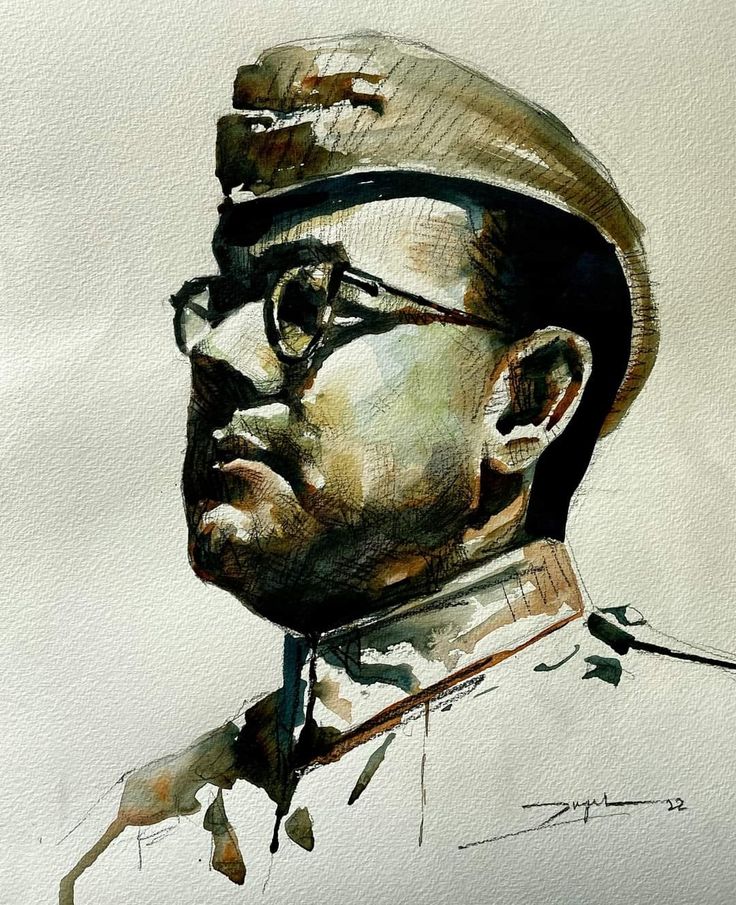
The targets:
- Imphal (Manipur) — a key British supply base.
- Kohima (Nagaland) — a strategic hill town controlling access to Assam.
Bose’s goal was clear: liberate Indian soil, rally local support, and trigger a mass uprising against British rule.
⚔️ March 1944: INA Crosses the Border — The Battle Begins
In March 1944, INA troops, alongside Japanese divisions, crossed the Chindwin River and entered Indian territory. This was the first time since 1857 that an Indian army had marched into India to fight for independence.
Key Units:
- Subhas Brigade: Led by Colonel Shah Nawaz Khan.
- Gandhi Brigade: Led by Colonel Inayat Kiani.
- Azad Brigade: Led by Colonel Gulzara Singh.
The INA advanced through Tiddim, Ukhrul, and Bishenpur, reaching the outskirts of Imphal and Kohima. Morale was high. Bose addressed his troops:
“You are the sword of India’s freedom. March forward with faith and fire.”
🧭 April–June 1944: Siege of Imphal and Kohima — The Turning Point
The battles of Imphal and Kohima were brutal. British and Indian forces, under General Slim, mounted fierce resistance. The terrain was mountainous, the weather unforgiving, and supply lines stretched thin.
Challenges Faced:
- Monsoon rains flooded roads and trenches.
- Air superiority of the British disrupted INA logistics.
- Local support was limited due to fear and propaganda.
- Japanese coordination faltered, leading to miscommunication.
Despite early gains, the INA began to suffer heavy casualties. The siege of Imphal lasted over three months, but by July 1944, the offensive collapsed. The INA was forced to retreat into Burma.
🩸 Human Cost and Heroism
The INA lost thousands of soldiers. Many died of starvation, disease, and exhaustion. Yet, their courage was unmatched. Stories of hand-to-hand combat, last stands, and voluntary sacrifice filled the ranks.
The Rani of Jhansi Regiment, under Dr. Lakshmi Sehgal, provided medical aid and logistical support, defying gender norms and colonial expectations.
In Netaji Subhas Chandra Bose: Contemporary Anecdotes and Wartime Reportage, Prof. Priyadarshi Mukherjee writes:
“The INA’s defeat was tactical, but its impact was psychological. It proved that Indians could fight, bleed, and die for their own flag.”
📚 Political Impact: Victory in Defeat
Though militarily unsuccessful, the Imphal-Kohima campaign had profound consequences:
- It shattered the myth of Indian loyalty to the British Army.
- It inspired mass support for Bose and the INA across India.
- It pressured the British, who feared a repeat uprising.
- It galvanized nationalist sentiment, especially among youth and soldiers.
The British began to realize that their grip on India was weakening—not just politically, but emotionally.
As Neipreu Mero writes in Battle of Kohima: Victory in Defeat (IJCRT):
“The INA’s march rekindled Indian nationalism. It was a psychological blow to colonial arrogance.”
🏛️ Legacy of 1944: The March That Moved a Nation
Subhas Chandra Bose’s leadership in 1944 was not defined by battlefield maps—it was defined by moral courage, strategic daring, and emotional resonance. He emerged as:\
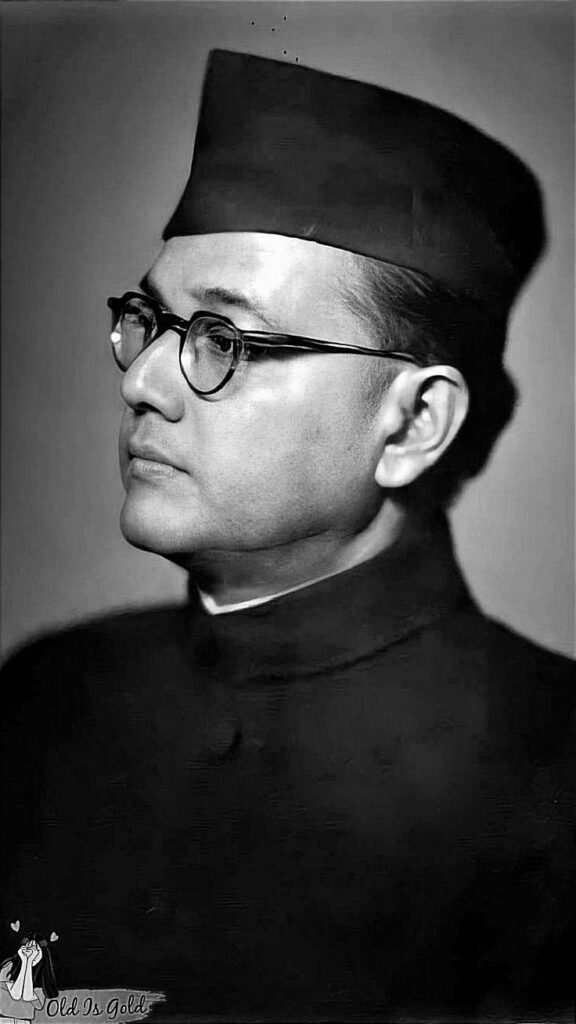
- A commander-in-chief, leading from the front.
- A symbol of sacrifice, inspiring generations.
- A nationalist visionary, proving that freedom was worth dying for.
His call—“Give me blood, and I will give you freedom”—was no longer a slogan. It was a lived reality.
📚 Sources and References
- Battles – Rise and Fall of INA | NetajiSubhasBose.org
- Battle of Kohima: Victory in Defeat – IJCRT
- INA: Imphal and Kohima 1944 – WarHistory.org
✈️ From Battlefield to Legend
You’ve seen Subhas Chandra Bose lead the INA into India, defy empires, and awaken a nation. In the next chapter, we explore his final flight, the mystery of his death, and the immortal legacy he left behind.
Subhas Chandra Bose didn’t just fight battles—he built belief. 👉 Continue reading to follow his journey from 1945 to eternity.
🕊️ August 1945: The Final Flight and Disappearance of Subhas Chandra Bose — A Mystery That Became a Movement
On August 17, 1945, Subhas Chandra Bose reportedly boarded a Japanese military plane from Taihoku (now Taipei). On August 18, he allegedly died in a crash. But the truth remains elusive. Was it a tragic accident—or a calculated disappearance? This chapter explores the final days of Netaji, the reported crash, the global reactions, and the legacy of a disappearance that still haunts Indian history.
📍 August 1945: The War Ends, But Bose’s Mission Doesn’t
World War II was collapsing. Germany had surrendered in May. Japan was reeling from the atomic bombings of Hiroshima (August 6) and Nagasaki (August 9). On August 15, 1945, Japan announced its surrender.

For Subhas Chandra Bose, surrender was not an option. His Azad Hind Government and the Indian National Army (INA) had fought valiantly in Burma and northeastern India. Despite setbacks at Imphal and Kohima, Bose remained determined to continue the struggle.
His plan: travel to Tokyo, then possibly to Soviet Russia, to seek support for a renewed campaign against British colonialism.
“India shall be free. If not today, then tomorrow. If not by peace, then by fire.”
— Subhas Chandra Bose, August 1945
✈️ August 17, 1945: The Flight from Taihoku
On the morning of August 17, Bose boarded a Japanese Mitsubishi Ki-21 bomber at Taihoku Airfield in Japanese-occupied Formosa (now Taipei, Taiwan). He was accompanied by Lieutenant General Tsunamasa Shidei of the Japanese Kwantung Army and other aides.
The aircraft was scheduled to fly to Tokyo, with a stopover in Dalian, Manchuria. According to Japanese accounts, shortly after takeoff, the left engine failed, causing the plane to crash and burst into flames.
Bose, soaked in aviation fuel, reportedly suffered third-degree burns and was taken to Nanmon Military Hospital, where he succumbed to his injuries on August 18, 1945.
🕯️ The Aftermath: Ashes, Silence, and Suspicion
Bose’s ashes were said to be collected and sent to Renkōji Temple in Tokyo, where they remain enshrined. A memorial service was held, and the Japanese government informed the Azad Hind Government and INA leadership.
But in India, the news was met with shock, disbelief, and skepticism. Many refused to accept that Bose had died. Rumors spread that he had escaped, gone underground, or reached Russia.
In The Mysterious Disappearance of Netaji Subhas Chandra Bose, Nikhil Tomar writes:
“The crash was real. But the silence that followed was deafening. No photographs, no autopsy, no eyewitness consensus. It was as if history had paused, waiting for Netaji to return.”
📚 Investigations and Theories
Over the decades, multiple commissions were set up to investigate Bose’s disappearance:
🔍 Shah Nawaz Committee (1956)
- Concluded that Bose died in the crash.
- Relied heavily on Japanese testimonies.
🔍 Khosla Commission (1970)
- Reaffirmed the crash narrative.
- Noted inconsistencies in medical records and witness statements.
🔍 Mukherjee Commission (2006)
- Rejected the crash theory.
- Claimed Bose did not die in Taiwan.
- Suggested further investigation into Soviet links.
Despite these inquiries, no conclusive evidence has emerged. The mystery remains unsolved.
🧭 Legacy of August 1945: Death or Disappearance?
Whether Bose died in the crash or vanished into history, his legacy was sealed. He became:
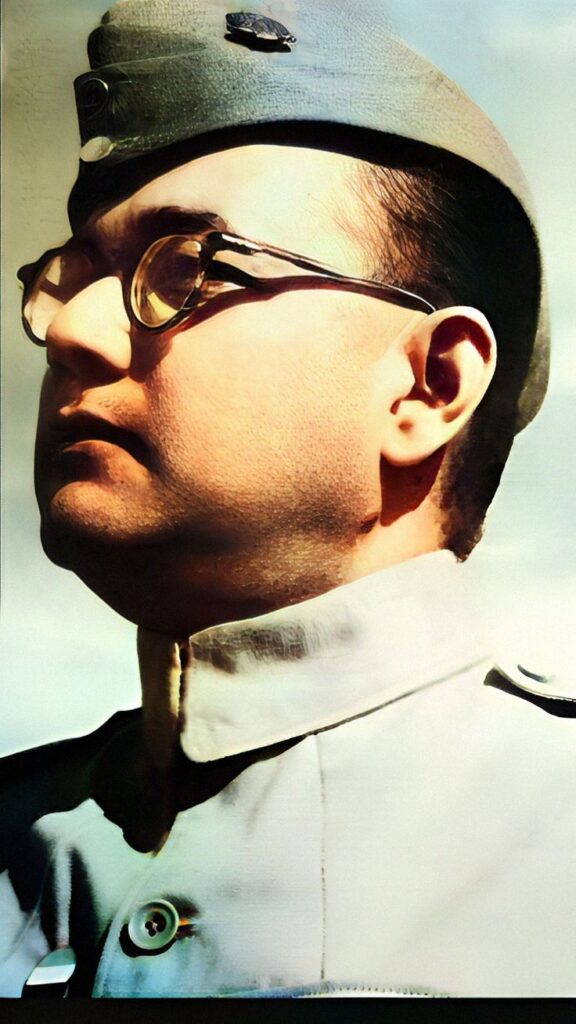
- A martyr of fire, if the crash was real.
- A legend of silence, if he disappeared.
- A symbol of eternal resistance, either way.
His final flight was not just a physical journey—it was a metaphor for sacrifice, secrecy, and sovereignty.
“Netaji did not die. He became the soul of India’s freedom.”
— Anonymous INA veteran
📚 Sources and References
- Wikipedia – Death of Subhas Chandra Bose
- ScienceTonight – The Mysterious Disappearance of Netaji Subhas Chandra Bose
- Morung Express – The Enigma of Bose
🕊️ From Disappearance to Destiny
You’ve followed Subhas Chandra Bose to his final flight. In the next chapter, we explore how his legacy shaped post-independence India, inspired generations, and continues to challenge the boundaries of history and memory.
Subhas Chandra Bose didn’t just vanish—he became immortal. 👉 Continue reading to explore his legacy from 1945 to today.
🇮🇳 Legacy and Impact of Subhas Chandra Bose: The Eternal Flame of Indian Nationalism
🪔 I. Revered as “Netaji” — The Rise of a Respected Leader
The name “Netaji” was not a title bestowed by any government—it was a spontaneous expression of reverence. First used by Indian soldiers and civilians in Germany and Southeast Asia, the term “Netaji” (Respected Leader) captured the awe and loyalty Bose inspired.

Why “Netaji” Endures:
- Emotional Authority: Bose led not through fear or hierarchy, but through moral conviction and personal sacrifice.
- Pan-Indian Appeal: He transcended caste, religion, and region—uniting Hindus, Muslims, Sikhs, and Christians under one flag.
- Global Recognition: From Berlin to Tokyo, Bose was known as the face of Indian resistance.
Even today, “Netaji” is not just a name—it’s a national invocation, a symbol of leadership rooted in courage and clarity.
“Netaji was not merely a man—he was a movement.”
— Leonard A. Gordon, Brothers Against the Raj
🔥 II. Uncompromising Patriotism — The Fire That Refused to Dim
Subhas Chandra Bose’s patriotism was not ornamental—it was absolute, urgent, and unyielding. He rejected the idea of dominion status, insisting on Purna Swaraj (complete independence) when others still negotiated with the British.
His Patriotism Was:
- Fearless: Resigned from the Indian Civil Services in 1921, sacrificing a prestigious career for the nation.
- Principled: Opposed appeasement, even when it meant clashing with Gandhi and the Congress high command.
- Pan-Indian: Advocated for unity across linguistic, religious, and regional lines.
He believed that freedom was not a favor to be granted—it was a right to be reclaimed.
“No real change in history has ever been achieved by discussions.”
— Subhas Chandra Bose
⚔️ III. Militant Resistance — The INA and the Call to Arms
While others chose non-violence, Bose chose armed resistance. He believed that colonialism could not be reasoned with—it had to be confronted.
The Indian National Army (INA):
- Formed in 1942, revived under Bose in 1943.
- Composed of over 40,000 soldiers, including the Rani of Jhansi Regiment—Asia’s first all-women combat unit.
- Fought alongside Japanese forces in Imphal and Kohima.
- Declared war on Britain and the United States in 1943.
His leadership was not from behind a desk—it was on the battlefield, in uniform, addressing troops with thunder in his voice.
“We should have but one desire today—the desire to die so that India may live.”
Though the INA campaign faced military setbacks, it shattered colonial myths and inspired a generation of Indians to believe in their own strength.
🌐 IV. Global Diplomacy — A Revolutionary Without Borders
Bose was not just a soldier—he was a statesman of the world. He forged alliances with Axis powers not out of ideology, but out of strategic necessity.
His Diplomatic Achievements:
- Established the Free India Centre in Berlin.
- Broadcasted nationalist messages via Azad Hind Radio.
- Met with Hitler, Tojo, and other world leaders.
- Formed the Provisional Government of Free India, recognized by nine countries.
He understood that India’s freedom was not just a domestic issue—it was a global cause. His diplomacy was bold, controversial, and visionary.
“No real change in history has ever been achieved by discussions.”
— Subhas Chandra Bose
🗣️ V. The Power of Words — “Give Me Blood, and I Will Give You Freedom”
Among Bose’s many slogans, none is more iconic than:
“Give me blood, and I will give you freedom.”
This was not metaphor—it was a call to arms, delivered in 1944 to the INA in Burma. It captured the essence of Bose’s ideology: freedom demands sacrifice.
Other timeless quotes include:
- “It is blood alone that can pay the price of freedom.”
- “Jai Hind” — coined by Bose, now India’s national salute.
- “No real change in history has ever been achieved by discussions.”
These words were not crafted for applause—they were weapons of morale, forged in the fire of war.
🌟 VI. Enduring Legacy — From Statues to Souls
Subhas Chandra Bose’s legacy is not confined to the past. It lives on in:
- Statues and memorials across India and abroad.
- Renkōji Temple in Tokyo, where his ashes are preserved.
- Netaji Subhas Chandra Bose International Airport in Kolkata.
- INA veterans, who still recount his speeches with tears in their eyes.
- School textbooks, where his story ignites young minds.
His life has inspired films, books, documentaries, and political movements. But more than anything, he lives in the Indian conscience—as a reminder that freedom is not a gift, but a fight.

📚 Sources and References
- Gordon, Leonard A. Brothers Against the Raj
- Getz, Marshall J. Subhas Chandra Bose: A Biography
- Vedantu – Netaji Subhas Chandra Bose Quotes
- IndiaTimes – 20+ Inspiring Quotes by Netaji
🇮🇳 From Memory to Movement
You’ve walked through the fire of Netaji’s legacy. In the next chapter, we explore how his vision continues to shape India’s identity, military ethos, and political imagination in the 21st century.
Subhas Chandra Bose didn’t just lead a revolution—he became one. 👉 Continue reading to explore Netaji’s influence in modern India.
🇮🇳 Netaji’s Legacy in Post-Independence India: Memory, Movement, and Modern Identity
Subhas Chandra Bose may have vanished in 1945, but his vision never did. This chapter explores how Netaji’s ideals, symbolism, and sacrifices shaped India’s post-independence journey—across politics, military ethos, education, and cultural imagination.
🪔 I. Memory as Movement — The Emotional Continuum
After independence in 1947, India did not just inherit freedom—it inherited memory. Among the most powerful was the memory of Netaji Subhas Chandra Bose—a leader who had dared to defy empires, mobilize armies, and dream of a sovereign India.
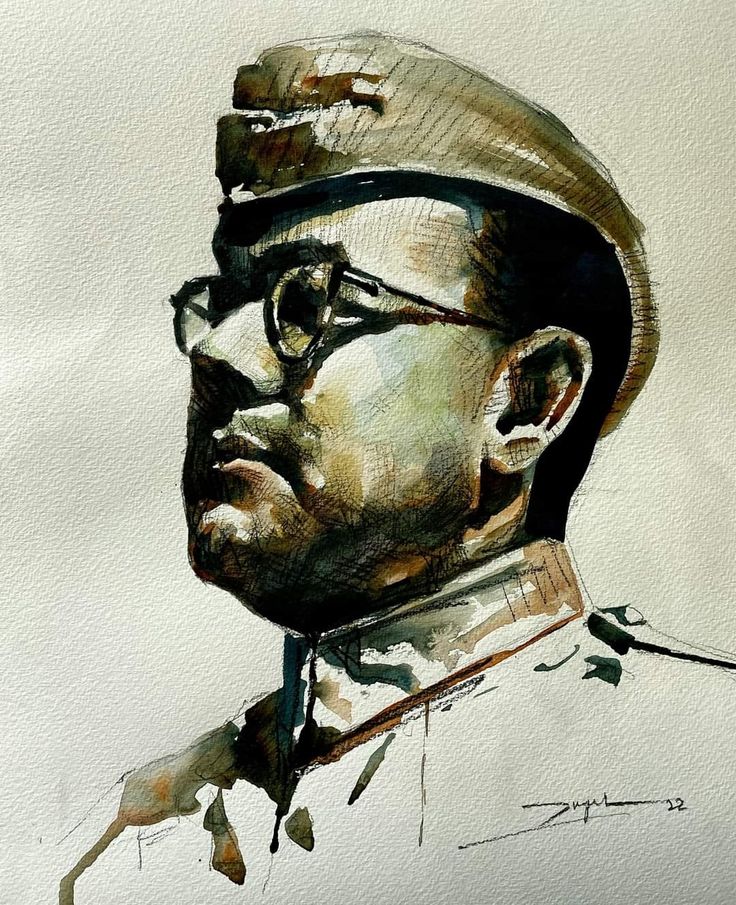
Emotional Legacy:
- INA veterans were honored, though not formally absorbed into the Indian Army.
- Bose’s speeches and slogans became part of school curricula and public discourse.
- His name became synonymous with sacrifice, speed, and sovereignty.
“Netaji did not live to see freedom—but freedom lives because of Netaji.”
— Anonymous INA veteran
His legacy was not just political—it was psychological. He became a symbol of what India could be if it dared more, moved faster, and believed deeper.
🛡️ II. Military Ethos — From INA to Indian Armed Forces
Though the INA was disbanded after the war, its impact on India’s military psyche was profound.
Key Influences:
- Martial nationalism: Bose’s emphasis on discipline, courage, and unity influenced post-independence military culture.
- Women in combat: The Rani of Jhansi Regiment inspired future inclusion of women in defense services.
- Veteran respect: INA soldiers were honored in public ceremonies, and their stories became part of military folklore.
In 2022, the Indian government renamed the Andaman and Nicobar Command headquarters to Netaji Subhas Chandra Bose Island, honoring his 1943 visit and symbolic hoisting of the tricolor.
“The INA may have lost battles—but it won hearts and rewrote India’s military imagination.”
— Defence historian Shiv Kunal Verma
🏛️ III. Political Symbolism — Across Parties and Generations
Netaji’s legacy has been claimed, celebrated, and debated across India’s political spectrum.
Political Impact:
- Congress: Acknowledged Bose’s role but often emphasized Gandhi’s path.
- Forward Bloc: Founded by Bose in 1939, continued as a leftist party post-independence.
- BJP and other parties: Embraced Bose as a nationalist icon, especially in recent decades.
His image has appeared in election campaigns, public rallies, and parliamentary debates. Yet, Bose remains above party lines—a figure of national unity and uncompromising vision.
“Netaji belongs not to a party—but to the people.”
— Historian Rudrangshu Mukherjee
📚 IV. Educational Legacy — Teaching Courage, Not Just History
Bose’s life is taught in Indian schools not just as biography—but as moral instruction.
Curriculum Highlights:
- His slogans (“Give me blood…”, “Jai Hind”) are memorized by students.
- His escape from Calcutta and INA formation are dramatized in textbooks.
- His ideological clashes with Gandhi are presented as healthy dissent, teaching students to think critically.
In universities, Bose is studied in political science, military history, and international relations. His writings—The Indian Struggle, Azad Hind Radio broadcasts—are analyzed for their rhetorical power and strategic depth.
“Netaji teaches us that patriotism is not passive—it is a choice, a challenge, and a commitment.”
— Professor Priyadarshi Mukherjee, JNU
🎭 V. Cultural Memory — Films, Statues, and Public Tributes
Netaji’s legacy lives in India’s cultural landscape.
Cultural Tributes:
- Films: Netaji Subhas Chandra Bose: The Forgotten Hero (2004) by Shyam Benegal brought his story to the big screen.
- Statues: His statue near India Gate, unveiled in 2022, replaced colonial symbols with nationalist pride.
- Museums: Netaji Bhawan in Kolkata, INA Memorial in Singapore, and Renkōji Temple in Tokyo preserve his memory.
His life is reenacted in school plays, documentaries, and even comic books. His image—arms folded, gaze firm—has become a visual shorthand for courage.
🗣️ VI. Modern Resonance — Netaji in the 21st Century
In today’s India, Netaji’s legacy is more relevant than ever.
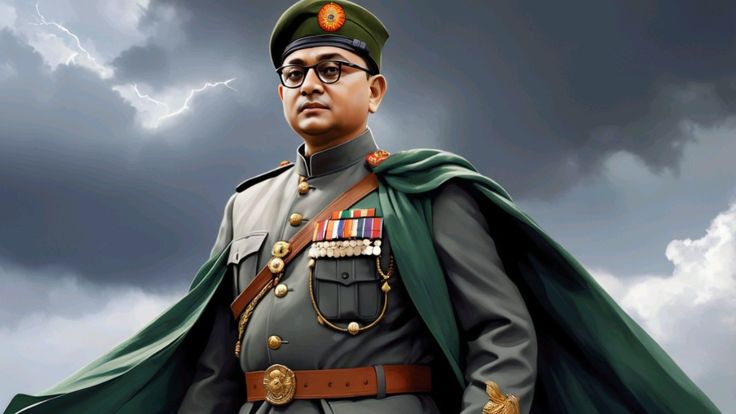
Contemporary Influence:
- Youth movements invoke his slogans during protests and campaigns.
- Defense reforms echo his call for indigenous strength and strategic autonomy.
- Digital tributes—hashtags like #NetajiLivesOn trend every January 23rd (his birth anniversary).
In 2022, the Indian government declassified over 300 Netaji-related files, sparking renewed interest and debate. His vision of a strong, united, and self-reliant India continues to inspire policy, activism, and imagination.
“Netaji is not just a memory—he is a mirror. He shows us who we were, and who we could be.”
— Youth activist, Delhi University
📚 Sources and References
- Gordon, Leonard A. Brothers Against the Raj
- Getz, Marshall J. Subhas Chandra Bose: A Biography
- India Today – Netaji’s Statue at India Gate
- The Hindu – INA and Military Legacy
- JNU Archives – Netaji’s Educational Impact
🔥 The Legacy Is Yours to Carry
Subhas Chandra Bose didn’t just fight for freedom—he redefined it. His courage, clarity, and conviction lit a path that still guides India’s soul. From Elgin Road to Imphal, from Berlin to Tokyo, from memory to movement—Netaji’s journey is now ours to continue.
This is not the end of a story. This is the beginning of a responsibility. Let Netaji’s fire live in your voice, your work, your vision.
🇮🇳 Jai Hind.
HistoryVerse7 proudly salutes the legacy of Netaji Subhas Chandra Bose.
👉 Explore more chapters, tributes, and historical insights at www.historyverse7.com
🔥 Conclusion: Netaji’s Legacy Is Not a Chapter—It’s a Challenge
Subhas Chandra Bose did not die in 1945. He transcended. His disappearance was not an ending—it was a transformation. From the jungles of Burma to the corridors of Berlin, from the INA trenches to the Padang rally in Singapore, Netaji carved a path of fire across history. His legacy is not etched in stone—it’s etched in the Indian conscience.
“Give me blood, and I will give you freedom.”
This was not a slogan. It was a contract. A covenant between leader and nation. Bose didn’t ask for applause—he asked for action. He didn’t seek comfort—he demanded courage.

In post-independence India, Netaji’s vision became a mirror. A mirror that reflects what we were, what we are, and what we must become. His call for Purna Swaraj, his formation of the Azad Hind Government, and his leadership of the Indian National Army (INA) were not just political acts—they were emotional revolutions.
Today, in the age of algorithms and reels, Bose’s legacy still pulses. His words trend. His silhouette inspires. His fire refuses to dim. From school textbooks to military ethos, from political symbolism to cultural memory, Netaji remains India’s most uncompromising patriot.
🔥 The Legacy Is Yours to Carry
Subhas Chandra Bose didn’t just fight for freedom—he redefined it. His courage, clarity, and conviction lit a path that still guides India’s soul. From Elgin Road to Imphal, from Berlin to Tokyo, from memory to movement—Netaji’s journey is now ours to continue.
This is not the end of a story. This is the beginning of a responsibility. Let Netaji’s fire live in your voice, your work, your vision.
🇮🇳 Jai Hind.
HistoryVerse7 proudly salutes the legacy of Netaji Subhas Chandra Bose.
👉 Explore more chapters, tributes, and historical insights at www.historyverse7.com
📘 FAQ: Understanding Subhas Chandra Bose
1. Why did Subhas Chandra Bose choose the battlefield over the ballot box?
Ans: Bose believed that colonialism was not a system to be negotiated with—it was a force to be dismantled. After witnessing the slow pace of constitutional reforms and the British betrayal of promises, he concluded that freedom demanded fire, not files. The ballot box, to him, was a cage with golden bars. The battlefield was the only place where India could roar.
2. What did “Jai Hind” mean to Bose beyond a slogan?
Ans: To Bose, “Jai Hind” was not just a greeting—it was a sacred invocation. It meant “Victory to India,” but also symbolized unity beyond caste, creed, and region. It was the heartbeat of a free nation yet to be born, and he used it to replace colonial salutes with a cry of self-respect.
3. How did Bose view death in the context of revolution?
Ans: Bose saw death not as an end, but as a currency of liberation. In his speeches, he often said, “It is blood alone that can pay the price of freedom.” He believed that martyrdom was not tragedy—it was testimony. Every fallen soldier of the INA was, in his eyes, a verse in India’s unfinished anthem.
4. Why did Bose form the Rani of Jhansi Regiment when no one else dared?
Ans: Because he didn’t see women as symbols—he saw them as soldiers. Bose believed that freedom without female valor was incomplete. The Rani of Jhansi Regiment wasn’t a gesture—it was a revolution in uniform. He once said, “When women march with rifles, empires tremble.”
5. What would Bose say to today’s generation scrolling through his story?
Ans: “Will you carry the fire?”
To Bose, legacy wasn’t about memory—it was about momentum. He’d want every young Indian to not just remember his name, but to live his courage, question with clarity, and serve with spine.
Share this content:

No compromise with colonialism. We demand complete independence—Purna Swaraj.”👍🚩
The Great🚩✨👍🏻